
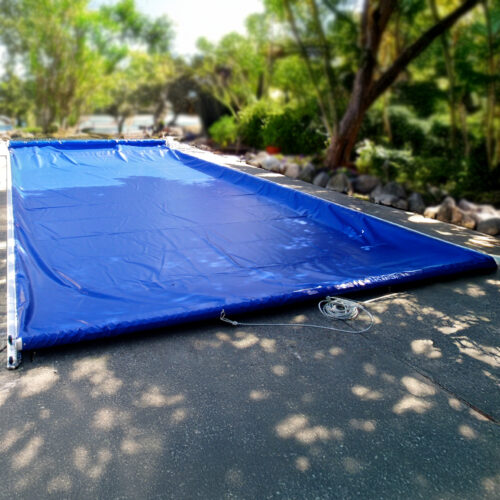
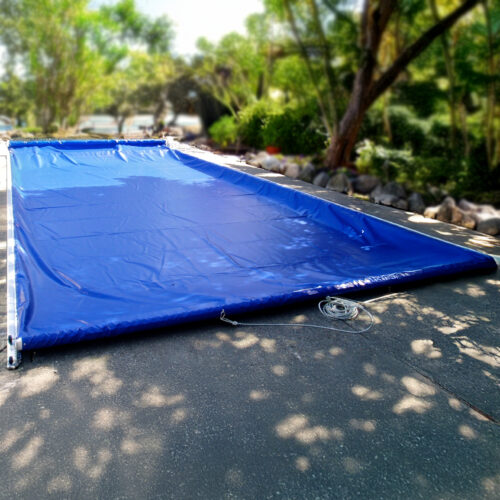


Manual & Automatic Pool Covers
Welcome to Pool Warehouse's comprehensive guide to manual and automatic pool covers. Choosing the right pool cover is essential for maintaining a clean, safe, and energy-efficient pool. Whether you're looking to protect your pool during the off-season, enhance safety around the pool, or simply reduce water evaporation and chemical usage, this guide will help you navigate the options and select the perfect cover for your needs.
At Pool Warehouse, we offer a wide variety of pool covers, ranging from simple manual covers to sophisticated automatic systems. Our experts can help you choose the right cover for your pool's shape, size, and your budget.
What are Manual and Automatic Pool Covers?
Pool covers are protective barriers designed to cover your swimming pool when it's not in use. They serve multiple purposes, including preventing debris from entering the pool, reducing water evaporation, conserving heat, and enhancing safety. The two main categories are manual and automatic covers.
- Manual Pool Covers: These covers require manual effort to install and remove. They are typically more affordable than automatic covers but require more physical labor. Examples include winter covers, solar covers, and safety covers.
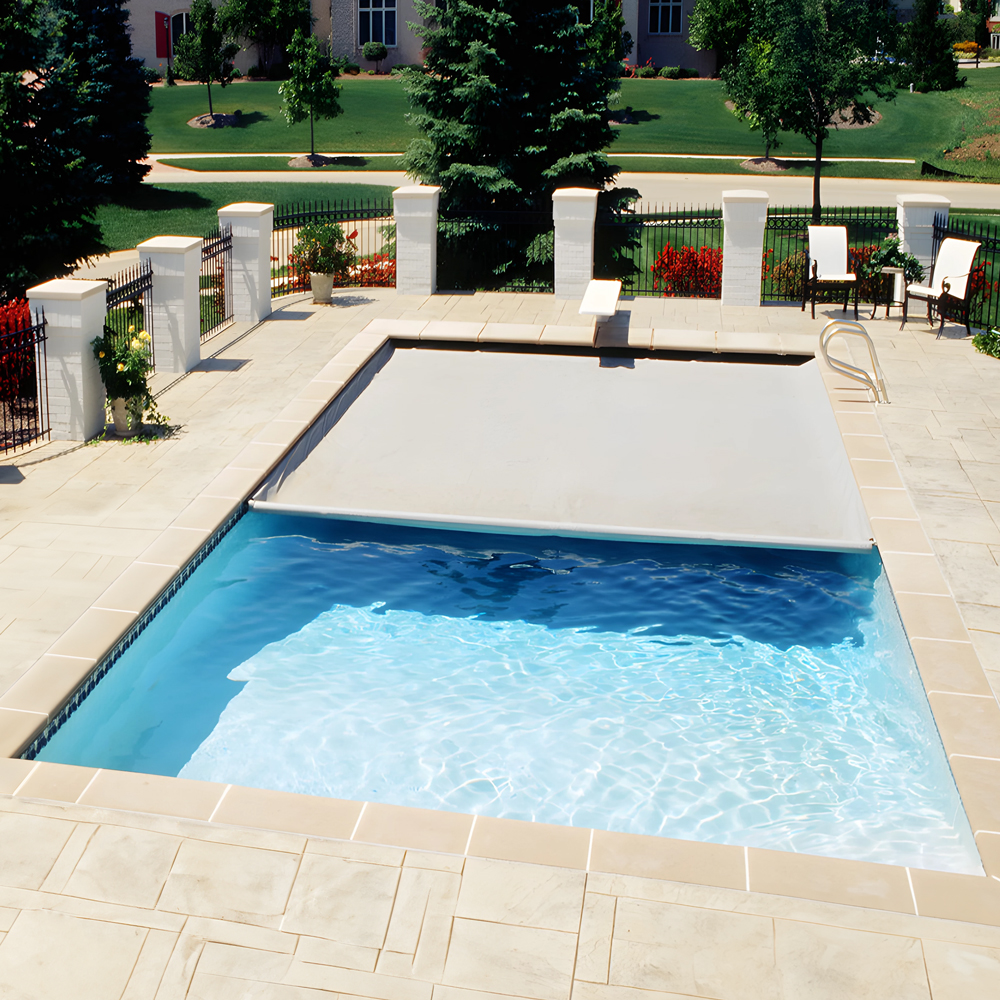
- Automatic Pool Covers: These covers are mechanically operated, usually with the push of a button. They offer convenience and ease of use but come with a higher initial cost.
Benefits of Using a Pool Cover
Investing in a pool cover offers numerous benefits for pool owners:
- Reduced Water Evaporation: Pool covers significantly reduce water loss due to evaporation, saving you money on water bills.
- Energy Conservation: By trapping heat, pool covers can lower heating costs, especially for heated pools. Solar covers can even passively heat your pool water.
- Debris Prevention: Covers keep leaves, dirt, and other debris out of your pool, reducing the need for frequent cleaning and chemical adjustments.
- Enhanced Safety: Safety covers act as a barrier, preventing accidental falls into the pool, especially crucial for families with children or pets.
- Chemical Savings: Less debris and reduced evaporation mean less need for chemical treatments, saving you money on pool chemicals.
- Extended Swimming Season: By retaining heat, pool covers can extend your swimming season in cooler climates.
Types of Manual Pool Covers
Manual pool covers come in various types, each designed for specific purposes:
- Winter Covers: Designed to protect your pool during the off-season. They are typically made of durable polyethylene or vinyl and are secured with water tubes or anchors.
- Solar Covers (Solar Blankets): Made of bubble-like material that traps solar energy, heating the pool water. They also reduce evaporation.
- Safety Covers: Constructed from strong, durable mesh or solid vinyl and anchored to the pool deck. They provide a high level of safety, preventing accidental falls. Mesh safety covers allow water to drain through, while solid safety covers block water and debris.
- Leaf Nets: Lightweight nets that are placed over the pool to catch leaves and debris before they sink to the bottom. They are easy to install and remove.
Types of Automatic Pool Covers
Automatic pool covers offer unparalleled convenience and ease of use:
- Track Systems: The cover slides along tracks installed on the pool deck. They are typically powered by an electric motor and can be opened and closed with the push of a button.
- Under-Track Systems: Similar to track systems, but the tracks are concealed beneath the pool coping, providing a cleaner look.
- Cable Systems: Use cables and a motor to roll the cover on and off the pool.
How to Choose the Right Pool Cover
Selecting the appropriate pool cover depends on several factors:
- Pool Size and Shape: Ensure the cover fits your pool's dimensions perfectly. Custom-made covers are available for oddly shaped pools.
- Purpose: Determine your primary needs – winter protection, safety, heat retention, or debris prevention.
- Budget: Manual covers are generally more affordable than automatic covers. Consider the long-term cost savings in terms of water, energy, and chemical usage.
- Ease of Use: Consider how easy it is to install, remove, and store the cover. Automatic covers offer the greatest convenience.
- Climate: In colder climates, a durable winter cover or safety cover is essential to protect your pool from freezing temperatures and snow. In warmer climates, a solar cover can extend your swimming season.
- Safety Concerns: If safety is a top priority, opt for a safety cover that meets ASTM standards.
Material Durability Comparison
The durability of a pool cover depends on the material it's made from. Here's a comparison of common materials:
- Polyethylene: A common material for winter covers. It's relatively inexpensive and durable, but it can be susceptible to UV degradation over time.
- Vinyl: A more durable option than polyethylene, often used for safety covers. It's resistant to tears and punctures and can withstand heavy loads.
- Mesh: Used in safety covers, mesh allows water to drain through while blocking debris. It's strong and durable, but it doesn't retain heat.
- Polypropylene: Another common material for winter covers, known for its strength and resistance to tearing.
Installation Tips for Manual Pool Covers
Proper installation is crucial for ensuring the effectiveness and longevity of your pool cover:
- Winter Covers: Secure the cover with water tubes or anchors spaced evenly around the perimeter of the pool. Ensure the cover is taut and doesn't sag into the pool.
- Solar Covers: Simply lay the cover on the surface of the water, bubble-side down. Trim any excess material to fit the pool's shape.
- Safety Covers: Follow the manufacturer's instructions carefully. Anchors must be securely installed in the pool deck. A professional installation is often recommended.
Installation and Maintenance of Automatic Pool Covers
Automatic pool cover installation is more complex and typically requires professional installation. Proper maintenance is also crucial for ensuring the cover's longevity.
- Professional Installation: Due to the mechanical complexity, it's highly recommended to have an automatic pool cover installed by a qualified professional. This ensures proper alignment, functionality, and safety.
- Regular Cleaning: Keep the cover clean by removing debris and washing it with a mild soap and water solution. This prevents buildup that can damage the cover and the mechanism.
- Track Maintenance: Regularly inspect and clean the tracks to ensure smooth operation. Remove any debris or obstructions that may hinder the cover's movement.
- Motor Inspection: Have the motor and other mechanical components inspected annually by a qualified technician. This will help identify and address any potential issues before they lead to costly repairs.
- Water Chemistry: Maintaining proper water chemistry can help prevent corrosion and damage to the cover and its components.
Geo-Specific Considerations: Freezing vs. Warm Climates
The ideal pool cover type can vary significantly depending on your geographic location and climate:
- Freezing Climates: In regions with harsh winters and freezing temperatures, a durable winter cover or safety cover is essential. Solid safety covers are preferred to prevent water accumulation and ice formation on the cover, which can damage it. Ensure the cover is properly secured to withstand heavy snow loads.
- Warm Climates: In warmer climates, solar covers are a popular choice for extending the swimming season and reducing evaporation. Mesh safety covers are also suitable, as they allow rainwater to drain through. Regular cleaning is essential to prevent algae growth under the cover.
- Areas with High Winds: If you live in an area prone to high winds, choose a cover with strong anchors or a robust locking mechanism to prevent it from being blown off. Safety covers are generally more wind-resistant than winter covers.
Pool Cover Maintenance Tips
Proper maintenance will extend the life of your pool cover:
- Regular Cleaning: Clean the cover regularly to remove leaves, dirt, and debris. Use a soft brush and mild soap.
- Proper Storage: When not in use, store the cover in a dry, shaded area to prevent UV damage.
- Inspect for Damage: Regularly inspect the cover for tears, punctures, or other damage. Repair any damage promptly to prevent it from worsening.
- Water Chemistry: Maintain proper water chemistry to prevent corrosion and damage to the cover.
Why Choose Pool Warehouse for Your Pool Cover Needs?
At Pool Warehouse, we are committed to providing our customers with high-quality pool covers and exceptional customer service. We offer a wide selection of manual and automatic covers from leading manufacturers, ensuring you find the perfect fit for your pool and budget. Our knowledgeable staff can help you choose the right cover and provide expert installation and maintenance advice.
Browse our selection of pool covers online or visit our showroom today. We are confident you will find the perfect solution for your pool cover needs at Pool Warehouse.