






Pool Filters: The Ultimate Guide to Clean, Clear Water
Welcome to the Pool Warehouse guide to pool filters! Your pool filter is the heart of your pool's circulation system, responsible for removing debris, algae, and other contaminants, keeping your water sparkling clean and healthy for swimming. Without a properly functioning filter, your pool can quickly become a breeding ground for bacteria and algae, requiring more chemicals and maintenance. This comprehensive guide will help you understand the different types of pool filters, how to choose the right one for your pool, and essential maintenance tips to keep it running efficiently.
What is a Pool Filter and Why Do You Need One?
A pool filter is a mechanical device that removes suspended particles from your pool water. As water circulates through your pool, it passes through the filter, which traps dirt, leaves, algae, and other debris. Cleaned water is then returned to the pool. Without a filter, these contaminants would accumulate, making the water cloudy, unhygienic, and potentially harmful.
Think of your pool filter as your pool's immune system. It works continuously to protect your pool and swimmers from harmful bacteria and unsightly debris.
Types of Pool Filters: A Comparison
There are three main types of pool filters, each with its own advantages and disadvantages:
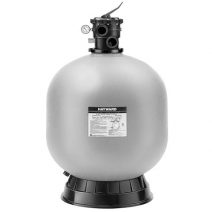
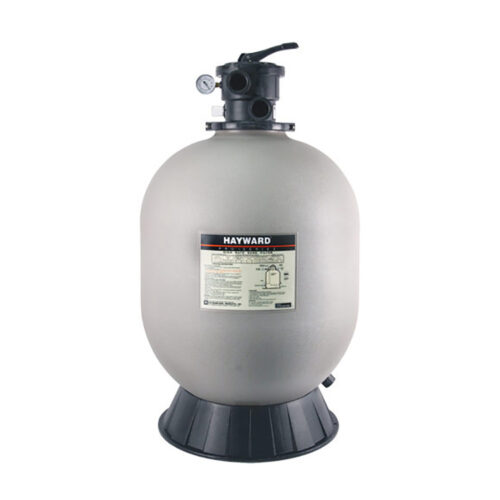
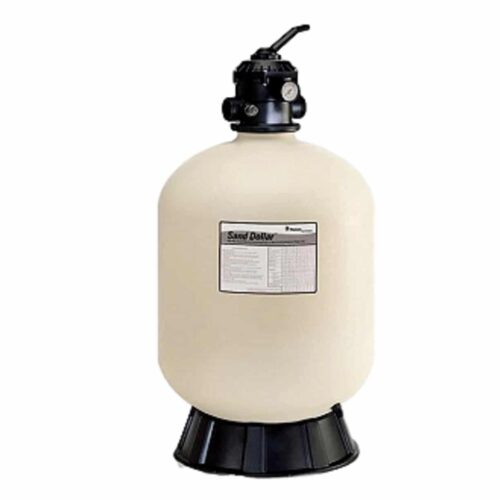
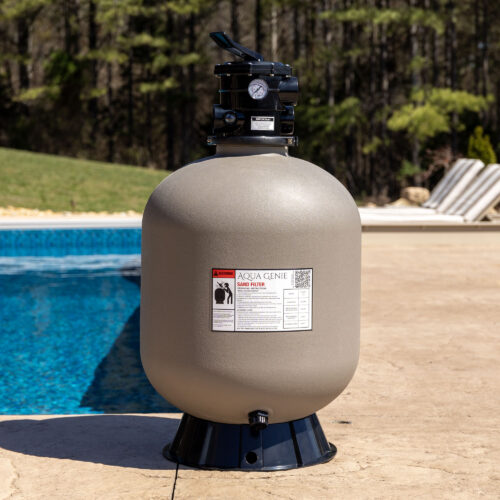
- Sand Filters: These filters use a bed of specialized filter sand to trap debris. Water is forced through the sand, and contaminants are caught in the grains. Sand filters are relatively inexpensive and easy to maintain. They require backwashing (reversing the water flow to flush out the collected debris) periodically.
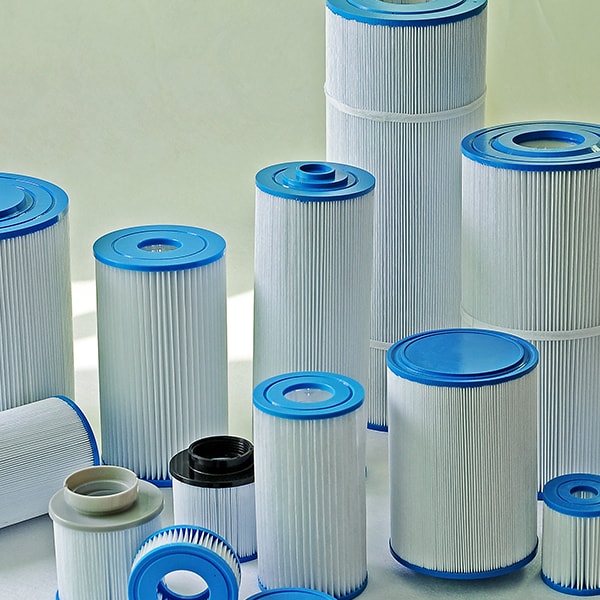
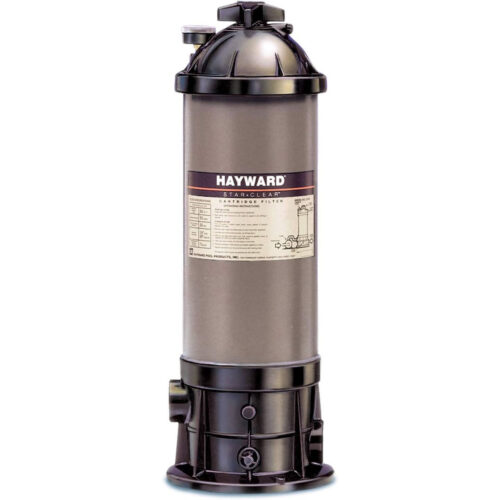
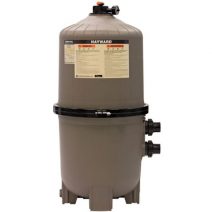
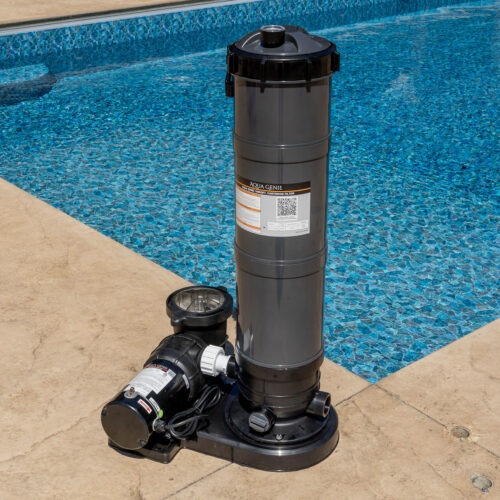
- Cartridge Filters: These filters use a pleated cartridge made of paper or synthetic fabric to capture debris. They offer finer filtration than sand filters and require less frequent backwashing. However, the cartridges need to be cleaned regularly and replaced every 1-3 years, depending on usage and water quality.
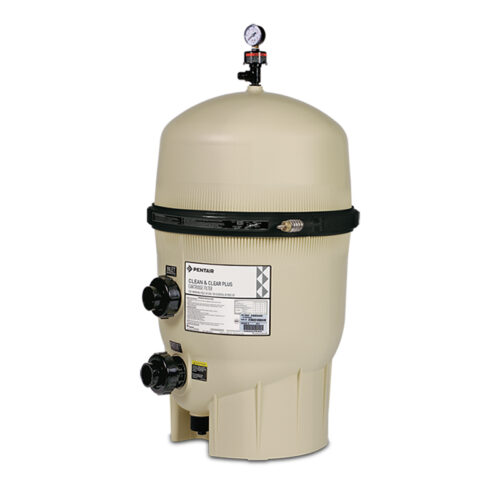
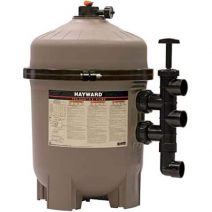
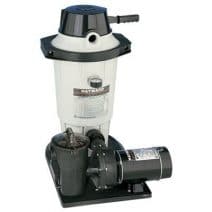
- Diatomaceous Earth (DE) Filters: DE filters use a powder made from fossilized diatoms (microscopic algae) to coat a grid or septum. They offer the finest filtration of all filter types, removing even the smallest particles. DE filters require backwashing and periodic replenishment of the DE powder. They are generally more expensive to purchase and maintain than sand or cartridge filters.
How to Choose the Right Pool Filter for Your Pool
Selecting the right pool filter depends on several factors:
- Pool Size: The filter's flow rate (measured in gallons per minute - GPM) must be appropriate for your pool's volume. A filter that is too small will not effectively clean the water, while a filter that is too large can damage your pool equipment. Consult the manufacturer's recommendations for sizing.
- Pool Usage: A heavily used pool will require a more robust and efficient filter. If you have a lot of swimmers or pets in the pool, consider a DE or cartridge filter for superior filtration.
- Climate: In areas with freezing temperatures, it is crucial to properly winterize your pool filter to prevent damage from ice. Sand filters are generally more resistant to freezing than cartridge or DE filters. In warmer climates, all types of filters can be used, but consider factors like debris load (e.g., lots of leaves from nearby trees).
- Maintenance Preference: Sand filters require less frequent maintenance but backwashing can use a significant amount of water. Cartridge filters need more frequent cleaning, but less water usage. DE filters require the most maintenance, including backwashing and adding DE powder.
- Budget: Sand filters are generally the least expensive, followed by cartridge filters, and then DE filters. Consider the long-term cost of maintenance, including replacement cartridges or DE powder.
Material Durability: A Comparison
Pool filters are typically constructed from various materials, each offering different levels of durability and resistance to chemicals and the elements:
- Plastic (ABS or Polypropylene): Commonly used for filter housings, valves, and other components. Generally durable and resistant to corrosion, but can become brittle over time with prolonged exposure to UV radiation and harsh chemicals.
- Fiberglass Reinforced Plastic (FRP): Stronger and more durable than standard plastic, offering better resistance to UV damage and chemical degradation. Often used for larger filter tanks.
- Stainless Steel: Highly durable and corrosion-resistant, but typically more expensive. Found in some high-end filters and components.
- Filter Media (Sand, Cartridge Material, DE): The durability of the filter media affects the overall lifespan of the filter. High-quality filter sand can last for several years, while cartridge elements may need replacement more frequently.
Consider the climate in your area when evaluating material durability. In areas with harsh winters, choose a filter made from materials that can withstand freezing temperatures and repeated freeze-thaw cycles.
Pool Filter Installation Tips
Proper installation is crucial for the performance and longevity of your pool filter. Here are some essential tips:
- Read the Manufacturer's Instructions: Always follow the manufacturer's instructions for installation and operation.
- Proper Plumbing: Ensure that the plumbing connections are properly sealed to prevent leaks. Use Teflon tape or thread sealant on all threaded connections.
- Level Surface: Place the filter on a level surface to ensure proper operation and prevent stress on the components.
- Bypass Valve (Optional): Consider installing a bypass valve to allow water to circulate without passing through the filter during certain maintenance procedures.
- Professional Installation: If you are not comfortable installing the filter yourself, hire a qualified pool professional.
Maintaining Your Pool Filter for Optimal Performance
Regular maintenance is essential for keeping your pool filter running efficiently and prolonging its lifespan:
- Backwashing (Sand and DE Filters): Backwash the filter when the pressure gauge indicates that it is needed (typically 8-10 PSI above normal operating pressure). Follow the manufacturer's instructions for backwashing.
- Cleaning Cartridge Filters: Remove and clean the cartridge with a garden hose every 2-4 weeks, depending on usage and water quality. Use a cartridge cleaner to remove stubborn debris.
- DE Filter Media Replenishment: Add DE powder after each backwashing, as per the manufacturer's instructions.
- Inspect O-Rings and Seals: Regularly inspect O-rings and seals for wear and tear, and replace them as needed.
- Winterization: In areas with freezing temperatures, properly winterize your pool filter to prevent damage from ice. Drain the filter completely and remove any internal components that may be susceptible to freezing.
Troubleshooting Common Pool Filter Problems
Here are some common pool filter problems and how to troubleshoot them:
- Cloudy Water: Could be caused by a dirty filter, improper water chemistry, or a malfunctioning pump. Clean or backwash the filter, balance the water chemistry, and inspect the pump.
- Low Water Flow: Could be caused by a clogged filter, a blocked impeller, or a leak in the plumbing. Clean the filter, clear any obstructions from the impeller, and repair any leaks.
- High Pressure: Could be caused by a dirty filter or a clogged impeller. Clean or backwash the filter and inspect the impeller.
- Filter Leaks: Could be caused by damaged O-rings or seals, loose connections, or a cracked filter housing. Replace the O-rings or seals, tighten the connections, and repair or replace the filter housing.
Pool Warehouse is your trusted source for all your pool filter needs. Browse our extensive selection of sand, cartridge, and DE filters from top brands. Our knowledgeable team is here to help you choose the right filter for your pool and provide expert advice on installation and maintenance. Shop with confidence and enjoy crystal-clear water all season long!

