






Pool Chemicals & Water Test Kits: Your Ultimate Guide from Pool Warehouse
Maintaining a sparkling, healthy pool requires a balanced chemical environment. At Pool Warehouse, we offer a comprehensive selection of pool chemicals and water test kits to keep your pool water clean, safe, and enjoyable all season long. This guide will help you navigate the world of pool chemistry and choose the right products for your needs.
Whether you're a seasoned pool owner or just starting out, understanding the basics of water chemistry is crucial for preventing problems like algae blooms, cloudy water, and skin irritation. Let's dive in!
What are Pool Chemicals and Why are They Important?
Pool chemicals are substances added to pool water to maintain its cleanliness, clarity, and safety for swimmers. They primarily work to sanitize the water (killing bacteria and algae), balance the pH levels, and prevent scaling or corrosion. Without proper chemical balance, your pool can become a breeding ground for harmful microorganisms, damage your pool equipment, and create an unpleasant swimming experience.
- Sanitizers: Kill bacteria and algae. Examples include chlorine, bromine, and salt chlorine generators.
- pH Balancers: Maintain the correct pH level (typically between 7.2 and 7.8) for swimmer comfort and chemical effectiveness.
- Alkalinity Increasers/Decreasers: Affects pH stability; essential for buffering pH changes.
- Calcium Hardness Increasers: Prevents etching and corrosion of pool surfaces, especially important in colder climates with potentially corrosive water.
- Algaecides: Prevent and control algae growth.
- Clarifiers: Help clump together small particles in the water, making them easier to filter out.
- Shock Treatments: Quickly oxidize organic contaminants and restore water clarity.
Choosing the Right Pool Sanitizer: Chlorine, Bromine, or Salt?
The choice of sanitizer depends on your personal preference and pool type.
- Chlorine: The most common and cost-effective option. Available in various forms (tablets, granules, liquid). Effective but can have a strong odor and may cause skin irritation for some. In warmer climates, chlorine consumption can be higher due to increased sunlight and water temperature.
- Bromine: A good alternative to chlorine, especially for indoor pools or spas. Less irritating to the skin and eyes and more stable at higher temperatures. More expensive than chlorine.
- Salt Chlorine Generators: Convert salt into chlorine through electrolysis. Provides a consistent and gentler chlorine level. Requires a higher initial investment but can save money in the long run. In freezing climates, proper winterization is crucial to protect the generator from damage.
Understanding pH, Alkalinity, and Calcium Hardness
These three factors are interconnected and crucial for maintaining balanced water chemistry. Proper levels ensure swimmer comfort, prevent equipment damage, and maximize the effectiveness of your sanitizer.
- pH: Measures the acidity or alkalinity of the water. A low pH (acidic) can corrode pool equipment and irritate skin. A high pH (alkaline) can lead to scaling and cloudy water. Aim for a pH between 7.2 and 7.8.
- Alkalinity: Acts as a buffer to prevent drastic pH swings. Ideal alkalinity range is typically between 80 and 120 ppm.
- Calcium Hardness: Refers to the amount of calcium dissolved in the water. Low calcium hardness can lead to corrosive water, while high calcium hardness can cause scaling. Recommended range is between 200 and 400 ppm. Especially important to monitor in areas with "hard" water naturally.
Water Test Kits: Ensuring Accuracy and Convenience
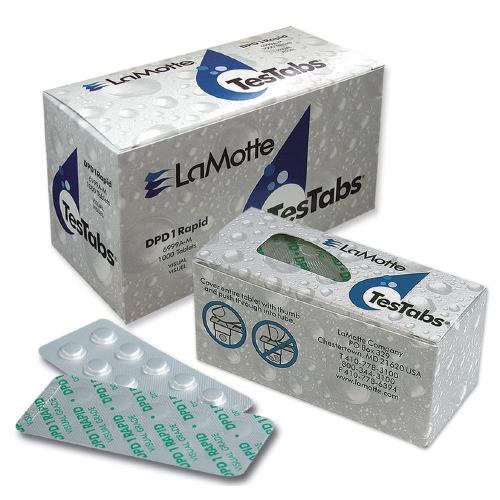
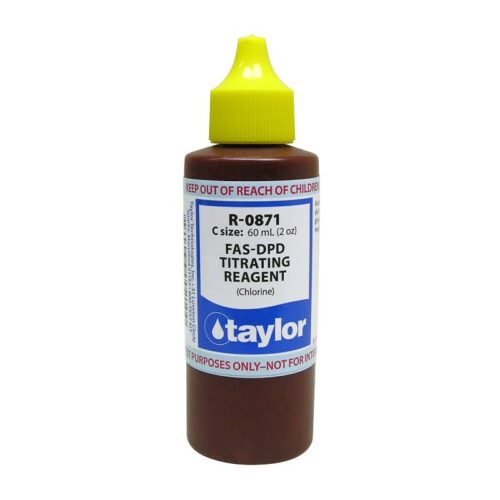
Regular water testing is essential for maintaining balanced water chemistry. There are several types of test kits available:
- Liquid Test Kits: More accurate than test strips, but require more time and effort. Involves adding reagents to a water sample and comparing the color to a chart.
- Test Strips: Quick and easy to use, but less accurate than liquid test kits. Dip a strip into the water and compare the color to a chart. Useful for quick checks but not for precise adjustments.
- Digital Test Kits: Offer the most accurate results and can be programmed for specific pool parameters. Can be more expensive than other options.
Consider the frequency of testing needed based on the climate and pool usage. High bather load, heavy rainfall, and extreme temperatures necessitate more frequent testing and chemical adjustments.
Algaecides and Clarifiers: Preventing and Treating Common Pool Problems
Even with proper sanitization, algae can still appear. Algaecides help prevent and control algae growth, especially in warmer climates. Clarifiers help remove small particles that can cloud the water.
- Algaecides: Available in various formulations (copper-based, quaternary ammonium-based, polyquats). Choose an algaecide that is compatible with your sanitizer and pool type.
- Clarifiers: Help clump together small particles, making them easier for the filter to remove. Use when the water appears cloudy despite proper sanitization.
Shock Treatment: Restoring Water Clarity and Eliminating Contaminants
Shocking your pool involves adding a large dose of sanitizer to quickly oxidize organic contaminants and restore water clarity. This is especially important after heavy pool use, rainfall, or algae outbreaks.
- Calcium Hypochlorite (Cal-Hypo): A strong and effective shock, but can raise calcium hardness levels.
- Dichlor: A stabilized shock that is less likely to affect calcium hardness.
- Non-Chlorine Shock (Potassium Monopersulfate): Oxidizes contaminants without adding chlorine. Good for people sensitive to chlorine.
Chemical Storage and Safety: Protecting Yourself and Your Pool
Always store pool chemicals in a cool, dry, and well-ventilated area, away from direct sunlight and children. Never mix different chemicals together, as this can create dangerous reactions. Always follow the manufacturer's instructions for proper handling and dosage.
Consider using chemical feeders or automated systems to maintain consistent chemical levels and reduce the risk of over- or under-dosing. These systems are particularly beneficial in regions with fluctuating weather patterns that demand frequent chemical adjustments.
Geo-Specific Considerations: Chemicals in Freezing vs. Warm Climates
Your geographic location significantly impacts your pool chemical needs.
- Freezing Climates: Winterizing your pool properly is essential. This includes draining the pool partially or fully, adding winterizing chemicals to prevent algae growth and scaling, and protecting your equipment from freezing. Pay special attention to calcium hardness levels; corrosive water in winter can damage pool surfaces.
- Warm Climates: High temperatures and intense sunlight can increase chlorine demand, leading to more frequent chemical additions. Algae growth is also more common in warm climates, so preventive algaecide treatments are recommended. Stabilized chlorine products (like tablets) are preferred as they are less susceptible to degradation from sunlight.
Chemical Container Durability: HDPE vs. Other Plastics
While the chemical composition is most important, the container also plays a role. Most pool chemicals are packaged in High-Density Polyethylene (HDPE) containers due to its chemical resistance and durability.
- HDPE (High-Density Polyethylene): Excellent chemical resistance, impact strength, and temperature tolerance. The most common and reliable material for pool chemical containers.
- Other Plastics (e.g., PVC, PET): May not offer the same level of chemical resistance and can degrade over time, especially when exposed to sunlight or extreme temperatures. Always check the container label to ensure it is compatible with the chemical it contains.
By understanding the fundamentals of pool chemistry and choosing the right products from Pool Warehouse, you can enjoy a clean, safe, and inviting swimming pool all season long. If you have any questions, please don't hesitate to contact our expert team for assistance.

