



Above Ground Pool Replacement Parts
Welcome to the Above Ground Pool Replacement Parts category at Pool Warehouse! Maintaining your above ground pool requires regular upkeep and occasional part replacements. This guide will help you navigate the world of above ground pool parts, ensuring you find the perfect fit and keep your pool sparkling all season long.
Whether you're dealing with a leaky liner, a failing pump, or damaged top rails, we have the parts you need to get your pool back in top shape. We offer a wide selection of high-quality replacement parts for all major brands and models.
This guide covers everything from identifying the right part to installation tips and maintenance advice, helping you save time and money.
What Above Ground Pool Replacement Parts Do I Need?
Determining the necessary replacement parts starts with identifying the problem. Is the water cloudy? Is the pump making strange noises? Is the liner torn? Once you know the issue, you can begin to diagnose the specific part needing replacement. Here's a breakdown of common components and their typical issues:
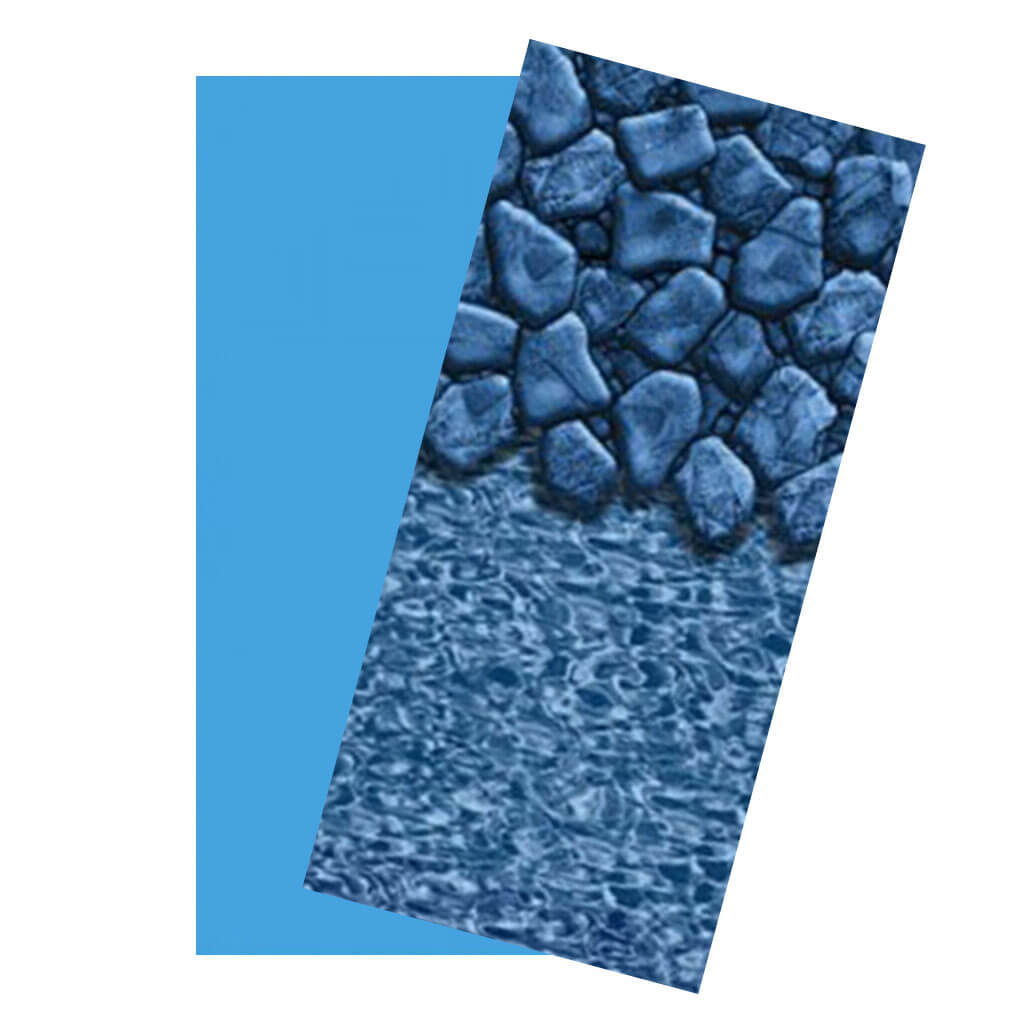
- Liner: Tears, leaks, fading, brittleness. Liners typically need replacement every 5-10 years depending on quality and chemical balance.
- Pump: Reduced flow, unusual noises, leaks, failure to start. Pumps often need replacing every 5-7 years.
- Filter: Ineffective filtering, cracks, leaks. Filter elements (sand, cartridge, DE) need regular cleaning or replacement. The entire filter unit may last 7-10 years.
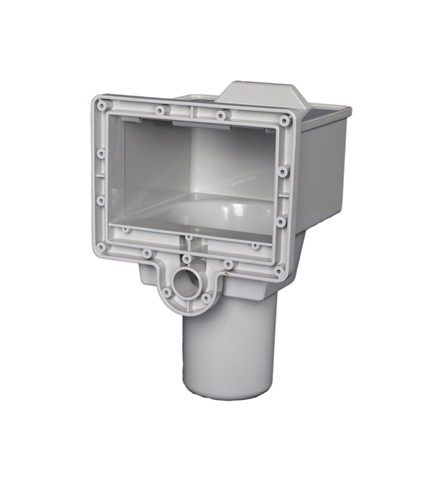
- Skimmer: Cracks, leaks, broken weir door. Skimmers are usually fairly durable but can be damaged by freezing or impact.
- Top Rails & Uprights: Rust, corrosion, bending, breakage. These are critical structural components and should be replaced immediately if damaged.
- Hoses & Clamps: Leaks, cracks, deterioration. These are inexpensive but essential for proper water circulation.
- Ladders & Steps: Broken or cracked steps, rust, instability. Safety is paramount; replace damaged ladders immediately.
Choosing the Right Above Ground Pool Liner
The pool liner is a crucial component. When selecting a replacement liner, consider the following factors:
- Size and Shape: Ensure the liner is the correct size and shape (round, oval, rectangular) for your pool. Measure carefully!
- Material Thickness (Gauge): Thicker liners are more durable and resistant to punctures and tears. Consider a higher gauge if you have pets or expect heavy use. Typically, liners range from 20-30 gauge.
- Overlap vs. Beaded: Overlap liners are draped over the pool wall, while beaded liners attach to a track around the top of the pool wall. Beaded liners offer a more secure and professional look, but require the correct track.
- Pattern and Color: Choose a pattern and color that complements your backyard aesthetic. Darker liners absorb more heat.
- Material Durability:
- Vinyl: The most common material, vinyl is affordable and relatively durable.
- Elastomeric PVC: A more advanced material offering improved tear resistance and UV protection.
Selecting the Correct Above Ground Pool Pump and Filter
The pump and filter work together to keep your pool water clean and clear. When choosing replacements, consider these factors:
- Flow Rate (GPM): The pump's flow rate (gallons per minute) must be compatible with the filter size and pool volume. An undersized pump will result in poor filtration.
- Horsepower (HP): Higher horsepower pumps are more powerful but also consume more energy. Choose a pump with adequate HP for your pool size and filtration needs.
- Filter Type:
- Sand Filters: Require minimal maintenance but offer less precise filtration.
- Cartridge Filters: Provide finer filtration than sand filters but require regular cartridge cleaning or replacement.
- DE Filters: Offer the highest level of filtration but require more frequent maintenance and handling of DE powder.
- Voltage: Ensure the pump and filter are compatible with your electrical system (typically 110V or 220V).
Replacing Top Rails and Uprights: A Structural Necessity
Top rails and uprights provide critical structural support for your above ground pool. Replace them immediately if you notice any signs of damage:
- Material: Look for rails and uprights made from durable materials like coated steel or resin. Resin is more resistant to rust and corrosion, especially in coastal areas or regions with high humidity.
- Compatibility: Ensure the replacement rails and uprights are compatible with your pool's make and model.
- Installation: Follow the manufacturer's instructions carefully. Proper installation is crucial for structural integrity.
Geo-Specific Considerations: Freezing Climates vs. Warm Climates
The climate in your region significantly impacts the lifespan of your pool parts. Here's how to adapt your selection and maintenance based on location:
- Freezing Climates:
- Winterizing: Proper winterizing is essential. This includes draining the pool partially, removing the pump and filter, and using winterizing chemicals.
- Freeze Protection: Consider using freeze-resistant plumbing and components.
- Material Selection: Choose materials that are less susceptible to cracking or damage from freezing and thawing. For example, consider using a thicker gauge liner and opting for resin top rails.
- Warm Climates:
- UV Protection: Choose parts that are UV-resistant to prevent fading and cracking from prolonged sun exposure.
- Chemical Balance: Maintaining proper water chemistry is even more critical in warm climates, as algae and bacteria can thrive.
- Regular Cleaning: Clean your pool and filter more frequently to remove debris and prevent buildup.
Above Ground Pool Part Installation Tips
While some repairs are best left to professionals, many above ground pool part replacements can be done yourself with the right tools and knowledge. Here are some general tips:
- Safety First: Always disconnect power to the pump and filter before performing any maintenance or repairs.
- Read the Instructions: Follow the manufacturer's instructions carefully.
- Use the Right Tools: Have the necessary tools on hand before you begin.
- Ask for Help: If you're unsure about any step, don't hesitate to ask a professional for assistance.
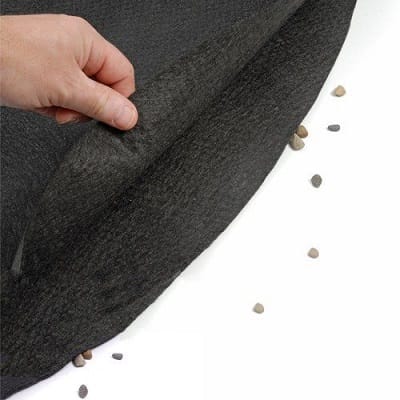
- Liner Installation: Ensure the pool walls are smooth and free of debris before installing a new liner. Use a pool cove to prevent stretching and tearing at the bottom.
- Pump and Filter Installation: Ensure all connections are tight and properly sealed to prevent leaks.
Material Durability Comparison for Pool Parts
The material composition of your pool parts impacts their lifespan and resistance to wear and tear. Here's a quick comparison:
- Steel: Strong and durable, but susceptible to rust and corrosion, especially in humid or coastal environments. Look for coated or treated steel.
- Resin: Resistant to rust and corrosion, lightweight, and durable. A good choice for top rails, uprights, and pump housings.
- PVC: A versatile plastic used for liners, plumbing, and some filter components. Varies in quality and thickness.
- Vinyl: Primarily used for pool liners, vinyl thickness varies. Thicker vinyl provides better puncture resistance.
At Pool Warehouse, we are committed to providing you with the highest quality above ground pool replacement parts and expert advice. Browse our extensive selection today and get your pool ready for summer!

