










Pool Filter Parts - Your Ultimate Guide
Welcome to the Pool Warehouse Pool Filter Parts category! Maintaining a clean and healthy pool starts with a properly functioning filter. This guide will help you navigate the world of pool filter components, ensuring you choose the right parts, understand maintenance needs, and keep your pool sparkling clean.
What is a Pool Filter and Why Are Parts Important?
A pool filter is the heart of your pool's circulation system. It removes debris, dirt, algae, and other contaminants, ensuring crystal-clear water. The filter works by pushing water through a filtration media, such as sand, diatomaceous earth (DE), or a cartridge. Over time, the individual parts of your pool filter can wear down, crack, or become damaged, impacting its performance. Regularly inspecting and replacing worn-out parts is crucial for maintaining efficient filtration and preventing costly repairs.
Types of Pool Filters and Their Common Parts
There are three main types of pool filters, each with its own set of components:
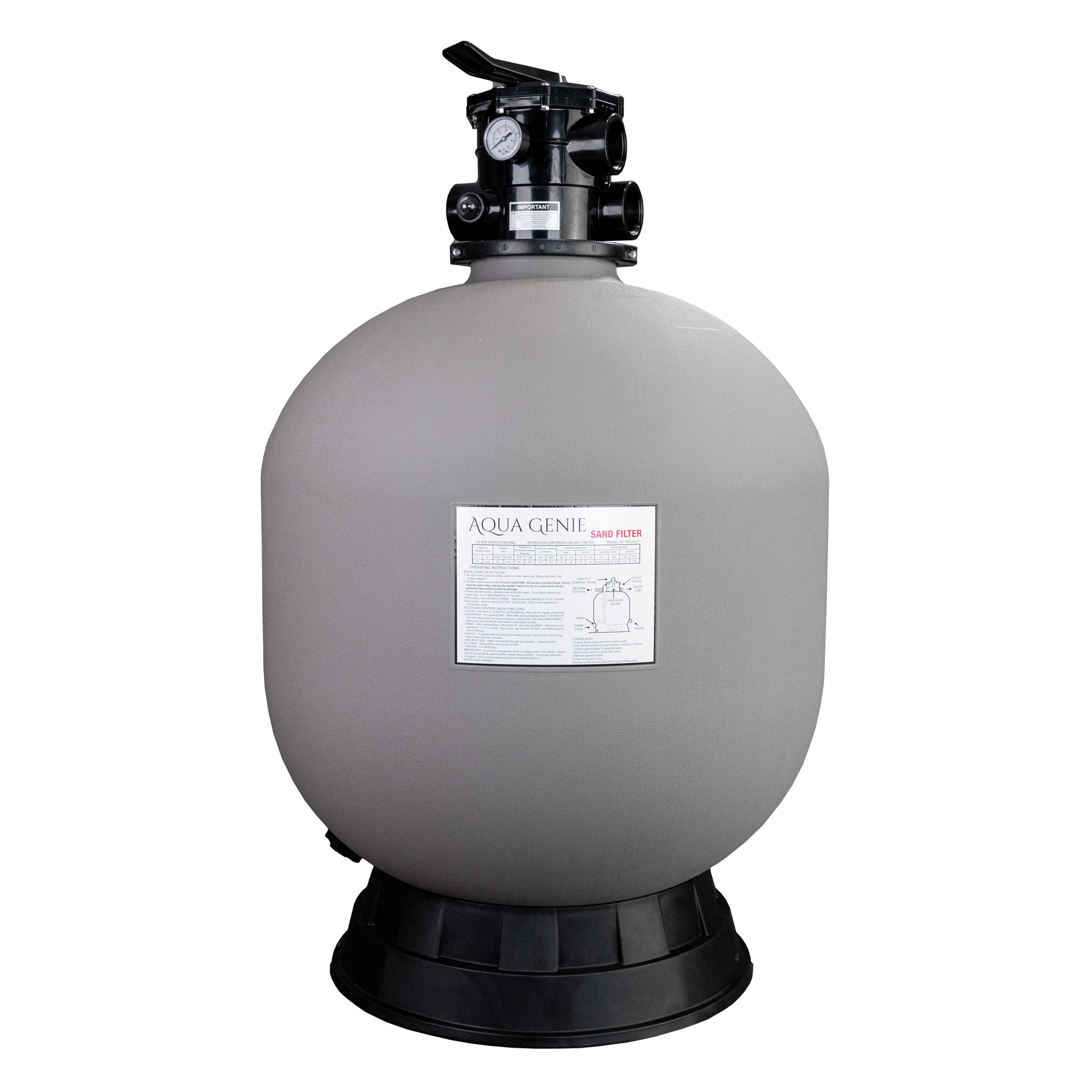
- Sand Filters: These filters use a bed of sand to trap debris. Common parts include:
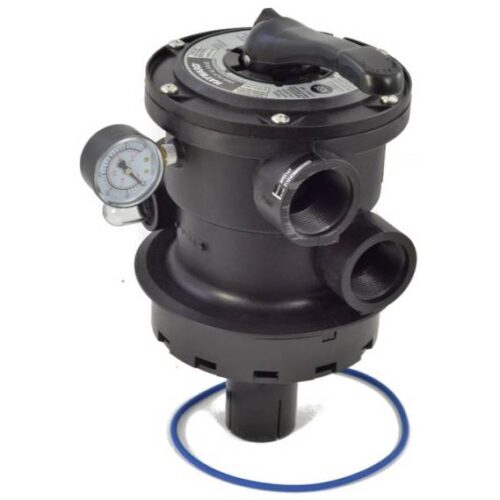
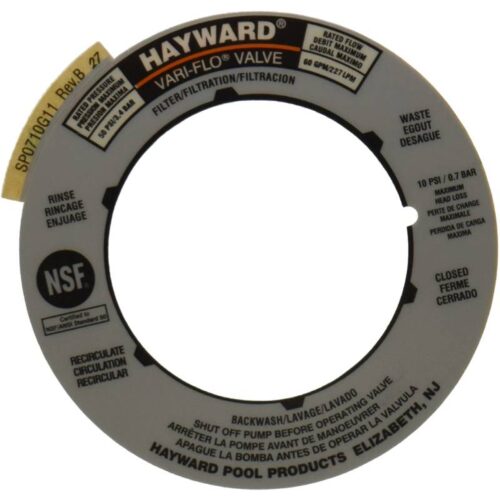
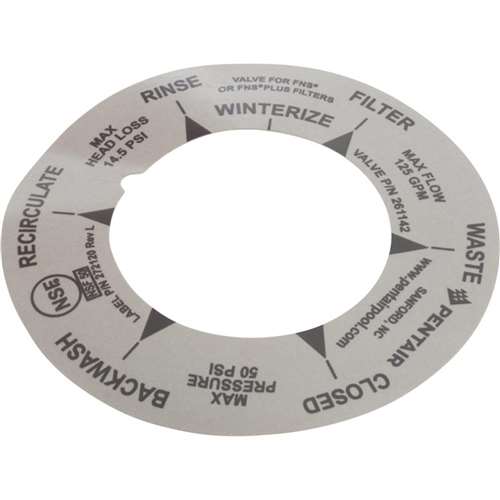
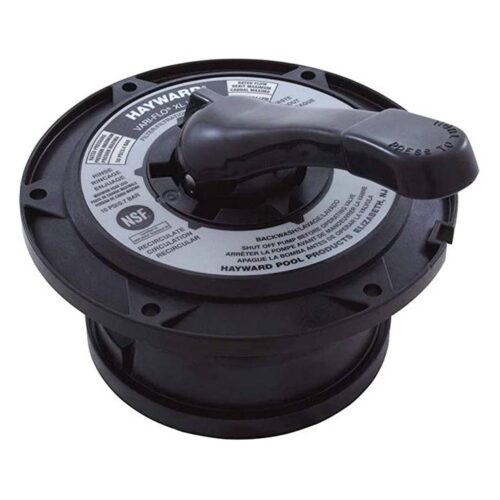
- Multiport Valve (MPV): Controls water flow for filtering, backwashing, rinsing, and more.
- Laterals: Slotted pipes at the bottom of the filter that collect filtered water.
- Standpipe: The central pipe that distributes water evenly over the sand bed.
- Pressure Gauge: Indicates the pressure inside the filter, signaling when backwashing is needed.
- Tank Body: The main housing of the filter, typically made of fiberglass or plastic.
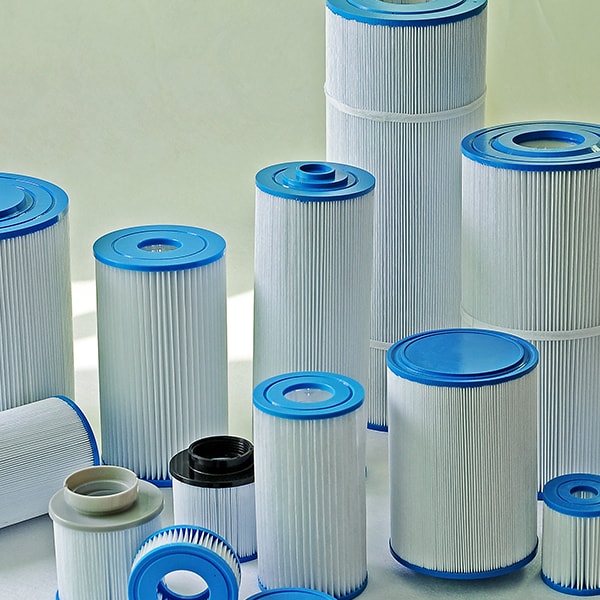
- Cartridge Filters: These filters use a pleated cartridge to trap debris.
- Cartridge Element: The main filter media, which needs regular cleaning and eventual replacement.
- Tank Body: Encloses the cartridge element.
- Pressure Gauge: Monitors the pressure within the filter.
- Air Relief Valve: Releases trapped air from the filter.
- Bands/Straps: Secures the filter housing.
- DE Filters: These filters use diatomaceous earth (DE) powder to coat grids or fingers, providing very fine filtration.
- Filter Grids/Fingers: The DE powder adheres to these, trapping debris.
- Manifold: Collects filtered water from the grids/fingers.
- Tank Body: The main housing of the filter.
- Pressure Gauge: Indicates the pressure inside the filter.
- Bump Handle (if applicable): Used to dislodge DE for backwashing.
How to Choose the Right Pool Filter Parts
Choosing the correct replacement parts is essential for a successful repair. Here's what to consider:
- Identify Your Filter Model: The first step is to find the make and model number of your pool filter. This information is usually found on a label on the filter tank.
- Consult Your Filter Manual: Your filter manual will provide a parts list and diagrams to help you identify the exact part you need.
- Match Part Numbers: When ordering, ensure the part number matches the one specified in your manual or on the existing part.
- Material Matters: Consider the material of the part. For example, replacement laterals might be made of ABS plastic or a more durable polymer. Opt for higher-quality materials for longer lifespan, especially in colder climates where freezing temperatures can cause damage.
- Consider Compatibility: When replacing valves or manifolds, ensure they are compatible with your existing plumbing and filter system.
Common Pool Filter Problems and the Parts Needed
Here are some common filter problems and the parts you might need to fix them:
- Low Water Flow: Could be due to a clogged filter, damaged laterals (sand filters), a dirty cartridge (cartridge filters), or clogged grids (DE filters). You might need replacement laterals, a new cartridge, or replacement grids.
- Cloudy Water: This can be caused by a torn filter grid (DE filters), a damaged cartridge (cartridge filters), or channeling in the sand bed (sand filters). Replacement grids, a new cartridge, or a sand change might be necessary.
- Leaks: Leaks can occur around the multiport valve (sand filters), tank body, or fittings. Replacement o-rings, gaskets, and clamps can often solve these issues.
- High Pressure: Often indicates a clogged filter. Clean the filter (backwash for sand/DE, clean cartridge) or replace the filter media if cleaning doesn't resolve the issue.
- Multiport Valve Issues: Problems with backwashing or other valve functions might indicate a damaged multiport valve. Consider a replacement valve or rebuild kit.
Installation Tips for Pool Filter Parts
Proper installation is crucial for ensuring your filter parts function correctly. Here are a few tips:
- Turn Off the Pump: Always turn off and disconnect the power to your pool pump before working on the filter.
- Release Pressure: Before opening the filter tank, release any pressure by opening the air relief valve or drain plug.
- Clean the Area: Before installing new parts, clean the surrounding area and remove any debris or old sealant.
- Use Teflon Tape or Sealant: Apply Teflon tape or a suitable sealant to threaded connections to prevent leaks.
- Follow Manufacturer's Instructions: Always refer to the manufacturer's instructions for specific installation procedures.
- Consider Professional Help: If you're uncomfortable with any part of the installation process, consider hiring a qualified pool technician.
Maintenance Tips for Prolonging Part Lifespan
Proper maintenance can significantly extend the life of your pool filter parts:
- Regular Backwashing (Sand and DE Filters): Backwash your filter regularly (typically when the pressure gauge reads 8-10 psi above normal) to remove accumulated debris.
- Cartridge Cleaning (Cartridge Filters): Clean your cartridge filter every 2-4 weeks with a garden hose and a filter cleaner. Replace the cartridge annually or as needed.
- DE Powder Replenishment (DE Filters): Replenish the DE powder after each backwashing.
- Winterization: In colder climates, properly winterize your filter by draining all water and protecting it from freezing temperatures. Freezing water can crack the tank and damage internal parts.
- Chemical Balance: Maintain proper pool water chemistry. Imbalances can corrode filter parts over time.
Geo-Specific Considerations for Pool Filter Parts (Freezing vs. Warm Climates)
The climate in your area can significantly impact the lifespan of your pool filter parts:
- Freezing Climates: In regions with freezing temperatures, proper winterization is crucial. Failing to drain the filter completely can lead to cracked tanks, broken laterals, and damaged valves. Consider investing in winterizing plugs and covers to protect your equipment. Material durability is also paramount; choose parts made of freeze-resistant materials.
- Warm Climates: While freezing isn't a concern, prolonged exposure to sunlight and high temperatures can degrade plastic and rubber components. Regular inspection and replacement of o-rings, gaskets, and plastic fittings are important. Consider UV-resistant materials for parts that are directly exposed to sunlight.
Material Durability Comparison
Pool filter parts are often made from various materials. Understanding their durability is key:
- ABS Plastic: A common and affordable material, but can become brittle over time, especially with UV exposure and temperature fluctuations. Suitable for internal parts and less critical components.
- PVC: More durable than ABS, offering better resistance to chemicals and temperature. Commonly used for plumbing connections and some filter housings.
- Fiberglass: Used for filter tanks, offering excellent strength and resistance to corrosion. A good choice for longevity, but can be more expensive.
- Stainless Steel: Used for clamps and some internal components. Highly durable and resistant to corrosion, making it a premium choice.
- EPDM Rubber: Commonly used for o-rings and gaskets. Offers good chemical resistance but can degrade over time. Regular replacement is recommended.
At Pool Warehouse, we offer a wide selection of high-quality pool filter parts to keep your pool water clean and clear. Browse our selection today and enjoy a sparkling pool all season long!

