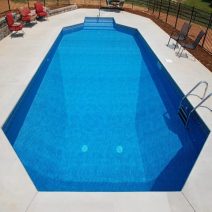
Grecian Inground Pool Kits - Pool Warehouse
Welcome to Pool Warehouse's Grecian Inground Pool Kit category! Here, you'll find everything you need to create a stunning and sophisticated backyard retreat. Grecian pools, characterized by their rectangular shape with clipped corners or angled sides, offer a unique blend of classic elegance and modern design. This guide will walk you through everything you need to know to choose, install, and enjoy your Grecian inground pool kit for years to come.
Whether you're a seasoned DIYer or prefer to leave the installation to professionals, we're here to provide the information and resources you need to make your dream pool a reality. Browse our wide selection, read our expert advice, and get ready to transform your backyard into an oasis.
What is a Grecian Inground Pool Kit?
A Grecian Inground Pool Kit is a comprehensive package containing all the essential components needed to build an inground swimming pool with a Grecian design. This design is defined by its rectangular shape with trimmed corners or angled sides, providing a sleek and stylish aesthetic that fits well in various backyard layouts.
A typical Grecian Inground Pool Kit from Pool Warehouse includes:
- Pool Walls (Steel or Polymer)
- Pool Liner (Vinyl)
- Skimmer
- Return Fittings
- Pump and Filter System
- Plumbing Kit
- Ladder or Steps
- Optional: Lighting, Automatic Cleaner, Salt System
These kits are designed for both DIY enthusiasts and those who prefer professional installation. The kits streamline the building process by providing all necessary components in one package, saving time and reducing the risk of compatibility issues.
Benefits of Choosing a Grecian Style Pool
- Aesthetics: Grecian pools provide a classic, elegant look that complements various architectural styles. Their unique shape adds a touch of sophistication to any backyard.
- Space Efficiency: The rectangular shape maximizes usable swimming space, making it ideal for both recreational swimming and lap exercise. The clipped corners prevent sharp edges, improving safety.
- Versatility: Grecian pools can be customized to fit different backyard sizes and shapes. They can also be easily integrated with landscaping, patios, and other outdoor features.
- Value: Inground pool kits offer a cost-effective way to add a luxurious feature to your home, potentially increasing its property value.
- Easy to Cover: Due to the rectangle based shape, automatic covers are generally easier and cheaper to fit to this shape, compared to freeform or lagoon style pools.
Choosing the Right Grecian Inground Pool Kit: Key Considerations
Selecting the perfect Grecian Inground Pool Kit requires careful consideration of several factors to ensure it meets your needs and preferences.
- Size and Depth: Determine the desired size and depth of your pool based on your available space and intended use. Consider the number of people who will be using the pool and the types of activities you plan to enjoy.
- Material: Pool walls are typically made of steel or polymer. Steel walls are known for their strength and durability, while polymer walls offer corrosion resistance, making them ideal for areas with harsh weather conditions or salty soils.
- Liner Thickness: The thickness of the vinyl liner is crucial for its longevity. Thicker liners are more resistant to punctures and tears.
- Filtration System: Choose a pump and filter system that is appropriately sized for your pool's volume to ensure efficient water circulation and filtration. Sand, cartridge, and DE filters are common options, each with its own advantages and disadvantages.
- Additional Features: Consider adding features such as lighting, automatic cleaners, salt chlorinators, and heating systems to enhance your pool experience.
- Budget: Establish a budget before you begin shopping. Inground pool kits can range in price depending on size, materials, and included features. Remember to factor in installation costs, which can vary depending on whether you choose DIY or professional installation.
Steel vs. Polymer Pool Walls: A Durability Comparison
The choice between steel and polymer pool walls is a critical decision. Both materials offer distinct advantages and disadvantages depending on your specific needs and environmental conditions.
Steel Walls:
- Strength: Steel walls are exceptionally strong and can withstand significant pressure from the surrounding soil.
- Durability: Properly treated steel walls can last for many years, but they are susceptible to rust and corrosion if not maintained properly.
- Cost: Steel wall kits are often more affordable upfront than polymer wall kits.
- Best Suited For: Areas with stable soil conditions and where proper pool maintenance is consistently performed.
Polymer Walls:
- Corrosion Resistance: Polymer walls are completely resistant to rust and corrosion, making them ideal for areas with high humidity, salty soils, or harsh chemicals in the water.
- Longevity: Polymer walls typically have a longer lifespan than steel walls due to their resistance to degradation.
- Maintenance: Polymer walls require less maintenance than steel walls, as they do not need to be treated for rust prevention.
- Cost: Polymer wall kits are generally more expensive than steel wall kits.
- Best Suited For: Areas with harsh environmental conditions, such as coastal regions or areas with acidic soil.
Grecian Pool Kits in Freezing Climates vs. Warm Climates
Climate plays a crucial role in selecting and installing your Grecian inground pool kit. Different climates require different considerations to ensure the longevity and performance of your pool.
Freezing Climates:
- Winterization: Proper winterization is essential to protect your pool from freeze damage. This includes draining the plumbing, adding antifreeze, and covering the pool.
- Wall Material: Choose pool wall materials that can withstand the expansion and contraction caused by freezing and thawing. Polymer walls are generally a better choice in freezing climates due to their superior resistance to cracking and corrosion.
- Plumbing: Use flexible plumbing materials that can accommodate expansion and contraction without breaking.
- Ground Movement: Be aware of the effects of ground freeze and thaw on pool stability. Proper backfilling and compaction are crucial to prevent shifting and cracking.
Warm Climates:
- Sun Exposure: UV exposure can degrade pool liners and other components over time. Choose a liner with UV protection and consider using a pool cover to minimize sun damage.
- Water Temperature: High water temperatures can promote algae growth. Invest in a good filtration system and consider using a salt chlorinator or other sanitization system to keep your water clean and clear.
- Evaporation: Water evaporation is more significant in warm climates. Use a pool cover to reduce evaporation and conserve water.
- Wall Material: Either steel or polymer walls can be suitable for warm climates, but polymer walls offer superior longevity and require less maintenance.
DIY vs. Professional Installation: What's Right for You?
Deciding whether to install your Grecian Inground Pool Kit yourself or hire professionals is a significant decision that depends on your skills, experience, and budget.
DIY Installation:
- Cost Savings: DIY installation can save you a considerable amount of money on labor costs.
- Control: You have complete control over the installation process.
- Learning Experience: DIY installation can be a rewarding learning experience.
- Time Commitment: DIY installation requires a significant time commitment.
- Skill Requirements: DIY installation requires a basic understanding of construction, plumbing, and electrical work.
Professional Installation:
- Expertise: Professional installers have the experience and knowledge to ensure a proper and safe installation.
- Time Savings: Professional installation can be completed much faster than DIY installation.
- Warranty: Professional installers typically offer a warranty on their work.
- Cost: Professional installation can be expensive.
- Less Control: You have less control over the installation process.
Ultimately, the best choice depends on your individual circumstances. If you are comfortable with construction and have the time and skills necessary, DIY installation can be a rewarding and cost-effective option. However, if you lack the experience or prefer to leave the installation to professionals, hiring a reputable installer is the best way to ensure a successful project.
Essential Maintenance Tips for Your Grecian Inground Pool
Proper maintenance is essential to keep your Grecian Inground Pool clean, safe, and enjoyable for years to come.
- Regular Cleaning: Skim the surface of the pool regularly to remove leaves, insects, and other debris. Vacuum the pool floor at least once a week to remove dirt and algae.
- Water Chemistry: Test your pool water regularly and adjust the chemical levels as needed. Maintain proper pH, alkalinity, and sanitizer levels (chlorine or salt).
- Filter Maintenance: Clean or backwash your filter regularly according to the manufacturer's instructions. Replace filter cartridges or media as needed.
- Equipment Inspection: Regularly inspect your pump, filter, and other equipment for leaks or damage. Repair or replace any faulty components promptly.
- Liner Care: Keep your pool liner clean and free of debris. Avoid using abrasive cleaners or brushes that could damage the liner.
- Winterization (if applicable): Properly winterize your pool before the onset of freezing temperatures.
By following these essential maintenance tips, you can keep your Grecian Inground Pool in top condition and enjoy it for many years to come. We at Pool Warehouse are here to help you with any questions or concerns you may have about pool maintenance.
Ready to start building your dream Grecian pool? Browse our selection of Grecian Inground Pool Kits today and find the perfect kit for your backyard oasis!
