
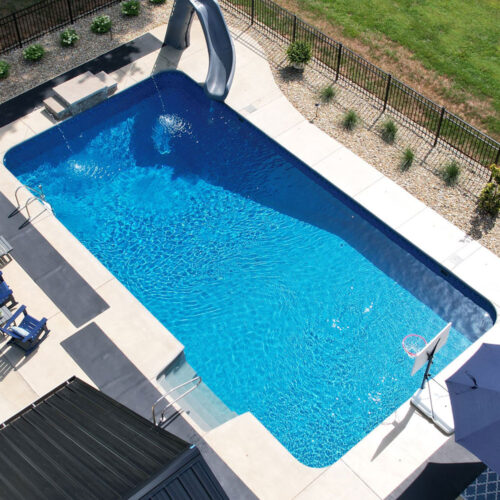


Rectangle Inground Pool Kits - Build Your Dream Backyard Oasis
Welcome to Pool Warehouse's comprehensive guide to rectangle inground pool kits. If you're looking to transform your backyard into a personal paradise, a rectangle inground pool kit is a fantastic option. This guide will provide you with everything you need to know to choose the right kit, understand installation, and maintain your pool for years to come.
At Pool Warehouse, we offer a wide selection of high-quality rectangle inground pool kits designed for easy DIY installation or professional installation. Our kits include everything you need to get started, from the pool walls and liner to the filtration system and plumbing.
What is a Rectangle Inground Pool Kit?
A rectangle inground pool kit is a complete package designed to simplify the process of building an inground swimming pool. Instead of sourcing individual components, the kit provides all the necessary materials, including:
- Pool Walls (Steel or Polymer)
- Vinyl Liner
- Coping (to finish the edge of the pool)
- Skimmer
- Return Fittings
- Plumbing Kit
- Filtration System (Pump and Filter)
- Ladder or Steps (Optional)
- Instruction Manual
Rectangle pools are a popular choice because of their classic shape, efficient use of space, and suitability for swimming laps. They offer a clean, modern aesthetic that complements any backyard design.
Why Choose a Rectangle Inground Pool Kit from Pool Warehouse?
Pool Warehouse is committed to providing our customers with the highest quality pool kits at competitive prices. Here's why you should choose us:
- Extensive Selection: We offer a variety of sizes and materials to suit your specific needs and budget.
- High-Quality Components: Our kits include durable, reliable components from trusted manufacturers.
- Easy Installation: Our comprehensive instruction manuals make DIY installation straightforward.
- Expert Support: Our knowledgeable team is available to answer your questions and provide guidance throughout the installation process.
- Competitive Pricing: We offer competitive pricing and financing options to make your dream pool a reality.
How to Choose the Right Rectangle Inground Pool Kit
Selecting the perfect rectangle inground pool kit involves considering several factors:
- Size: Determine the ideal pool size based on your backyard space, family needs, and desired activities (swimming laps, relaxation, entertaining). Consider local building codes and setback requirements.
- Material: Choose between steel or polymer pool walls. Each material has its own advantages and disadvantages (see below).
- Liner Thickness: Opt for a thicker liner for increased durability and resistance to punctures and tears.
- Filtration System: Select a filtration system that is appropriately sized for your pool volume to ensure clean and clear water.
- Budget: Set a realistic budget that includes the cost of the kit, installation, and ongoing maintenance.
Steel vs. Polymer Pool Walls: Durability and Climate Considerations
The choice between steel and polymer pool walls is a crucial one. Here's a comparison:
Steel Pool Walls:
- Advantages: High strength and durability, relatively lower cost compared to polymer.
- Disadvantages: Susceptible to corrosion in highly acidic soil or areas with high water tables. Requires proper backfilling and sealing to prevent rust.
- Climate Considerations: In regions with freezing temperatures, proper winterization is essential to prevent damage to steel walls from ice expansion. Special coatings can enhance corrosion resistance.
Polymer Pool Walls:
- Advantages: Corrosion-resistant, lightweight, and easy to handle during installation. Offer superior longevity in most environments.
- Disadvantages: Higher initial cost compared to steel. Can be slightly less rigid than steel in some situations.
- Climate Considerations: Polymer walls are virtually unaffected by freezing temperatures or corrosive soil conditions, making them a great choice for any climate.
Consider your local climate and soil conditions when deciding between steel and polymer walls. If you live in an area with acidic soil or high water tables, polymer walls are the better choice. For drier climates with well-drained soil, steel walls can be a cost-effective option.
Inground Pool Kit Installation Tips
Installing an inground pool kit is a significant undertaking, but with careful planning and attention to detail, it can be a rewarding DIY project. Here are some essential installation tips:
- Preparation is Key: Thoroughly research the installation process, review the instruction manual, and gather all necessary tools and equipment before you begin.
- Accurate Excavation: Ensure precise excavation to the correct dimensions and depth. Use a laser level or transit to maintain accuracy.
- Proper Wall Assembly: Carefully assemble the pool walls according to the manufacturer's instructions. Ensure all connections are secure and level.
- Backfilling: Backfill around the pool walls in layers, compacting each layer to prevent settling and wall movement. Use the recommended backfill material (typically sand or gravel).
- Liner Installation: Carefully install the vinyl liner, ensuring it is smooth and wrinkle-free. Use a shop vacuum to create suction and stretch the liner into place.
- Plumbing and Filtration: Connect the plumbing and filtration system according to the instructions. Test for leaks before backfilling completely.
Geo-Specific Considerations: Freezing Climates vs. Warm Climates
Your local climate plays a significant role in how you prepare for and maintain your inground pool.
Freezing Climates:
- Winterization: Proper winterization is crucial to prevent damage from freezing temperatures. This includes draining the pool, blowing out the plumbing lines, and covering the pool with a winter cover.
- Freeze Protection: Consider installing freeze protection devices, such as freeze sensors, to automatically activate the pump and prevent pipes from freezing.
- Wall Material: As mentioned above, steel walls require extra care in freezing climates.
Warm Climates:
- Sun Protection: Prolonged exposure to the sun can damage the liner and other pool components. Consider using a pool cover to protect your pool when not in use.
- Algae Control: Warm water promotes algae growth. Maintain proper water chemistry and use algaecides as needed.
- Evaporation: In hot, dry climates, water evaporation can be significant. Use a pool cover to reduce evaporation and conserve water.
Maintaining Your Rectangle Inground Pool
Regular maintenance is essential to keep your pool clean, healthy, and enjoyable. Key maintenance tasks include:
- Water Chemistry: Regularly test and adjust the water chemistry, including pH, alkalinity, calcium hardness, and sanitizer levels.
- Cleaning: Skim the surface, vacuum the bottom, and brush the walls regularly to remove debris and prevent algae growth.
- Filter Maintenance: Clean or backwash the filter regularly to maintain optimal filtration efficiency.
- Equipment Inspection: Inspect the pump, filter, and other equipment regularly for signs of wear or damage.
- Liner Care: Inspect the liner for tears or punctures and repair them promptly.
By following these guidelines, you can enjoy your rectangle inground pool for many years to come. Browse our selection of rectangle inground pool kits today and start building your dream backyard oasis!

