

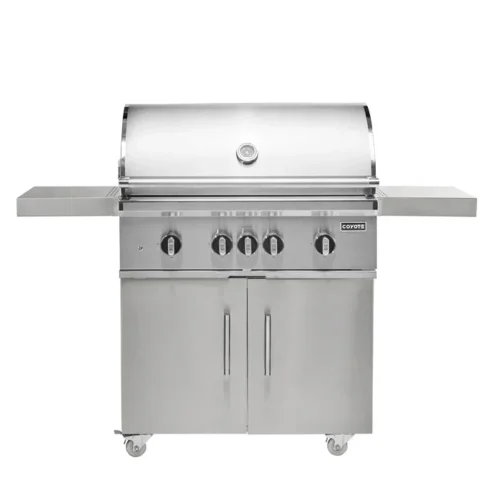
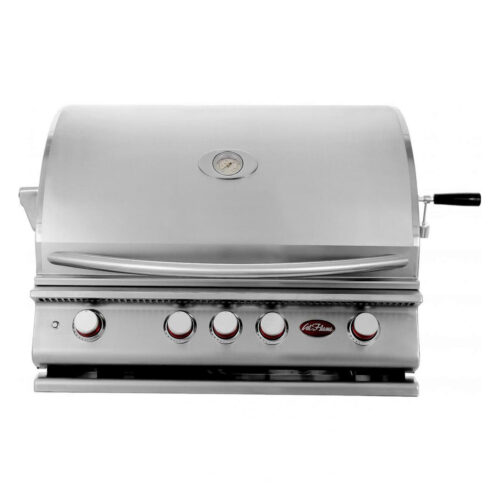
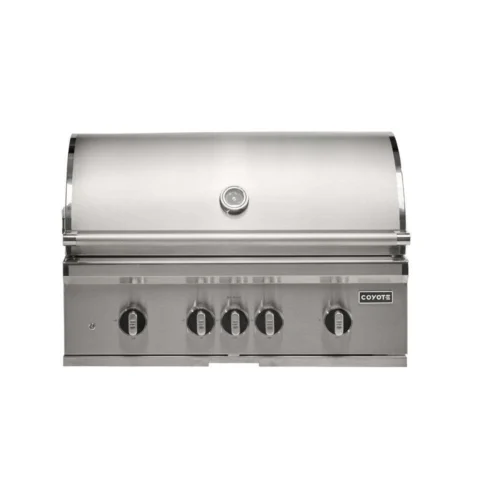
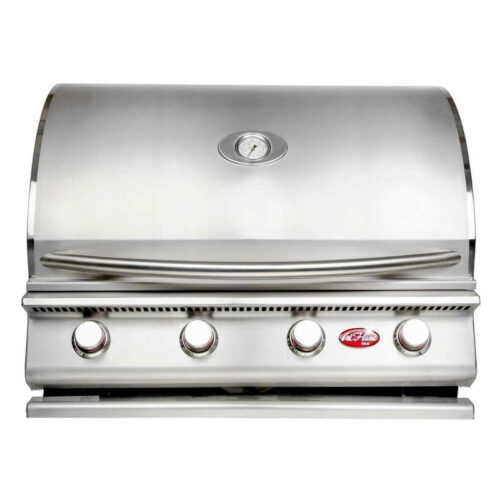





Grills: Elevate Your Poolside Experience at Pool Warehouse
Welcome to the Pool Warehouse grill category, your one-stop shop for transforming your poolside area into an outdoor cooking haven. Whether you're hosting a summer barbecue, a family gathering, or simply enjoying a relaxing day by the pool, the right grill can elevate your experience. We offer a wide range of grills to suit every need and budget. This guide will walk you through everything you need to know to choose the perfect grill for your outdoor space.
Imagine sizzling burgers, grilled vegetables, and delicious kabobs enjoyed poolside with friends and family. With the right grill from Pool Warehouse, that dream can become a reality. Let's dive into the world of outdoor grilling!
What is a Poolside Grill and Why Do You Need One?
A poolside grill is simply a grill designed and positioned for convenient outdoor cooking near your swimming pool. It allows you to prepare meals and snacks without having to constantly run back and forth to your indoor kitchen. This is especially convenient during pool parties, barbecues, or any outdoor gathering where you want to minimize interruptions and maximize time spent enjoying the pool area.
Having a dedicated grill by the pool offers several benefits:
- Convenience: Keep the party going without constantly going inside.
- Socializing: Stay involved in the poolside fun while you cook.
- Reduced Mess: Contain cooking mess outdoors, away from your indoor kitchen.
- Enhanced Entertainment: Create a focal point for outdoor gatherings.
- Increased Home Value: A well-designed outdoor kitchen with a quality grill can increase your property value.
How to Choose the Right Grill for Your Pool Area
Selecting the right grill depends on several factors, including your budget, cooking preferences, available space, and climate. Here's a breakdown of the key considerations:
- Type of Grill: Gas, Charcoal, or Electric?
- Size and Cooking Area: How much food do you typically cook at once?
- Material and Durability: Will the grill withstand the elements?
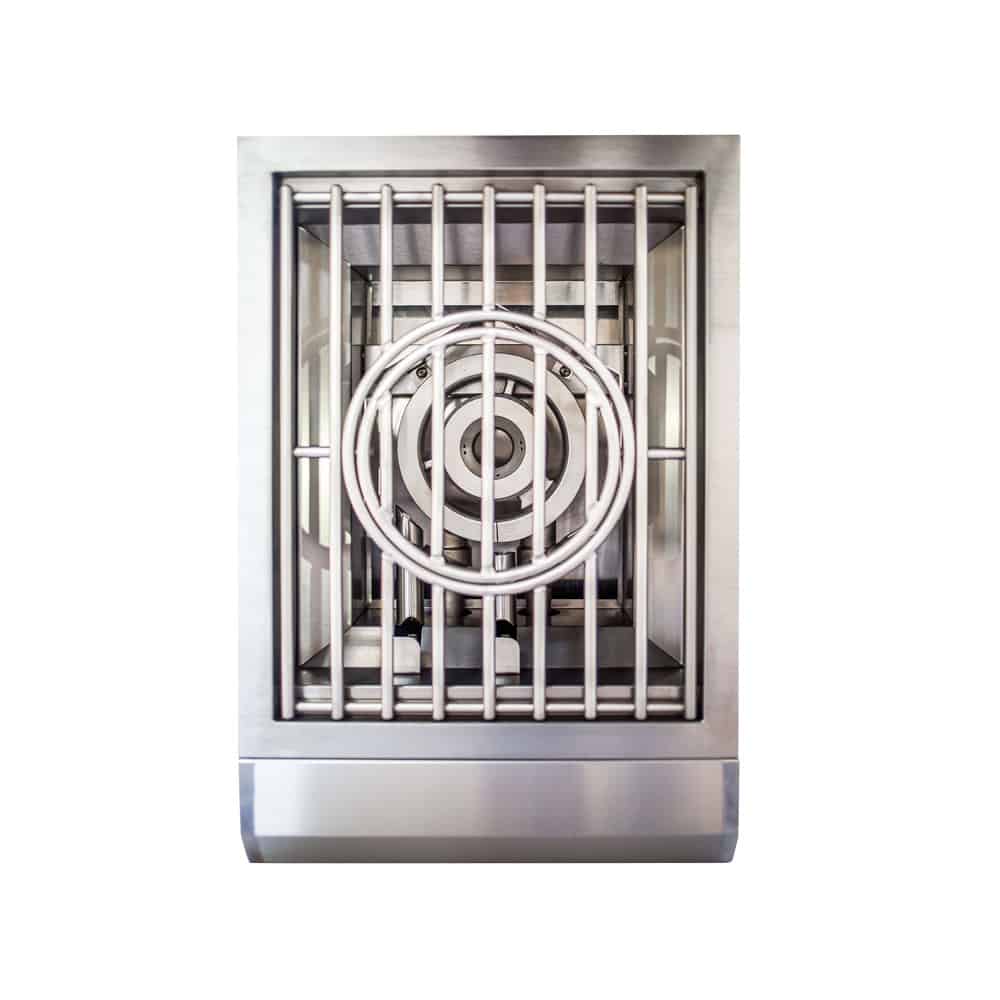
- Features and Accessories: Side burners, rotisserie, smoker box, etc.
- Budget: What is your price range?
Gas Grills: Convenience and Control
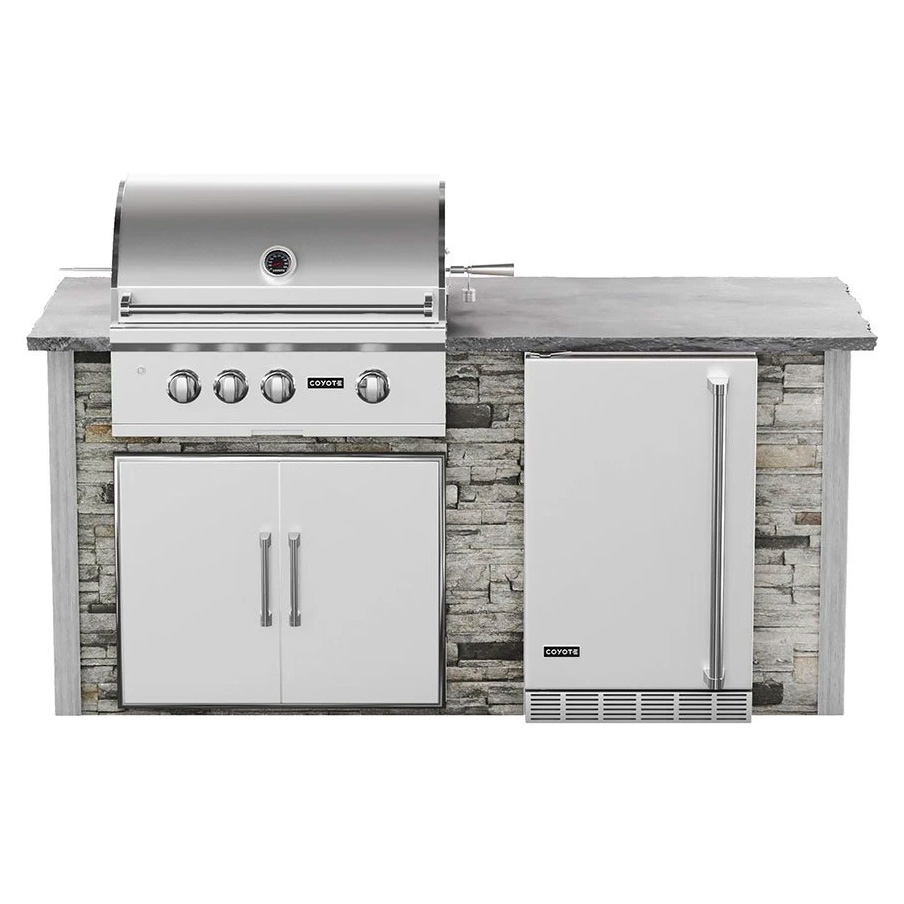
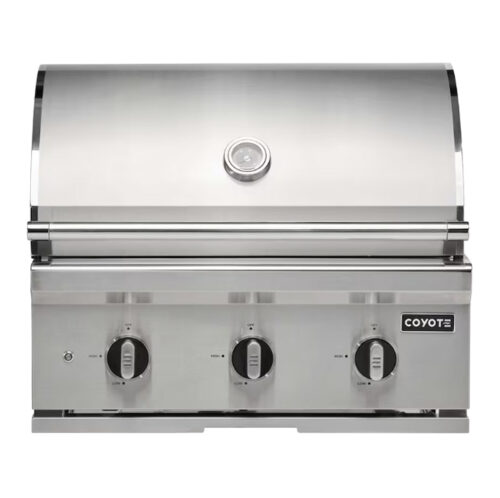
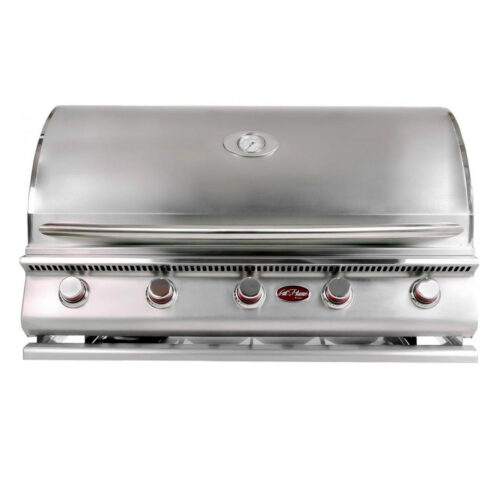
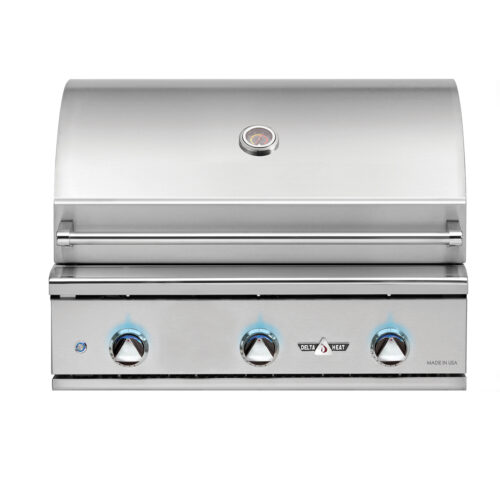
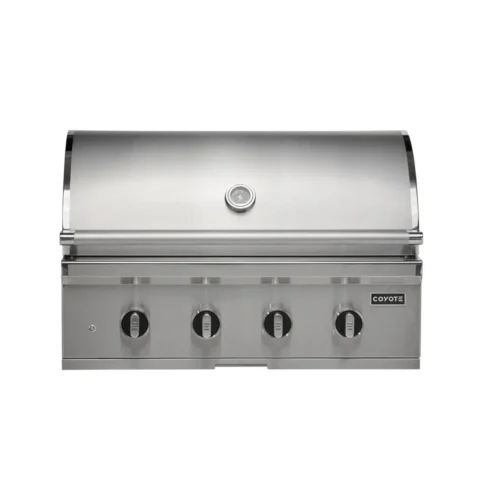
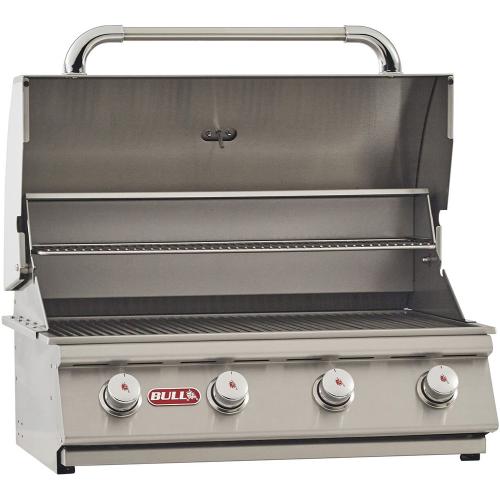
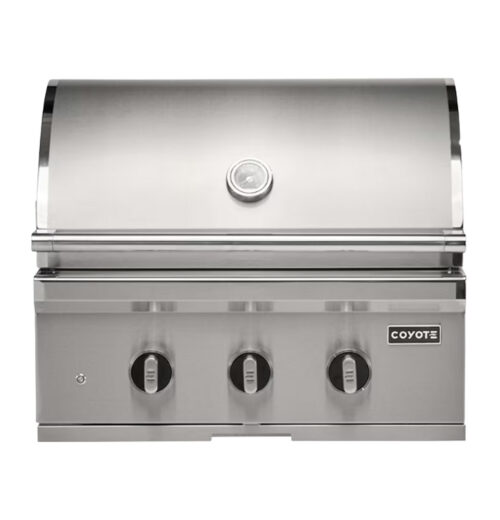
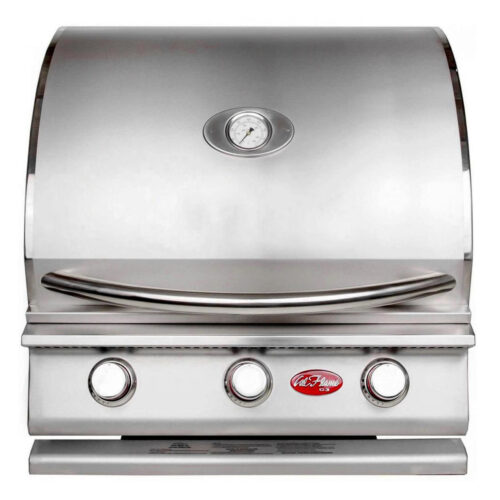
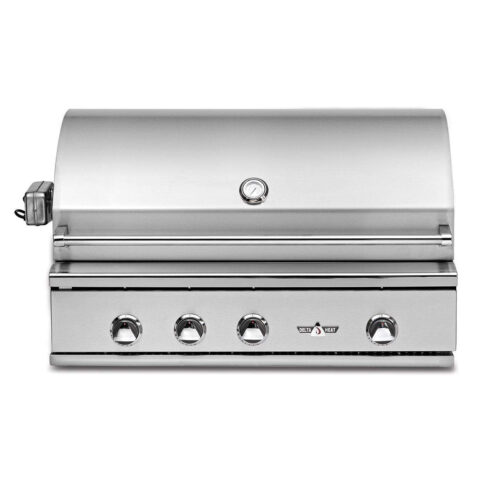
Gas grills are known for their convenience and precise temperature control. They heat up quickly and allow you to easily adjust the flame for different cooking styles. Propane and Natural Gas models available.
Advantages of Gas Grills:
- Fast Preheat: Ready to cook in minutes.
- Precise Temperature Control: Easily adjust the heat for different foods.
- Easy to Clean: Less messy than charcoal grills.
- Convenient Fuel Source: Propane tanks are readily available.
Disadvantages of Gas Grills:
- Higher Initial Cost: Typically more expensive than charcoal grills.
- Less Flavor: Some argue that gas grills don't impart the same smoky flavor as charcoal.
- Requires Fuel Source: Need a propane tank or natural gas line.
Charcoal Grills: Classic Flavor and Versatility
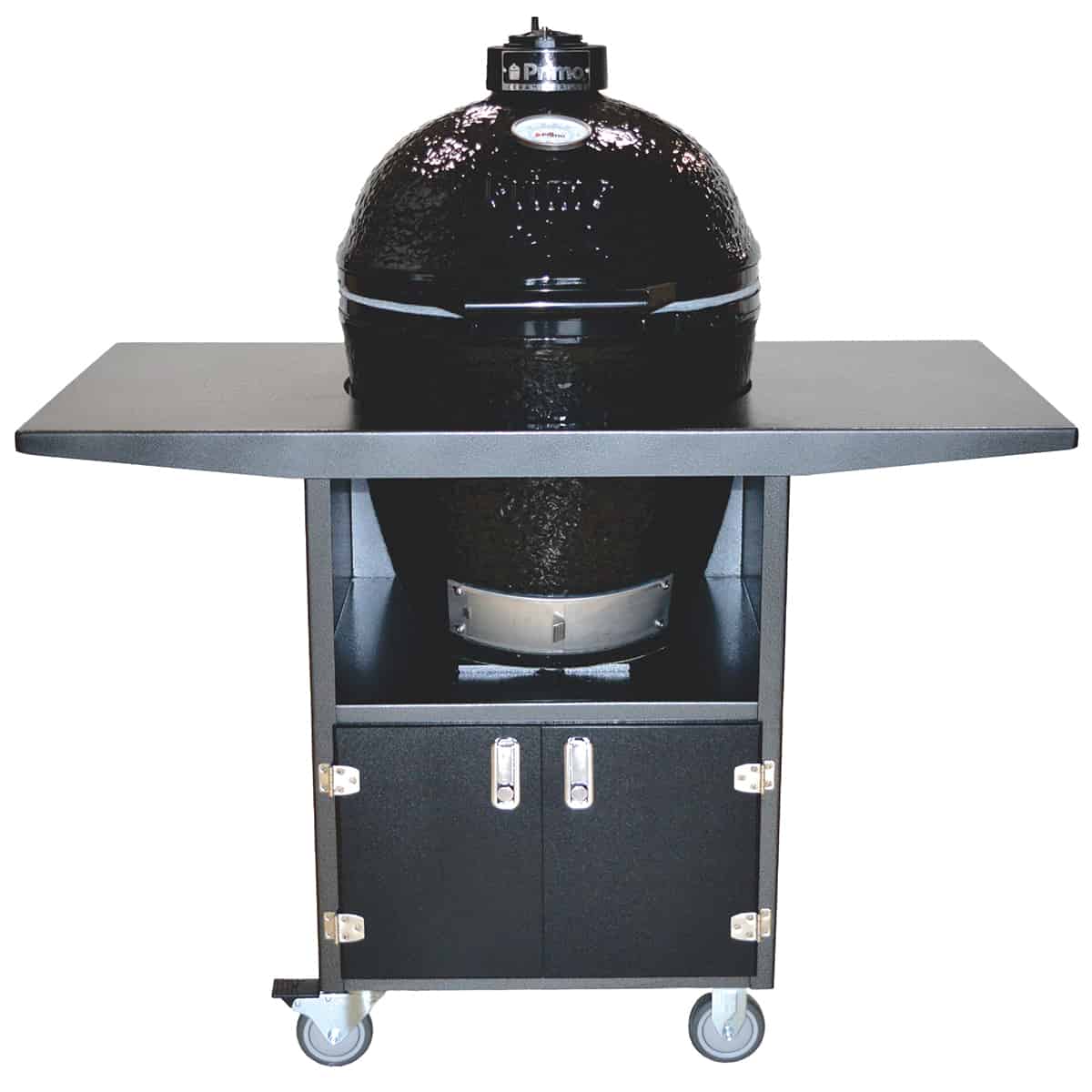
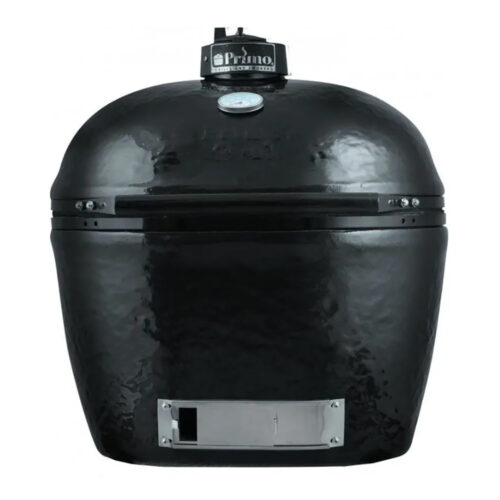
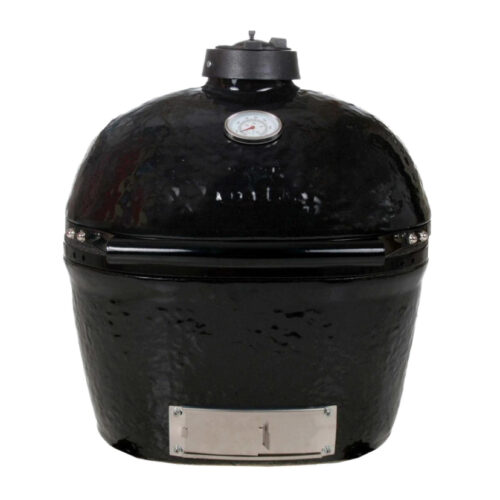
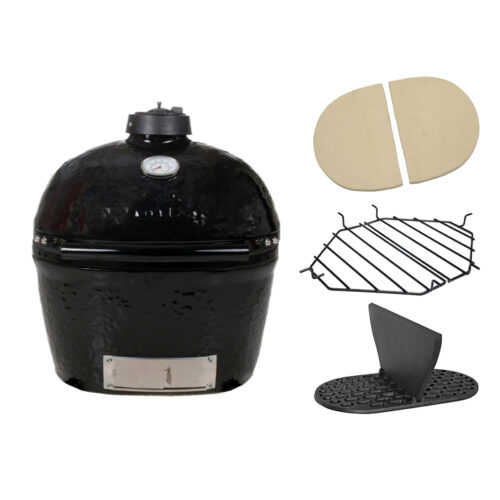
Charcoal grills offer a classic smoky flavor that many grilling enthusiasts prefer. They are available in various styles, including kettle grills, barrel grills, and kamado grills.
Advantages of Charcoal Grills:
- Superior Flavor: Imparts a distinct smoky flavor to food.
- Versatility: Can be used for grilling, smoking, and searing.
- Lower Initial Cost: Generally more affordable than gas grills.
Disadvantages of Charcoal Grills:
- Longer Preheat Time: Takes longer to heat up than gas grills.
- More Difficult Temperature Control: Requires practice to maintain consistent heat.
- Messy: Charcoal ash can be messy to clean up.
- Requires Fuel: You need charcoal and a way to light it.
Electric Grills: Compact and Convenient
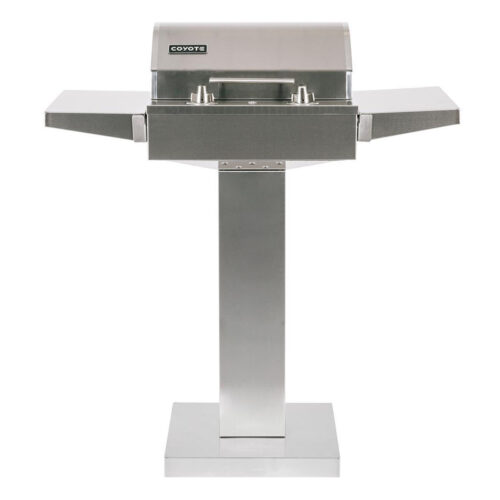
Electric grills are a good option for smaller spaces or areas where gas or charcoal grills are not allowed. They are easy to use and clean, making them ideal for apartment balconies or patios.
Advantages of Electric Grills:
- Compact Size: Perfect for small spaces.
- Easy to Use: Simple plug-and-play operation.
- Easy to Clean: Non-stick surfaces are easy to wipe down.
- No Fuel Required: Just plug it into an electrical outlet.
Disadvantages of Electric Grills:
- Limited Cooking Power: May not get as hot as gas or charcoal grills.
- Less Flavor: Doesn't impart the same smoky flavor as other types of grills.
- Requires Electricity: Needs access to a power outlet.
Material Durability: Choosing a Grill That Lasts
The material of your grill will significantly impact its durability and longevity. Consider these options:
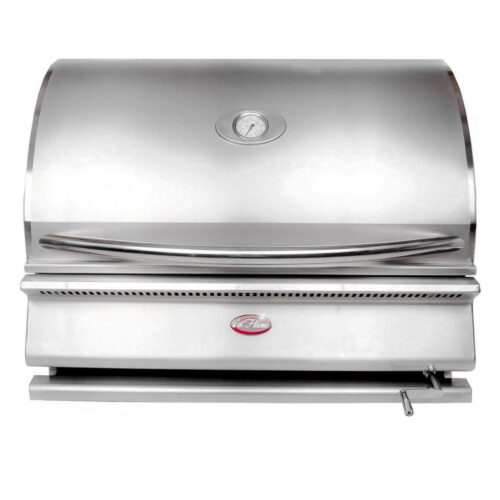
- Stainless Steel: Corrosion-resistant and durable, ideal for coastal regions or areas with high humidity. Requires proper cleaning to prevent discoloration.
- Cast Iron: Excellent heat retention for searing, but prone to rust if not properly seasoned and maintained. More suitable for less humid climates.
- Powder-Coated Steel: Affordable and durable, but can chip or scratch over time. Good for moderate climates but may require more maintenance in humid locations.
- Ceramic: Found in Kamado style grills. Excellent heat retention and durability, but more expensive and heavier. Performs well in all climates.
Geo-Specific Considerations: Climate Matters
Your local climate plays a crucial role in choosing the right grill. Here's how different climates can affect your grill choice:
- Freezing Climates: Opt for grills with durable materials like stainless steel or ceramic that can withstand extreme temperature fluctuations. Consider a grill cover to protect it from snow and ice.
- Humid Climates: Choose grills made from corrosion-resistant materials like stainless steel or powder-coated aluminum. Regular cleaning is essential to prevent rust and corrosion.
- Coastal Climates: Saltwater can be highly corrosive. Stainless steel is a must, and regular cleaning is crucial to prevent rust.
- Dry Climates: Grills in dry climates are less susceptible to rust, but the intense sun can fade or damage certain materials. Consider a grill cover for UV protection.
Installation Tips and Safety Precautions
Proper installation and safety are paramount when setting up your poolside grill.
- Location: Place the grill on a level, non-combustible surface away from flammable materials like fences, trees, and pool equipment.
- Ventilation: Ensure adequate ventilation to prevent carbon monoxide buildup, especially with charcoal and gas grills.
- Gas Line Installation: If installing a natural gas grill, hire a qualified professional to connect the gas line.
- Propane Tank Storage: Store propane tanks upright in a well-ventilated area away from heat sources.
- Safety Equipment: Keep a fire extinguisher and a first-aid kit readily available.
- Regular Maintenance: Clean your grill regularly to prevent grease buildup and ensure proper function.
Maintaining Your Grill for Longevity
Regular maintenance will extend the life of your grill and keep it performing optimally.
- Cleaning: Clean the grates after each use to remove food debris.
- Grease Management: Empty the grease trap regularly to prevent fires.
- Rust Prevention: Apply a thin coat of cooking oil to the grates after cleaning to prevent rust.
- Covering: Use a grill cover to protect your grill from the elements when not in use.
- Inspection: Inspect the burners, hoses, and valves regularly for any signs of damage or wear.
Find the Perfect Grill at Pool Warehouse
Ready to upgrade your poolside experience? Browse our extensive selection of grills at Pool Warehouse and find the perfect model to suit your needs. We offer top-quality grills at competitive prices, with free shipping on select items. Contact our customer support team if you need any assistance. Happy Grilling!

