



Patio Furniture Cleaners
Welcome to the Pool Warehouse's comprehensive guide to patio furniture cleaners! Your outdoor oasis deserves to be comfortable and aesthetically pleasing. Keeping your patio furniture clean is essential for maintaining its beauty and extending its lifespan. This guide will help you choose the right cleaner for your specific furniture type and climate, ensuring your outdoor space remains inviting for years to come.
From removing stubborn stains to preventing mildew growth, we'll cover everything you need to know about patio furniture cleaners. Explore our wide selection and find the perfect solution to keep your outdoor furniture sparkling clean.
What is Patio Furniture Cleaner?
Patio furniture cleaner is a specially formulated cleaning solution designed to remove dirt, grime, mildew, and other contaminants from outdoor furniture. Unlike general household cleaners, patio furniture cleaners are often formulated to be safe for specific materials, such as resin, wicker, aluminum, wood, and fabric. They may also contain UV protectants to help prevent fading and damage from the sun.
The primary goal of a patio furniture cleaner is to restore the original appearance of your furniture without causing any harm. Different formulas address specific issues, such as removing bird droppings, algae growth, or even sunscreen residue.
Why is Using Specialized Patio Furniture Cleaner Important?
Using the right cleaner can significantly extend the life of your patio furniture. Regular household cleaners can be too harsh, potentially damaging the finish or causing discoloration. Specialized cleaners are formulated to be gentle yet effective, protecting the material while removing dirt and grime. Furthermore, many patio furniture cleaners contain protectants that help shield your furniture from the elements, preventing fading, cracking, and other damage.
How to Choose the Right Patio Furniture Cleaner
Choosing the right cleaner depends on several factors, including the type of furniture material, the nature of the dirt or stain, and your local climate. Here's a breakdown:
- Material Compatibility: Always check the cleaner's label to ensure it's safe for your furniture's material. Using the wrong cleaner can cause irreversible damage.
- Type of Stain: Some cleaners are better at removing specific types of stains, such as mildew, grease, or bird droppings. Identify the primary issue you're addressing.
- Concentrated vs. Ready-to-Use: Concentrated cleaners need to be diluted with water, offering a more economical option for frequent cleaning. Ready-to-use cleaners are convenient but may be more expensive in the long run.
- Environmental Factors: Consider eco-friendly options if you're concerned about the environment. Look for biodegradable formulas and avoid cleaners with harsh chemicals.
Patio Furniture Cleaner by Material Type
Different patio furniture materials require specific cleaning approaches:
- Resin Furniture: Generally low-maintenance, resin furniture can be cleaned with mild soap and water. For tougher stains, use a cleaner specifically formulated for resin.
- Wicker Furniture: Wicker can be delicate, so avoid harsh chemicals and abrasive scrubbers. Use a soft brush or cloth and a gentle cleaner designed for wicker.
- Aluminum Furniture: Aluminum is durable but can oxidize over time. Look for cleaners that are safe for aluminum and will help prevent oxidation.
- Wood Furniture: Wood furniture requires regular cleaning and sealing to prevent water damage and rot. Use a cleaner designed for wood and apply a protective sealant after cleaning.
- Fabric Cushions: Fabric cushions require a specialized fabric cleaner. Spot treat stains as soon as possible to prevent them from setting. Regularly vacuum cushions to remove loose dirt and debris.
Geo-Specific Considerations: Climate and Cleaning
Your local climate plays a significant role in how you maintain your patio furniture.
- Freezing Climates: In areas with freezing temperatures, it's crucial to thoroughly clean your furniture before storing it for the winter. This prevents mildew and mold growth during the off-season. Use a cleaner with mold and mildew inhibitors. Consider a sealant that is appropriate for very cold temperatures to minimize cracking.
- Warm, Humid Climates: In warm, humid climates, mold and mildew are common problems. Choose a cleaner with strong anti-fungal properties. Regular cleaning is essential to prevent buildup. Consider outdoor furniture covers to minimize the exposure to rain and humidity.
- Dry, Arid Climates: Dry climates can cause furniture to crack and fade. Look for cleaners with UV protectants to help prevent sun damage. Regularly apply a sealant or protectant to keep your furniture moisturized.
Material Durability and the Importance of Cleaning
Proper cleaning not only keeps your furniture looking good but also extends its lifespan by protecting the material.
- Resin: Durable and weather-resistant, but susceptible to fading if not cleaned and protected from UV rays.
- Wicker: Can be fragile and prone to damage from moisture and mold. Regular cleaning and sealing are crucial.
- Aluminum: Resistant to rust and corrosion, but can oxidize and become dull over time. Cleaning helps maintain its shine.
- Wood: Requires regular maintenance to prevent rot, warping, and cracking. Cleaning and sealing are essential. Teak wood is naturally more resistant to the elements but still benefits from regular cleaning.
Installation and Application Tips for Patio Furniture Cleaners
Follow these tips for best results when cleaning your patio furniture:
- Read the Label: Always read and follow the manufacturer's instructions on the cleaner's label.
- Test in an Inconspicuous Area: Before cleaning the entire piece of furniture, test the cleaner in a small, hidden area to ensure it doesn't cause discoloration or damage.
- Use the Right Tools: Use a soft brush, cloth, or sponge to apply the cleaner. Avoid abrasive scrubbers that can scratch the surface.
- Rinse Thoroughly: After cleaning, rinse the furniture thoroughly with clean water to remove any residue.
- Allow to Dry Completely: Allow the furniture to dry completely before using it or covering it.
- Consider a Power Washer (Carefully): For certain materials (like some types of resin or aluminum), a power washer can be used *very carefully* on a low-pressure setting. Maintain a safe distance to avoid damage. Never use a power washer on wicker or delicate fabrics.
Beyond Cleaning: Protecting Your Patio Furniture
Cleaning is just one part of maintaining your patio furniture. Consider these additional steps to protect your investment:
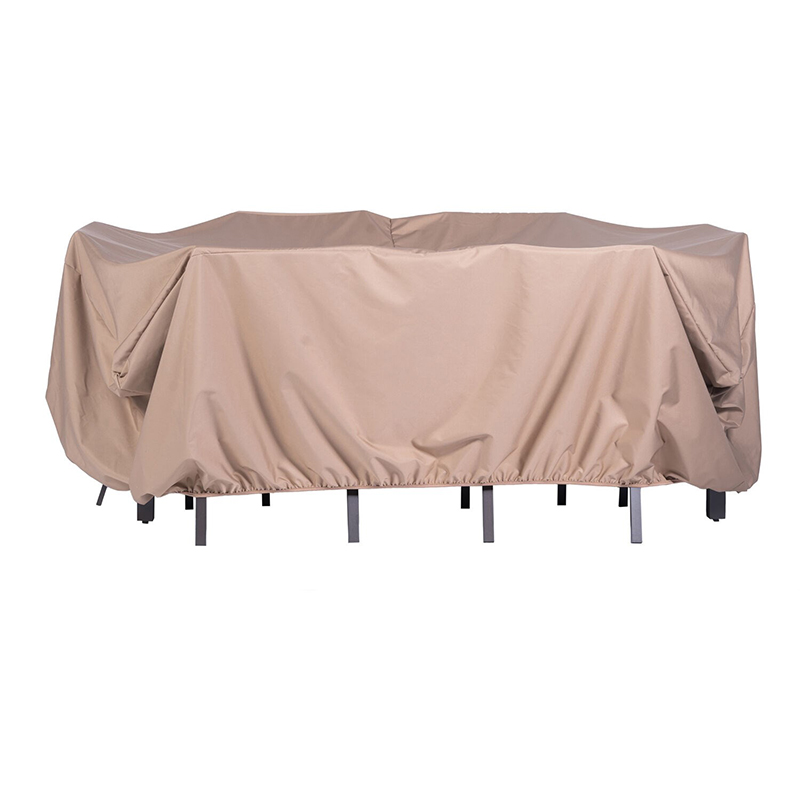
- Use Furniture Covers: When not in use, cover your furniture to protect it from the elements.
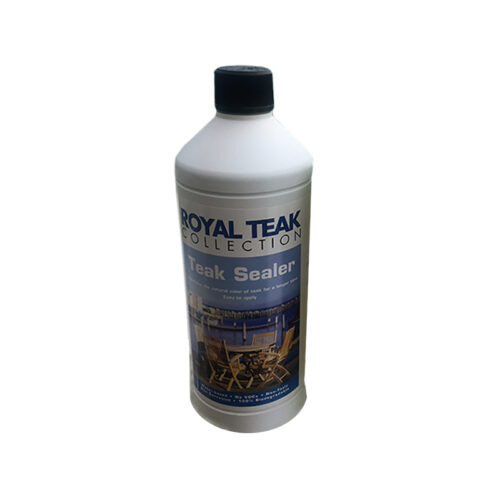
- Apply Sealant: Apply a sealant or protectant to wood furniture to prevent water damage and rot.
- Store Furniture Indoors: During the off-season, store your furniture indoors to protect it from extreme weather conditions.
- Regular Inspection: Regularly inspect your furniture for signs of damage, such as cracks, rust, or mildew. Address any issues promptly to prevent further damage.
Choosing the Right Cleaner from Pool Warehouse
At Pool Warehouse, we offer a wide selection of patio furniture cleaners to meet your specific needs. Browse our collection and find the perfect solution to keep your outdoor furniture looking its best. Our expert staff is available to answer any questions you may have and help you choose the right products for your patio furniture.
Invest in the right patio furniture cleaner and enjoy your outdoor oasis for years to come!

