



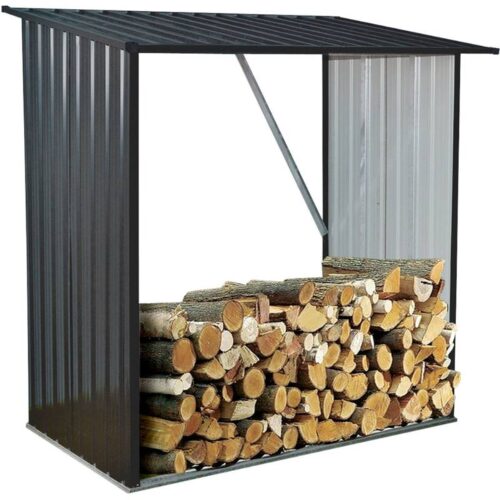
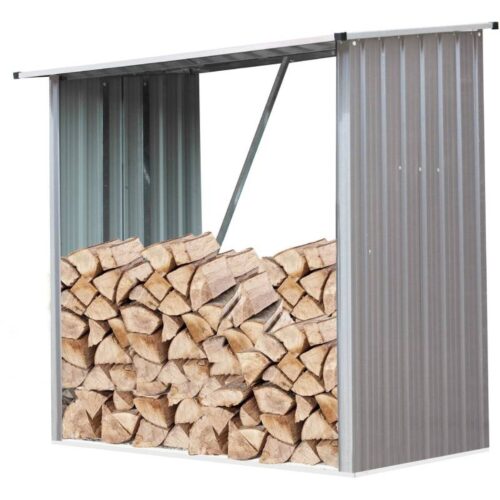
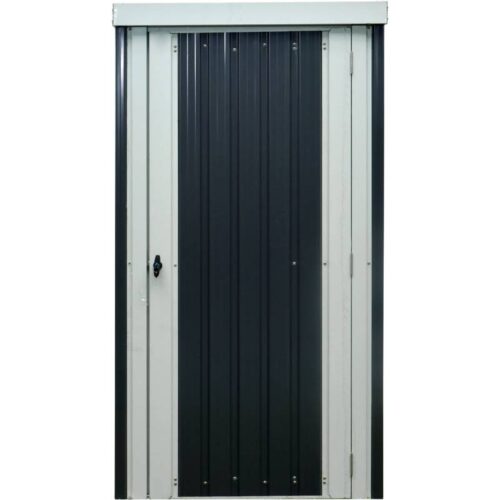
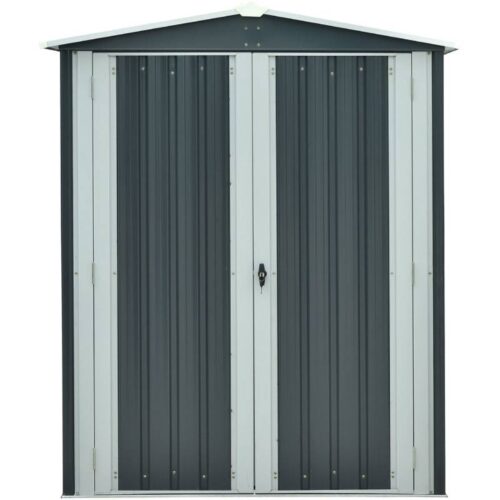
Sheds & Storage for Your Pool Area
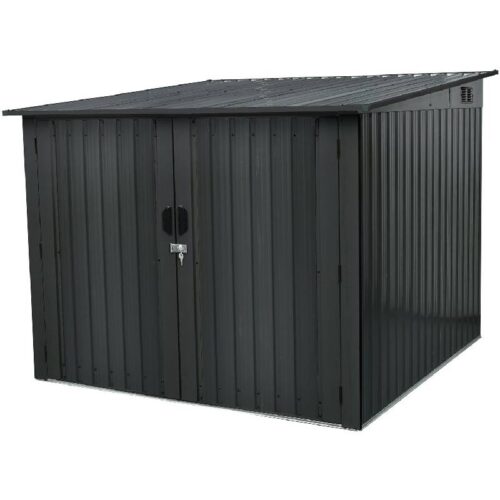
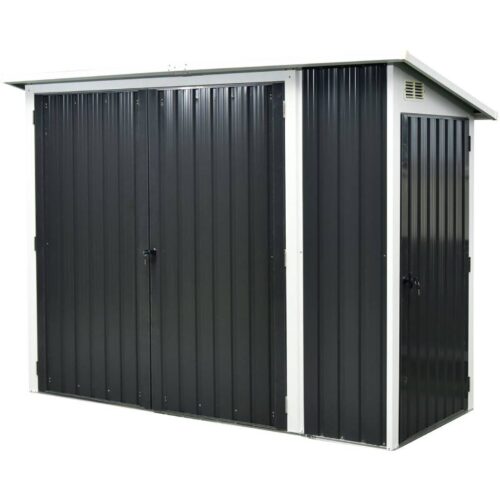
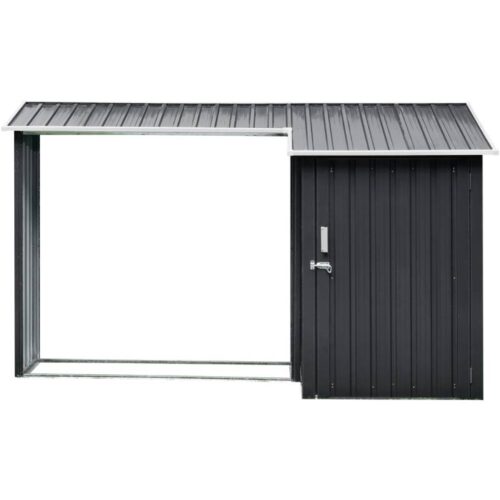
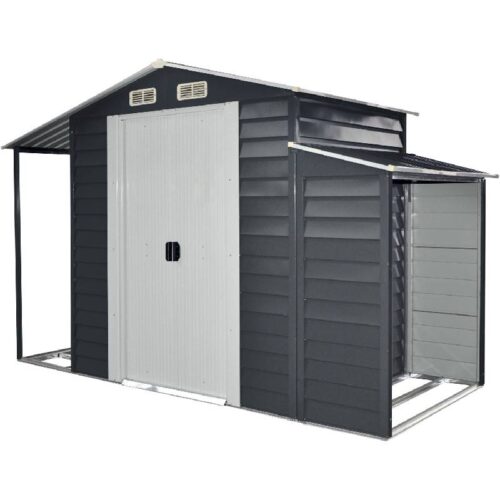
Welcome to the Sheds & Storage category at Pool Warehouse, your one-stop shop for keeping your pool area organized, safe, and clutter-free. A dedicated pool shed or storage solution not only enhances the aesthetic appeal of your backyard oasis but also protects your valuable pool equipment from the elements, extending their lifespan and ensuring optimal performance. Whether you need a spacious shed for housing your pump, filter, and chemicals, or a simple storage box for toys and accessories, we have the perfect solution for you.
This guide will help you navigate the world of pool sheds and storage, providing valuable insights on choosing the right option for your needs, considering factors like size, material, climate, and budget.
What is a Pool Shed and Why Do You Need One?
A pool shed is a dedicated outdoor structure designed to house and protect your pool equipment, chemicals, and accessories. It's more than just a storage space; it's an investment in the longevity and efficiency of your pool system. Here's why you might need one:
- Protection from the elements: Rain, snow, sun, and wind can damage pool equipment, leading to costly repairs or replacements. A shed shields your equipment from these harsh conditions.
- Organization and Aesthetics: A cluttered pool area is unsightly. A shed keeps everything neatly organized and out of sight, improving the overall look of your backyard.
- Safety: Pool chemicals can be dangerous if not stored properly. A secure shed keeps chemicals out of reach of children and pets, reducing the risk of accidents.
- Extended Equipment Lifespan: Protecting your equipment from the elements helps it last longer, saving you money in the long run.
- Increased Property Value: A well-maintained pool area with a dedicated storage solution can increase your property value.
Choosing the Right Size Pool Shed
The size of your pool shed will depend on the amount of equipment and supplies you need to store. Consider the following factors:
- Equipment Size: Measure your pump, filter, heater (if applicable), and other equipment to determine the minimum space required.
- Chemical Storage: Allocate space for storing chlorine, algaecide, pH balancers, and other chemicals, ensuring adequate ventilation and separation.
- Accessories: Don't forget about pool toys, cleaning tools, floats, and other accessories.
- Future Needs: Consider potential future upgrades or additions to your pool system. It's better to choose a slightly larger shed than you think you need.
- Local Regulations: Check local zoning regulations for any restrictions on shed size or placement.
Pool Shed Materials: Durability and Considerations
Pool sheds are typically made from wood, metal, or resin. Each material has its own advantages and disadvantages:
- Wood:
- Pros: Aesthetically pleasing, customizable, relatively inexpensive.
- Cons: Requires regular maintenance (painting, staining), susceptible to rot and insect damage, can warp or crack in extreme temperatures.
- Geo-Specific Consideration: In regions with high humidity and termite activity, pressure-treated wood is essential. Consider cedar or redwood for natural resistance to rot. In areas with heavy snowfall, ensure the shed is structurally sound enough to withstand the weight of the snow.
- Metal:
- Pros: Durable, fire-resistant, low maintenance, relatively inexpensive.
- Cons: Can rust, prone to dents, less aesthetically pleasing than wood, can get very hot in direct sunlight.
- Geo-Specific Consideration: In coastal areas with saltwater exposure, choose galvanized steel or aluminum sheds with rust-resistant coatings. In areas with strong winds, anchor the shed securely to the ground.
- Resin (Plastic):
- Pros: Weather-resistant, low maintenance, lightweight, easy to assemble, won't rust or rot.
- Cons: Less durable than wood or metal, can fade or crack in direct sunlight, may not be as aesthetically pleasing.
- Geo-Specific Consideration: Choose UV-resistant resin sheds in areas with intense sunlight to prevent fading and cracking. In freezing climates, ensure the resin is impact-resistant and won't become brittle in cold temperatures. Look for sheds made from high-density polyethylene (HDPE) for better durability.
Material Durability Comparison: For extreme weather conditions like heavy snow, high winds or intense sun, metal and high-quality resin offer the best long-term durability with minimal maintenance. Wood offers great aesthetics but requires diligent upkeep to prevent rot and damage.
Pool Storage Boxes and Deck Boxes
For smaller storage needs, pool storage boxes and deck boxes are excellent options. These are ideal for storing pool toys, floats, cleaning supplies, and other accessories. They are typically made from resin or plastic and are weather-resistant. When choosing a storage box, consider the size, material, and style to match your existing outdoor decor.
Pool Shed Installation Tips
Installing a pool shed can be a DIY project, but it's important to follow these tips to ensure a safe and secure installation:
- Choose a Level Site: Ensure the ground is level before assembling the shed. Use a level and shovel to correct any unevenness.
- Build a Foundation: A solid foundation, such as a concrete slab or gravel base, will prevent the shed from sinking or shifting over time.
- Follow Instructions Carefully: Read and follow the manufacturer's instructions carefully during assembly.
- Secure the Shed: Anchor the shed to the ground using appropriate hardware to prevent it from being blown over by wind.
- Ventilation: Ensure adequate ventilation to prevent moisture buildup and chemical fumes from accumulating.
- Electrical Considerations: If you plan to run electricity to the shed, consult with a qualified electrician to ensure proper wiring and safety.
- Local Permits: Check with your local authorities to see if any permits are required for shed installation.
Maintaining Your Pool Shed
Regular maintenance will help extend the life of your pool shed and keep it looking its best:
- Clean Regularly: Sweep or hose down the shed regularly to remove dirt and debris.
- Inspect for Damage: Check for signs of rot, rust, or cracking, and repair any damage promptly.
- Apply Protective Coatings: Apply paint, stain, or sealant to protect the shed from the elements.
- Organize Contents: Keep the contents of the shed organized to prevent clutter and make it easier to find what you need.
- Ventilation: Ensure ventilation openings are not obstructed by debris.
Geo-Specific Storage Considerations: Freezing vs. Warm Climates
- Freezing Climates:
- Consider snow load: Choose a shed with a roof that can withstand heavy snow accumulation.
- Prevent freezing: Protect pool chemicals from freezing temperatures. Store them in insulated containers or a heated area within the shed.
- Winterize equipment: Properly winterize all pool equipment before storing it in the shed. Drain water from pumps, filters, and heaters to prevent damage from freezing.
- Warm Climates:
- Ventilation is key: Ensure adequate ventilation to prevent overheating and moisture buildup, which can lead to mold and mildew.
- UV protection: Choose sheds made from UV-resistant materials to prevent fading and cracking from the sun.
- Pest control: Implement pest control measures to prevent insects and rodents from infesting the shed.
At Pool Warehouse, we offer a wide selection of pool sheds and storage solutions to meet your needs. Browse our collection today and find the perfect solution for keeping your pool area organized and protected.

