

Pool Supplies & Accessories: Your Ultimate Guide
Welcome to the Pool Warehouse's comprehensive guide to pool supplies and accessories! Whether you're a first-time pool owner or a seasoned pro, this guide will help you navigate the vast world of pool equipment, chemicals, and accessories to ensure your pool stays clean, safe, and enjoyable all season long.
From essential maintenance tools to fun recreational additions, we'll cover everything you need to know. This guide focuses on helping you choose the right products for your specific pool type, climate, and needs, maximizing your pool investment and minimizing headaches.
Remember to check local regulations regarding pool safety and chemical usage before purchasing any products.
What are Essential Pool Supplies and Accessories?
Essential pool supplies and accessories are the tools and equipment needed to keep your pool water clean, balanced, and safe for swimming. They also contribute to the longevity of your pool itself, preventing damage and costly repairs.
- Chemicals: Sanitizers (chlorine, bromine, salt), algaecides, pH balancers, shock treatments, and water conditioners.
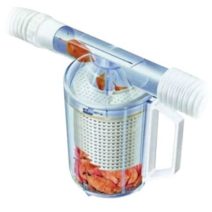
- Cleaning Equipment: Skimmers, brushes, vacuums (manual and robotic), leaf traps, and telescopic poles.
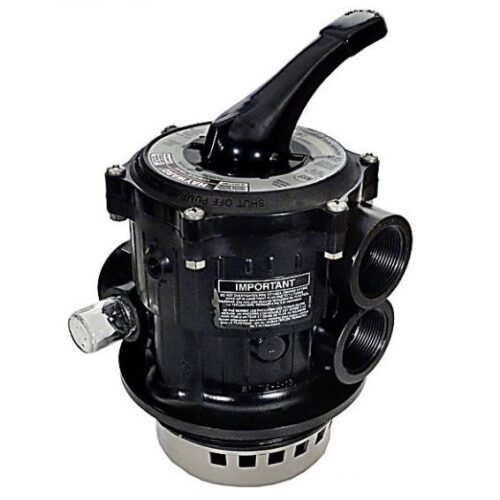
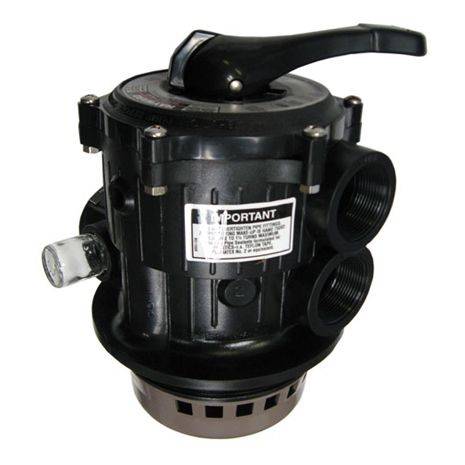
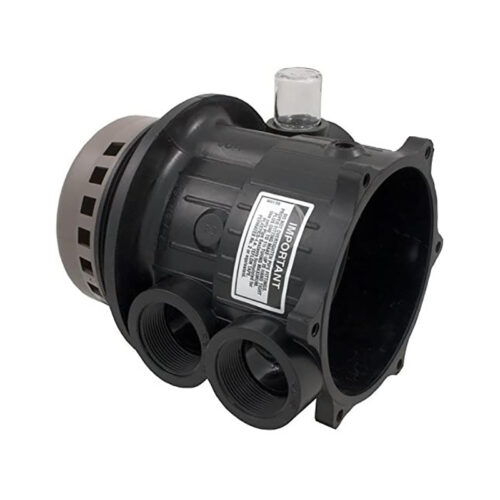
- Filtration System: Filters (sand, cartridge, DE), pumps, and associated plumbing.
- Testing Kits: Test strips, liquid test kits, and digital testers to monitor water chemistry.
- Safety Equipment: Pool covers, safety fences, alarms, and life-saving rings.
Choosing the Right Pool Chemicals: A Comprehensive Guide
Maintaining proper water chemistry is crucial for a healthy and enjoyable swimming experience. Selecting the right chemicals depends on several factors, including your pool size, type of sanitizer, and local water conditions.
- Chlorine: The most common sanitizer, available in various forms (liquid, tablets, granules). Effective against bacteria and algae. Consider stabilized chlorine (with cyanuric acid) for outdoor pools to protect against sunlight degradation.
- Bromine: An alternative sanitizer, often used in spas and indoor pools. More stable than chlorine at higher temperatures.
- Saltwater Systems: Use a salt cell to generate chlorine through electrolysis. Requires salt and periodic cell cleaning.
- Algaecides: Prevent and control algae growth. Different types target specific algae species (green, black, yellow/mustard).
- pH Balancers: Maintain pH levels between 7.2 and 7.8. Use pH increaser (sodium carbonate) or pH decreaser (sodium bisulfate) as needed.
- Shock Treatments: Oxidize contaminants and restore water clarity. Available in chlorine and non-chlorine formulas.
Important: Always follow the manufacturer's instructions when adding chemicals to your pool. Test your water regularly and adjust chemical levels accordingly.
Pool Cleaning Equipment: Manual vs. Robotic
Keeping your pool clean requires regular removal of debris, leaves, and algae. You can choose between manual and robotic cleaning equipment, depending on your budget and cleaning preferences.
- Manual Cleaning: Involves using a skimmer, brush, and vacuum to manually remove debris. Affordable and effective for smaller pools. Requires more time and effort.
- Robotic Cleaners: Automatic pool cleaners that navigate the pool floor, walls, and waterline. More expensive but require less manual effort. Programmable and energy-efficient. Consider the size and shape of your pool when choosing a robotic cleaner.
Regular brushing and skimming are still important, even with a robotic cleaner, to prevent algae buildup and ensure thorough cleaning.
Pool Filters: Sand, Cartridge, and DE - Which is Best?
The pool filter is the heart of your pool's circulation system, removing dirt, debris, and contaminants from the water. There are three main types of pool filters:
- Sand Filters: The most common and affordable type. Use silica sand to trap debris. Require backwashing to clean the filter. Effective for larger debris but less effective at filtering finer particles.
- Cartridge Filters: Use a pleated cartridge to trap debris. Offer finer filtration than sand filters. Require periodic cleaning by hosing off the cartridge. Easier to maintain than DE filters.
- Diatomaceous Earth (DE) Filters: Use DE powder to coat the filter grids. Provide the finest filtration, removing even the smallest particles. Require backwashing and periodic replacement of DE powder. More complex to maintain than sand or cartridge filters.
Consider your pool size, filtration requirements, and maintenance preferences when choosing a pool filter.
Pool Covers: Safety, Solar, and Winter
Pool covers serve various purposes, including safety, energy conservation, and winter protection. Choosing the right cover depends on your specific needs and climate.
- Safety Covers: Designed to prevent accidental drowning. Made of durable materials and anchored securely to the pool deck. Essential for families with young children or pets.
- Solar Covers: Heat the pool water using solar energy. Reduce evaporation and chemical consumption. Lightweight and easy to install.
- Winter Covers: Protect the pool from debris and ice damage during the off-season. Available in various materials and sizes. In freezing climates, consider a cover with an air pillow to prevent ice expansion from damaging the pool walls.
For geo-specific considerations, areas with freezing temperatures need durable winter covers and potentially pool antifreeze to protect plumbing. Warmer climates can focus on solar covers for extended swimming seasons.
Material Durability Comparisons: Covers, Liners, and Hoses
The longevity of your pool supplies depends heavily on the materials they are made from. Here's a brief overview:
- Pool Covers: Polyethylene is cost-effective but less durable. Vinyl and reinforced vinyl offer better resistance to tearing and UV damage.
- Pool Liners: Vinyl liners vary in thickness (mil). Thicker liners are more resistant to punctures and fading. Consider reinforced vinyl for increased durability.
- Pool Hoses: Standard hoses are prone to cracking and kinking. Reinforced hoses are more flexible and resistant to damage. Opt for UV-resistant hoses for prolonged outdoor use.
Investing in higher-quality materials upfront can save you money in the long run by reducing the need for frequent replacements.
Installation Tips for Common Pool Accessories
Proper installation is crucial for ensuring the performance and longevity of your pool accessories.
- Pool Pumps: Ensure proper plumbing connections and voltage compatibility. Prime the pump before starting.
- Pool Filters: Follow the manufacturer's instructions for media loading and plumbing connections. Backwash or clean the filter regularly.
- Pool Heaters: Hire a qualified technician for gas or electrical connections. Maintain proper water flow for optimal heating.
- Pool Liners: Ensure the pool walls and floor are smooth and free of debris. Carefully stretch and secure the liner to prevent wrinkles.
Always consult the manufacturer's instructions and consider professional installation for complex equipment.
Troubleshooting Common Pool Problems
Even with proper maintenance, pool problems can arise. Here are some common issues and how to address them:
- Cloudy Water: Check pH and sanitizer levels. Shock the pool and run the filter continuously. Consider using a clarifier.
- Algae Growth: Identify the type of algae and use the appropriate algaecide. Brush the pool walls and floor. Shock the pool.
- Green Water: Usually indicates a lack of sanitizer. Shock the pool and test for stabilizer levels.
- High pH: Add pH decreaser to lower the pH level.
- Low pH: Add pH increaser to raise the pH level.
At Pool Warehouse, we are committed to providing you with high-quality products and expert advice to ensure you have a safe and enjoyable swimming season. Browse our extensive selection of pool supplies and accessories today!

