



Pool Lighting Parts
Welcome to the Pool Warehouse Pool Lighting Parts category! Maintaining your pool's lighting is crucial for safety and aesthetics, especially during evening swims. This comprehensive guide will walk you through the various pool lighting parts we offer, helping you choose the right components for your pool and ensuring a safe and enjoyable swimming experience. Whether you're replacing a burnt-out bulb, fixing a leaky fixture, or upgrading your entire lighting system, we have the parts and the expertise to assist you.
What are Pool Lighting Parts?
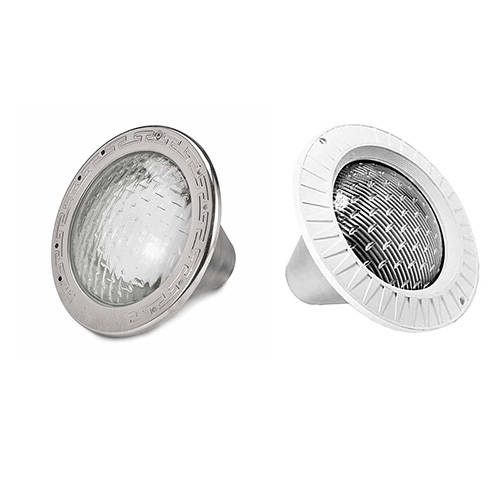
Pool lighting parts encompass a wide range of components designed to keep your underwater lights functioning properly. These parts are essential for maintaining a safe and visually appealing pool environment. Key components include:
- Bulbs: The source of light, available in various types like incandescent, halogen, and LED.
- Lenses: Protect the bulb and diffuse the light for even illumination.
- Gaskets and O-rings: Provide a watertight seal to prevent water from entering the light fixture.
- Transformers: Step down the voltage from your household electricity to a safe level for underwater use (typically 12V).
- Light Housings: Enclose and protect the bulb and other components.
- Cords and Connectors: Provide the electrical connection between the light and the transformer.
- Reflectors: Increase the efficiency of the light output.
- Mounting Brackets: Secure the light fixture to the pool wall.
- Junction Boxes: Protect and connect the wiring to the pool light.
How to Choose the Right Pool Lighting Parts
Selecting the correct pool lighting parts requires careful consideration of several factors. Here's a breakdown of what to look for:
- Compatibility: Ensure the part is compatible with your existing pool light fixture. Check the manufacturer's specifications and model number.
- Bulb Type: Consider switching to LED bulbs for energy efficiency and longer lifespan compared to incandescent or halogen.
- Voltage: Verify that the transformer and other electrical components are compatible with your pool's electrical system. Most residential pool lights operate at 12V for safety.
- Material Durability: Choose parts made from durable, corrosion-resistant materials, such as stainless steel or high-quality plastics.
- Seal Integrity: Pay close attention to gaskets and O-rings. Ensure they are made of a durable material like silicone or neoprene, and that they fit snugly to prevent leaks.
- Safety Certifications: Look for parts that are UL-listed or ETL-listed, indicating they have been tested and meet safety standards.
Understanding Bulb Types: Incandescent, Halogen, and LED
Choosing the right bulb is essential for achieving the desired lighting effect and minimizing energy consumption. Here's a comparison:
- Incandescent: The oldest technology, incandescent bulbs are inexpensive but inefficient, generating a lot of heat and having a short lifespan.
- Halogen: Halogen bulbs are brighter and more energy-efficient than incandescent bulbs, but they still generate significant heat and have a relatively short lifespan compared to LEDs.
- LED (Light Emitting Diode): LED bulbs are the most energy-efficient and longest-lasting option. They produce very little heat, offer a wide range of colors, and can be controlled remotely. Although more expensive initially, LEDs save money in the long run due to their lower energy consumption and longer lifespan.
Material Durability: Choosing the Right Materials for Your Pool Lights
The materials used in pool lighting parts greatly impact their longevity and resistance to corrosion. Here's a comparison of common materials:
- Plastic: Often used for lenses and housings, plastic is inexpensive and lightweight. However, it can become brittle over time, especially when exposed to UV radiation and pool chemicals. Look for UV-resistant and chemical-resistant plastics.
- Stainless Steel: An excellent choice for housings and mounting brackets, stainless steel is highly resistant to corrosion and can withstand harsh pool environments. Marine-grade stainless steel (316) offers even greater resistance to saltwater.
- Glass: Used for lenses, glass provides excellent clarity and is resistant to scratching. Tempered glass is stronger and more resistant to breakage.
- Rubber/Silicone: Used for gaskets and O-rings, these materials provide a watertight seal. Silicone is generally more durable and resistant to chemicals than rubber.
Installation Tips and Safety Precautions
Working with electrical components near water requires extreme caution. Always disconnect the power to the pool light circuit breaker before performing any maintenance or repairs. If you are not comfortable working with electricity, hire a qualified electrician.
- Read the Manufacturer's Instructions: Carefully follow the instructions provided with your new pool lighting parts.
- Use the Correct Tools: Use the appropriate tools for the job to avoid damaging the parts.
- Test the Gasket: Before installing a new gasket, inspect it for any damage and ensure it fits snugly. Consider applying a thin layer of silicone grease to improve the seal.
- Check for Leaks: After installing the new parts, carefully inspect the light fixture for leaks before turning the power back on.
- Grounding: Ensure the pool light fixture is properly grounded to prevent electrical shock.
- GFCI Protection: Your pool light circuit should be protected by a Ground Fault Circuit Interrupter (GFCI) to prevent electrical shock in the event of a fault.
Geo-Specific Considerations: Freezing Climates vs. Warm Climates
The climate in your region can significantly impact the lifespan of your pool lighting parts. Here's what to consider:
- Freezing Climates: In regions with freezing temperatures, it's crucial to winterize your pool properly. This includes draining the pool water below the light fixture to prevent damage from ice expansion. Consider removing the light fixture entirely during the winter months to further protect it. Inspect for cracks caused by ice each spring.
- Warm Climates: In warmer climates, the primary concern is UV degradation and chemical exposure. Choose parts made from UV-resistant and chemical-resistant materials. Regularly inspect gaskets and O-rings for signs of deterioration. Algae can also be a factor, ensure proper cleaning routines.
Troubleshooting Common Pool Lighting Problems
- Bulb Won't Light: Check the bulb first. If the bulb is good, check the transformer and wiring.
- Light is Flickering: This could be a sign of a loose connection, a failing transformer, or a problem with the wiring.
- Water Leaking into the Fixture: Replace the gaskets and O-rings. Ensure they are properly seated and tightened. Inspect the lens for cracks.
- Dim Light: A dim light could be caused by a low-voltage transformer or a corroded connection.
Pool Warehouse: Your Source for Pool Lighting Parts
At Pool Warehouse, we are committed to providing high-quality pool lighting parts at competitive prices. We offer a wide selection of bulbs, lenses, gaskets, transformers, and other components to meet your needs. Our knowledgeable staff is available to answer your questions and help you choose the right parts for your pool. Browse our selection today and experience the Pool Warehouse difference!

