








Pool Lights: Illuminate Your Backyard Oasis - Pool Warehouse
Welcome to the Pool Lights category at Pool Warehouse, your one-stop shop for creating a stunning and safe swimming environment after dark. Whether you're looking to upgrade your existing pool lighting, install new lights during a pool renovation, or simply add ambiance to your backyard, we have the perfect solutions to brighten your pool.
This comprehensive guide will walk you through the different types of pool lights, help you choose the right option for your needs, and provide essential information on installation and maintenance. We'll also discuss climate-specific considerations and material durability to ensure your investment lasts for years to come.
What are Pool Lights?
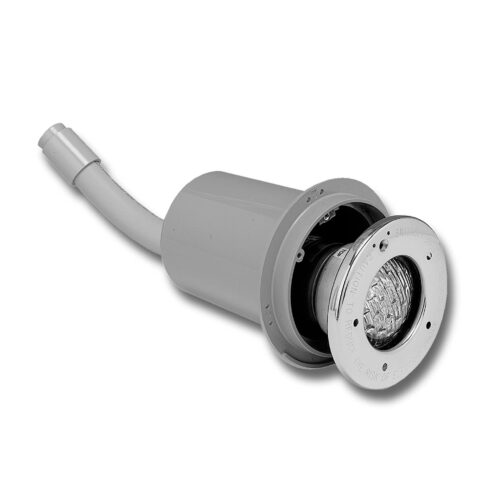
Pool lights are underwater lighting systems designed to illuminate your swimming pool, providing visibility and safety for nighttime swimming. They not only enhance the aesthetic appeal of your pool but also significantly improve safety by allowing you to see swimmers and potential hazards.
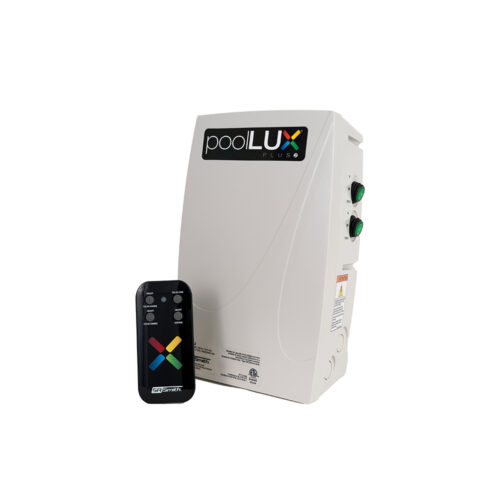
Modern pool lights go beyond basic illumination. They offer a wide range of features, including color-changing capabilities, remote control operation, and energy-efficient LED technology. Pool lights also contribute to the overall ambiance of your outdoor space, making your pool area a more inviting and enjoyable place to relax and entertain.
Types of Pool Lights Available at Pool Warehouse
We offer a diverse selection of pool lights to suit various pool types, budgets, and aesthetic preferences. Here's a breakdown of the main types:
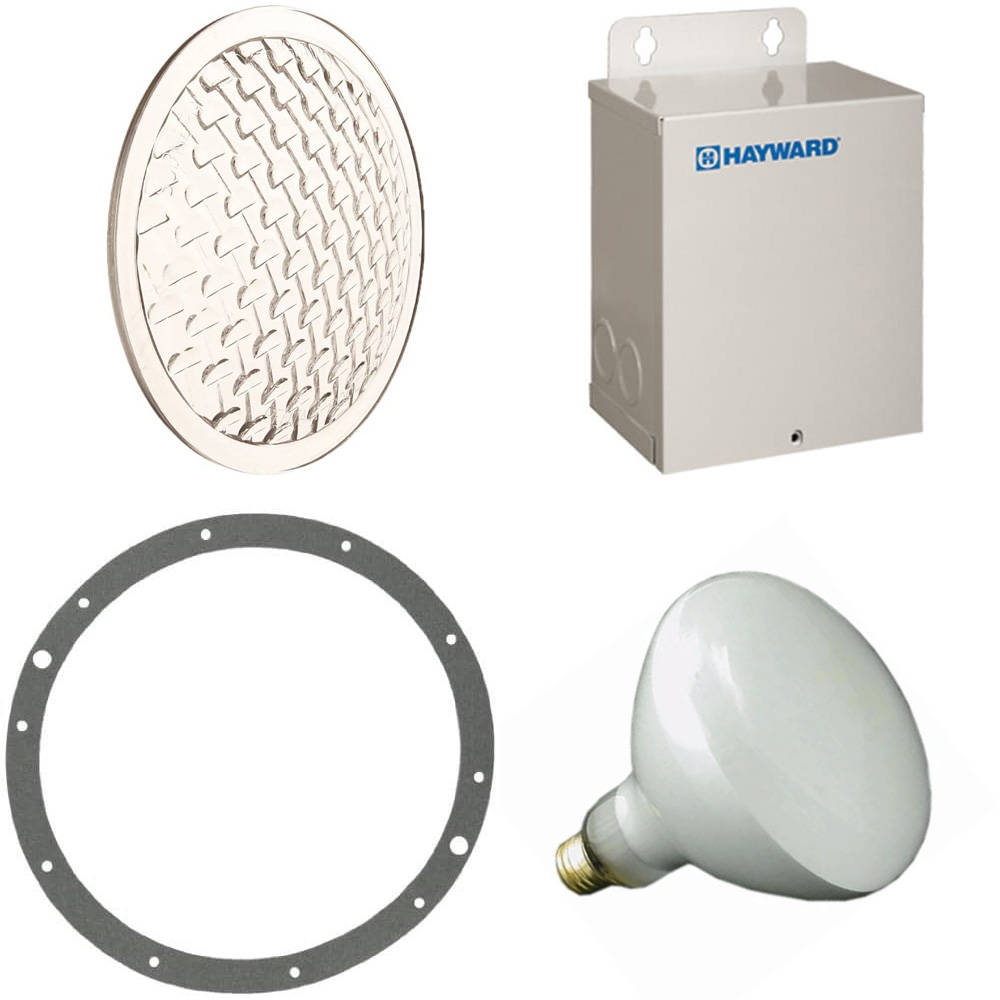
- Incandescent Pool Lights: These are the traditional type of pool light, offering a bright, warm glow. While they are typically the most affordable upfront, they are less energy-efficient and have a shorter lifespan compared to other options. Replacement bulbs are often required more frequently.
- Halogen Pool Lights: Halogen lights are brighter and more energy-efficient than incandescent lights, but they still consume more power than LED options. They also generate more heat.
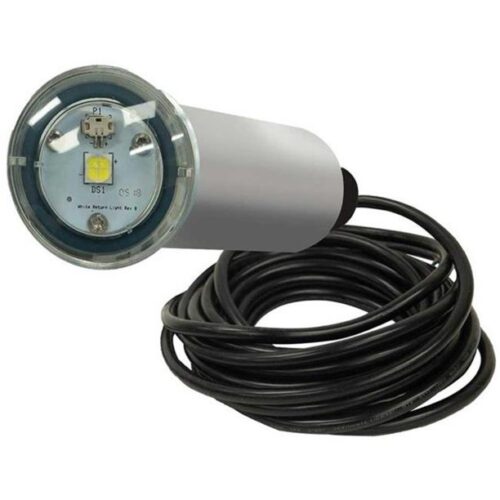
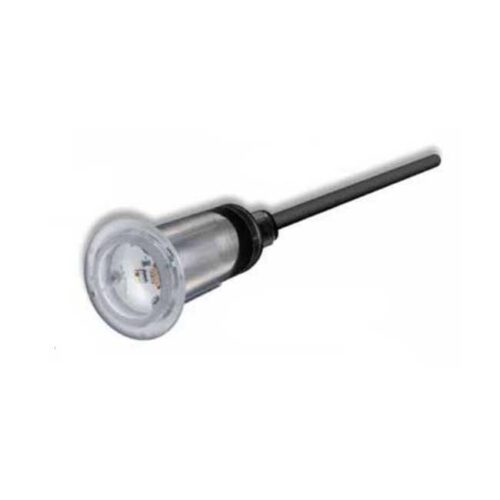
- LED Pool Lights: LED (Light Emitting Diode) lights are the most energy-efficient and long-lasting option available. They consume significantly less power than incandescent and halogen lights and can last for tens of thousands of hours. LED lights also offer a wide range of color options and can be controlled remotely.
- Fiber Optic Pool Lights: Fiber optic lights use a single light source to illuminate the pool via fiber optic cables. This allows for precise placement of light and eliminates the need for electrical wiring within the pool. They are often used for creating unique lighting effects, such as starscapes or perimeter lighting.
- Floating Pool Lights: These are portable, battery-powered lights that float on the surface of the pool. They are a convenient and affordable way to add ambient lighting to your pool without the need for permanent installation. Many floating lights are solar-powered.
How to Choose the Right Pool Lights for Your Needs
Selecting the best pool lights requires considering several factors:
- Pool Type and Size: The size and type of your pool will influence the number and type of lights you need. Larger pools require more lights to ensure adequate illumination. Above-ground pools often have different lighting requirements than in-ground pools.
- Budget: Pool lights range in price from affordable incandescent options to more expensive LED systems. Determine your budget and choose the best option within your price range. Remember to factor in long-term costs, such as energy consumption and bulb replacement.
- Energy Efficiency: LED lights are the most energy-efficient option, saving you money on your electricity bill over time.
- Brightness and Color: Consider the desired brightness and color of your pool lights. LED lights offer a wide range of color options and can be programmed to create different lighting effects.
- Installation: Determine whether you want to install the lights yourself or hire a professional. Some pool lights are easier to install than others.
- Control Options: Some pool lights can be controlled remotely using a smartphone app or remote control. Consider whether this feature is important to you.
Pool Light Material Durability: What to Look For
Pool lights are constantly submerged in water and exposed to chemicals, so durability is crucial. Look for lights made from high-quality materials that can withstand these harsh conditions.
- Housing Materials: Common housing materials include stainless steel, plastic, and composite materials. Stainless steel is durable and corrosion-resistant, but it can be more expensive. Plastic and composite materials are more affordable but may not be as durable.
- Lens Materials: The lens should be made from a durable, UV-resistant material that won't yellow or crack over time. Polycarbonate is a popular choice for its strength and clarity.
- Seals and Gaskets: Ensure that the light has reliable seals and gaskets to prevent water from entering the housing. Look for lights with IP68 waterproof ratings for maximum protection.
Geo-Specific Considerations: Freezing Climates vs. Warm Climates
The climate in your region can affect the performance and lifespan of your pool lights.
Freezing Climates:
- Ensure your pool lights are designed to withstand freezing temperatures. Some lights may require special winterization procedures.
- During winterizing your pool, consider removing or properly protecting pool lights to prevent damage from ice expansion.
- Check for any seals or gaskets that may be prone to cracking in cold weather.
Warm Climates:
- UV exposure can be a concern in warm, sunny climates. Choose lights with UV-resistant materials to prevent yellowing and cracking.
- Proper ventilation is important to prevent overheating, especially in enclosed fixtures.
- Consider the impact of humidity on electrical components and ensure the lights are properly sealed.
Pool Light Installation Tips and Safety Guidelines
Proper installation is essential for ensuring the safe and reliable operation of your pool lights.
- Always disconnect the power before working on any electrical equipment.
- Follow the manufacturer's instructions carefully.
- Use the correct wiring and connectors for underwater applications.
- Ensure that the lights are properly grounded.
- If you are not comfortable working with electrical wiring, hire a qualified electrician.
- Consider hiring a pool professional for any light installation that requires draining the pool.
Maintaining Your Pool Lights
Regular maintenance can help extend the life of your pool lights.
- Inspect the lights regularly for any signs of damage or wear.
- Clean the lenses to remove any algae or debris.
- Replace bulbs as needed.
- Check the seals and gaskets for any leaks. Replace them if necessary.
Troubleshooting Common Pool Light Problems
Here are some common pool light problems and how to troubleshoot them:
- Light doesn't turn on: Check the circuit breaker, wiring, and bulb.
- Light is flickering: Check the wiring and connections.
- Light is leaking: Check the seals and gaskets.
- Light is dim: The bulb may be nearing the end of its lifespan.
At Pool Warehouse, we're committed to helping you find the perfect pool lights to transform your backyard into a stunning and safe oasis. Browse our selection today and let us help you illuminate your pool!

