





Inground Swimming Pool Covers
Welcome to Pool Warehouse's comprehensive guide to inground swimming pool covers. Protecting your investment and ensuring safety are paramount, and choosing the right pool cover is a critical step. This guide will walk you through the different types of inground pool covers, materials, installation tips, and considerations for various climates. Whether you're in a region with harsh winters or a milder climate, we'll help you find the perfect cover to keep your pool clean, safe, and ready for the next swimming season.
Investing in an inground pool cover not only protects your pool from debris and weather damage but also helps reduce water evaporation, saving you money on water and chemical costs. A good cover also provides a vital safety barrier, preventing accidental falls, especially important for families with young children and pets.
What is an Inground Swimming Pool Cover?
An inground swimming pool cover is a protective barrier designed to cover the surface of your pool when it's not in use. These covers serve multiple purposes, including:
- Preventing debris (leaves, dirt, insects) from entering the pool.
- Reducing water evaporation, saving water and chemicals.
- Providing a safety barrier to prevent accidental falls.
- Helping to retain heat in the pool water, reducing heating costs (especially with solar covers).
- Protecting the pool surface from UV damage.
Types of Inground Swimming Pool Covers
There are several types of inground pool covers, each with its own set of features and benefits. The most common types include:
- Winter Pool Covers: These covers are designed to protect your pool during the off-season. They are typically made from durable materials like polyethylene or vinyl and are secured around the pool's perimeter with water tubes or anchors.
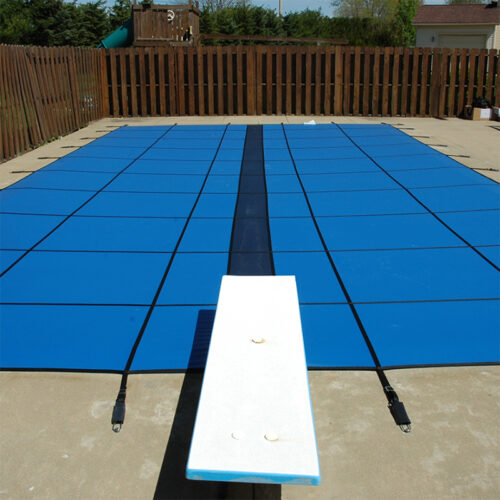
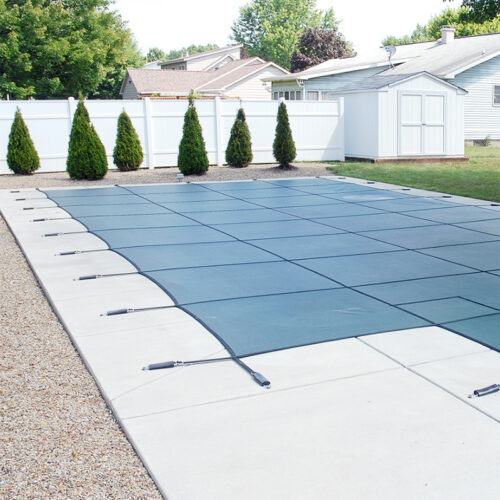
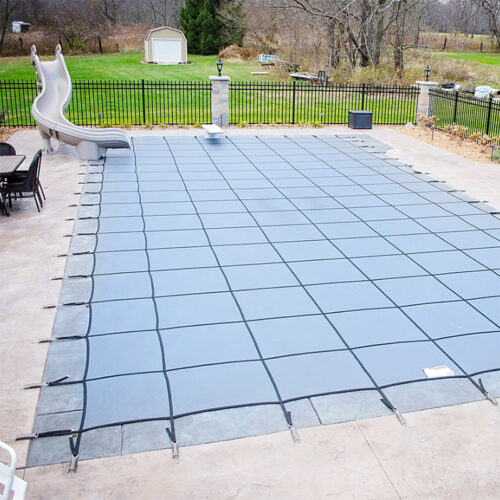
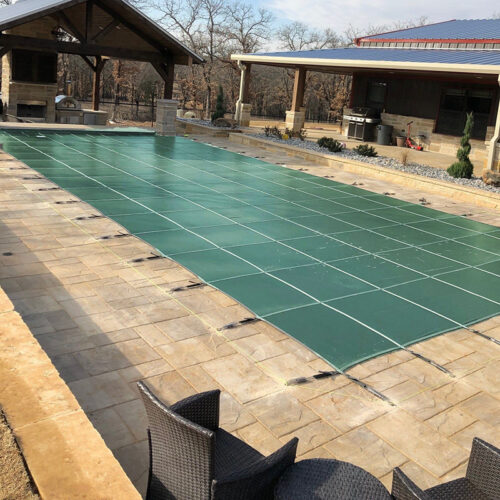
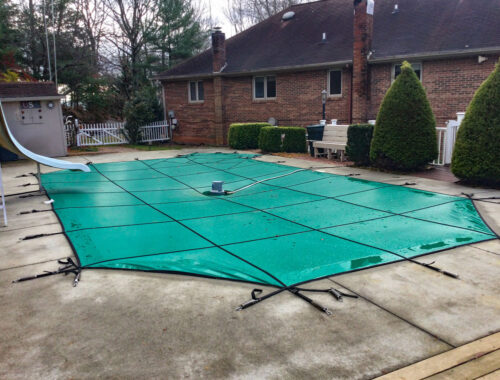
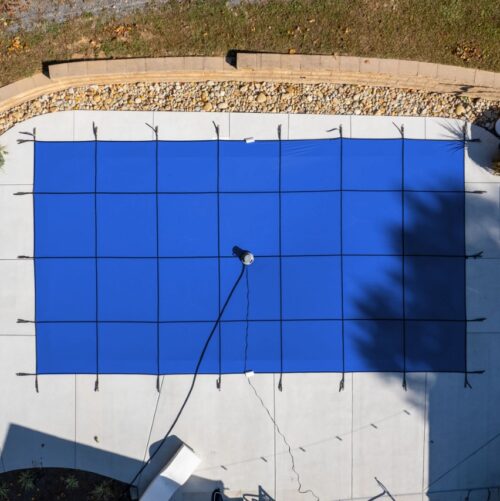
- Safety Pool Covers: Constructed from tightly woven mesh or solid vinyl, safety covers are anchored to the pool deck with straps and springs. They are designed to withstand significant weight and prevent accidental falls.
- Mesh Pool Covers: These covers allow water to pass through while blocking debris. They are lighter than solid covers and easier to handle.
- Solid Pool Covers: Solid covers completely block sunlight and water, preventing algae growth. They often require a pump to remove accumulated rainwater.
- Automatic Pool Covers: These covers operate with a motorized mechanism, allowing you to easily open and close the pool with the push of a button. They offer convenience and enhanced safety.
- Solar Pool Covers (Solar Blankets): Designed to heat the pool water using solar energy, these covers float on the surface of the water and can also help reduce evaporation.
How to Choose the Right Inground Pool Cover
Selecting the right inground pool cover depends on several factors, including your budget, climate, safety concerns, and maintenance preferences.
- Climate: In colder climates with freezing temperatures, a durable winter cover or a safety cover is essential to protect your pool from ice damage. In warmer climates, a lighter mesh cover or a solar cover might be sufficient.
- Safety: If you have young children or pets, a safety cover is a must-have to prevent accidental falls into the pool.
- Budget: The cost of pool covers can vary significantly, with automatic covers being the most expensive and winter covers being more affordable.
- Maintenance: Consider the amount of maintenance required for each type of cover. Solid covers require pumping off accumulated water, while mesh covers allow water to drain through.
- Pool Shape and Size: Ensure the cover you choose is the correct size and shape for your pool. Custom-fit covers are available for irregularly shaped pools.
Material Durability Comparisons
The material of your pool cover significantly impacts its durability and lifespan. Here's a comparison of common pool cover materials:
- Polyethylene: A common material for winter pool covers, polyethylene is relatively inexpensive and provides good protection against debris. However, it is not as durable as other materials and may tear or puncture more easily.
- Vinyl: More durable than polyethylene, vinyl is a popular choice for solid pool covers and safety covers. It is resistant to UV damage and can withstand significant weight.
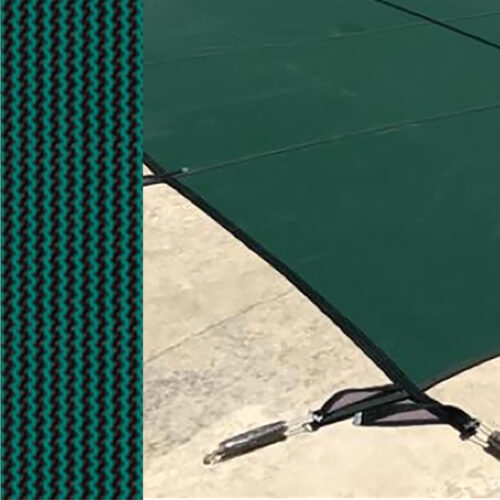
- Mesh (Polypropylene): Used in mesh pool covers, polypropylene is strong and allows water to drain through. It is also resistant to mildew and rot.
- Automatic Cover Fabric: Typically a reinforced vinyl or composite material, designed for constant use and exposure to elements. Requires professional maintenance and repair.
Inground Pool Cover Installation Tips
Proper installation is crucial for ensuring your pool cover functions effectively and provides the necessary protection.
- Winter Covers: Center the cover over the pool and secure it with water tubes or cable and winch system. Ensure the cover overlaps the pool edges by at least 3 feet.
- Safety Covers: Follow the manufacturer's instructions carefully. Drill anchor holes in the deck and attach the cover using the provided straps and springs. Tension the straps evenly to ensure a snug fit. Professional installation is highly recommended.
- Mesh and Solid Covers: Similar to winter covers, these covers are typically secured with water tubes or a cable and winch system. Ensure the cover is properly centered and overlaps the pool edges.
- Automatic Covers: Automatic pool covers require professional installation due to the complexity of the motorized mechanism. Regular maintenance is essential to ensure smooth operation.
Geo-Specific Considerations for Pool Covers
The best type of pool cover for your inground pool depends significantly on your geographic location and climate.
- Freezing Climates (e.g., Northern US, Canada): A heavy-duty winter cover or a safety cover is essential to protect your pool from ice damage. Solid covers can help prevent water from freezing within the pool, while safety covers can withstand the weight of snow and ice. Consider using a pool pillow to reduce stress on the cover.
- Warm Climates (e.g., Southern US, California): While winter protection is less of a concern, a pool cover is still beneficial for reducing evaporation, preventing debris from entering the pool, and providing a safety barrier. A lighter mesh cover or a solar cover may be sufficient.
- Areas with High Winds: In areas prone to high winds, ensure your pool cover is securely anchored to prevent it from being blown off. Consider using a heavier-duty cover with a strong anchoring system.
- Areas with Heavy Rainfall: Solid covers are ideal for preventing rainwater from entering the pool. However, you'll need a pump to remove accumulated water regularly.
Maintenance and Care of Your Inground Pool Cover
Proper maintenance and care will extend the life of your pool cover and ensure it continues to provide effective protection.
- Clean the cover regularly to remove debris and prevent stains.
- Store the cover properly during the swimming season in a cool, dry place.
- Inspect the cover regularly for tears or damage and repair them promptly.
- For solid covers, use a pool cover pump to remove accumulated rainwater.
- For automatic covers, schedule regular maintenance with a qualified technician.
At Pool Warehouse, we offer a wide selection of high-quality inground swimming pool covers to meet your needs and budget. Browse our selection today and protect your investment for years to come. Contact our expert team for personalized assistance in choosing the perfect cover for your pool!

