
















Swimming Pool Maintenance: The Ultimate Guide from Pool Warehouse
Welcome to the Pool Warehouse's comprehensive guide to swimming pool maintenance. Keeping your pool clean, safe, and enjoyable requires consistent effort and the right supplies. This guide will walk you through everything you need to know, from understanding water chemistry to choosing the best equipment for your specific needs and climate.
What is Swimming Pool Maintenance and Why is it Important?
Swimming pool maintenance encompasses all the tasks and processes involved in keeping your pool water clean, balanced, and safe for swimming. It also includes maintaining the physical structure of your pool and its equipment. Neglecting pool maintenance can lead to a variety of problems, including:
- Unsafe swimming conditions due to bacteria and algae growth
- Cloudy or discolored water
- Damage to your pool's surfaces and equipment
- Increased costs for repairs and chemical treatments
- Health risks for swimmers
Understanding Pool Water Chemistry
Maintaining proper water chemistry is the cornerstone of effective pool maintenance. Here are the key parameters to monitor and adjust:
- pH: The pH level measures the acidity or alkalinity of your pool water. The ideal range is 7.2-7.8. Low pH (acidic) can corrode pool surfaces and equipment. High pH (alkaline) can lead to cloudy water and scale formation.
- Alkalinity: Alkalinity acts as a buffer to pH, preventing sudden swings. The ideal range is 80-120 ppm.
- Calcium Hardness: Calcium hardness measures the amount of calcium dissolved in your pool water. Maintaining the correct calcium level (200-400 ppm) prevents corrosion or scaling.
- Sanitizer Level (Chlorine or Salt): Sanitizers kill bacteria and algae in your pool water. Chlorine is the most common sanitizer, with a target level of 1-3 ppm. Saltwater pools use salt chlorine generators to produce chlorine.
- Cyanuric Acid (Stabilizer): Cyanuric acid protects chlorine from being broken down by sunlight. The ideal range is 30-50 ppm.
Essential Pool Maintenance Supplies
Here's a breakdown of the essential supplies you'll need for regular pool maintenance:
- Test Kit or Strips: For regularly testing your pool water chemistry.
- Chlorine (Tablets, Granules, or Liquid): For sanitizing the water. Consider tablets for slow release and granules for shock treatments.
- pH Adjusters (pH Increaser and pH Decreaser): To maintain proper pH levels.
- Alkalinity Increaser: To raise alkalinity levels.
- Calcium Hardness Increaser: To raise calcium hardness levels.
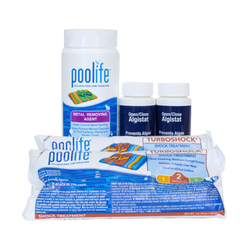
- Shock Treatment: A concentrated dose of chlorine to kill bacteria and algae.
- Algaecide: To prevent and control algae growth.
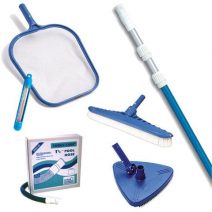
- Pool Vacuum: To remove debris from the bottom of the pool.
- Pool Brush: To scrub the pool walls and floor.
- Pool Skimmer: To remove leaves and debris from the surface of the water.
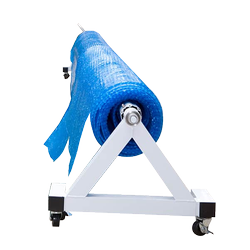
- Pool Cover: To protect your pool from debris and reduce water evaporation.
Choosing the Right Pool Vacuum
Pool vacuums come in three main types:
- Manual Pool Vacuums: These are the most affordable option and require you to manually guide the vacuum around the pool.
- Automatic Pool Cleaners (Suction-Side): These cleaners connect to your pool's skimmer and use suction to move around the pool and collect debris.
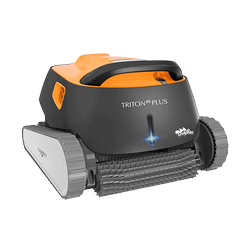
- Robotic Pool Cleaners: These are the most advanced type of pool cleaner and are self-contained, requiring no hoses or connections to your pool's system. They are generally more expensive but offer superior cleaning performance.
Selecting the Best Pool Brush
Pool brushes are essential for scrubbing away algae and debris from the pool's surfaces. Consider these factors when choosing a pool brush:
- Bristle Material: Nylon bristles are suitable for vinyl liner pools, while stainless steel bristles are more effective for concrete and plaster pools.
- Brush Size: Choose a brush size that is comfortable for you to handle and allows you to efficiently clean the pool.
- Shape: Curved brushes are helpful for cleaning corners and tight spaces.
Pool Covers: Types and Benefits
Pool covers offer a range of benefits, including:
- Reducing water evaporation
- Keeping debris out of the pool
- Conserving energy by reducing heat loss
- Enhancing pool safety
Common types of pool covers include:
- Solar Covers: These covers heat the pool water using solar energy.
- Winter Covers: These covers protect the pool from the elements during the off-season.
- Safety Covers: These covers are designed to prevent accidental drowning.
Pool Maintenance Schedules: Daily, Weekly, and Monthly
Establishing a regular maintenance schedule is crucial for keeping your pool in top condition:
- Daily: Skim the pool surface to remove leaves and debris.
- Weekly: Test and adjust water chemistry, vacuum the pool, brush the walls and floor.
- Monthly: Clean the filter, inspect equipment for wear and tear, and shock the pool.
Geo-Specific Considerations: Freezing Climates vs. Warm Climates
Pool maintenance needs vary depending on your climate:
- Freezing Climates: In regions with freezing temperatures, it's essential to winterize your pool to prevent damage from ice. This includes draining the water, removing equipment, and covering the pool with a winter cover.
- Warm Climates: In warm climates, algae growth is a more significant concern, so you may need to use algaecide more frequently. Water evaporation is also a bigger issue.
Material Durability Comparisons: PVC vs. Other Materials
Many pool maintenance tools and equipment are made from PVC. PVC offers good chemical resistance and is generally durable. However, other materials may offer better longevity in specific applications:
- PVC vs. Metal: For pool poles, consider aluminum or stainless steel for added strength and resistance to bending. While PVC is cheaper, metal lasts longer.
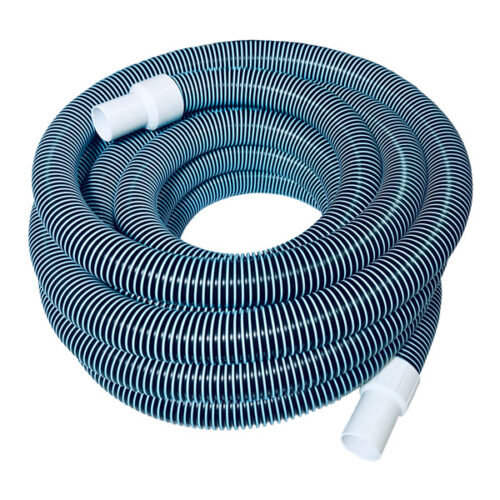
- PVC vs. Rubber: For hoses, reinforced rubber hoses offer better flexibility and resistance to cracking compared to standard PVC hoses.
Troubleshooting Common Pool Problems
- Cloudy Water: Often caused by imbalanced water chemistry, poor filtration, or algae.
- Algae Growth: Can be prevented with proper sanitization and algaecide.
- Scale Formation: Caused by high calcium hardness or pH.
- Corrosion: Caused by low pH or alkalinity.
Installation Tips for Pool Equipment
- Always follow the manufacturer's instructions when installing new equipment.
- Ensure proper plumbing connections to prevent leaks.
- Use Teflon tape on threaded connections to create a watertight seal.
- Consider hiring a professional for complex installations.
At Pool Warehouse, we're committed to providing you with the best pool maintenance supplies and expert advice. Browse our selection today and keep your pool sparkling clean all season long!