





Pool Kit Coping: A Comprehensive Guide from Pool Warehouse
Welcome to Pool Warehouse's comprehensive guide to pool kit coping! Coping is the material that caps the edge of your pool shell, providing a finished look, a comfortable grip for swimmers, and a crucial barrier protecting the pool structure. This guide will explore everything you need to know about pool kit coping, including types, materials, selection considerations, and installation tips.
What is Pool Kit Coping?
Pool coping serves several important functions for your inground pool kit. Firstly, it provides a smooth, safe, and aesthetically pleasing edge for swimmers to hold onto. Secondly, coping acts as a transition between the pool shell and the surrounding deck, preventing water from seeping behind the pool walls and causing structural damage. Thirdly, it adds a finished and refined look to your pool, enhancing the overall aesthetic appeal of your backyard oasis.
Types of Pool Kit Coping
Several types of pool kit coping are available, each with its own unique characteristics and benefits. Choosing the right type depends on your budget, aesthetic preferences, and the specific requirements of your pool kit.
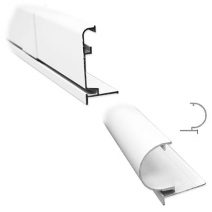
- Cantilever Coping: This type extends out over the pool edge, creating a sleek and modern look. Often used with poured concrete decks, it allows for a seamless transition.
- Bullnose Coping: Featuring a rounded edge, bullnose coping is a classic and comfortable option, reducing sharp edges and providing a comfortable grip.
- Flat Coping: Offering a clean and minimalist aesthetic, flat coping sits flush with the pool deck.
- Top Mount Coping: This coping sits on top of the pool wall and is typically used in conjunction with a vinyl liner.
- Brick Coping: Adds a traditional and timeless look to your pool. Requires careful installation to prevent leaks.
Materials for Pool Kit Coping
The material you choose for your pool kit coping will significantly impact its durability, aesthetics, and overall cost. Here's a breakdown of common coping materials:
- Concrete Coping: A versatile and durable option, concrete coping can be poured in place or pre-cast. It's relatively affordable and can be customized with various finishes and colors.
- Aluminum Coping: Lightweight and rust-resistant, aluminum coping is a popular choice, especially in regions with harsh weather conditions.
- Natural Stone Coping: Adds a touch of luxury and elegance to your pool. Options include flagstone, travertine, and limestone. Natural stone is generally more expensive and requires regular sealing.
- Paver Coping: Interlocking pavers create a visually appealing and durable coping option. Pavers are available in various colors, shapes, and sizes.
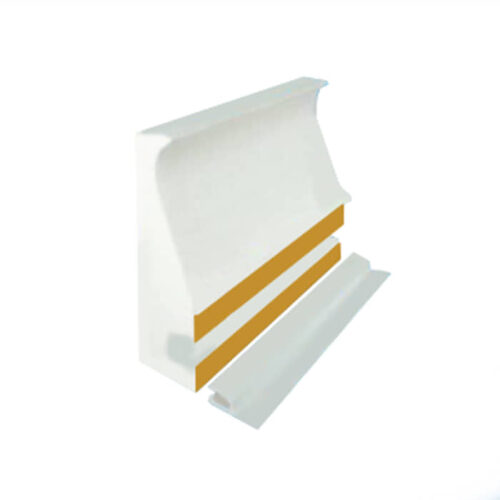
- Vinyl Coping: Designed specifically for vinyl liner pools, vinyl coping is easy to install and relatively inexpensive.
How to Choose the Right Pool Kit Coping
Selecting the right pool kit coping involves considering several factors:
- Pool Kit Compatibility: Ensure the coping you choose is compatible with your specific pool kit design and liner type.
- Climate Considerations: In colder climates like those found in the Northern US, freeze-thaw cycles can cause significant damage to certain coping materials. Opt for durable, weather-resistant options like aluminum or properly sealed concrete. In warmer climates, heat absorption can be a concern. Lighter-colored materials like travertine or light-colored concrete can help keep the coping cooler.
- Aesthetic Preferences: Choose a coping style and material that complements your overall backyard design and personal taste.
- Budget: Coping materials vary significantly in price. Establish a budget and explore options within your price range.
- Maintenance Requirements: Consider the long-term maintenance requirements of each material. Some materials, like natural stone, require regular sealing to prevent water damage.
- Deck Material: Ensure the coping you choose complements the material of your surrounding pool deck (concrete, pavers, wood, etc.).
Pool Coping Material Durability Comparison
- Concrete: High durability, resistant to cracking with proper installation and expansion joints. Susceptible to staining if not sealed.
- Aluminum: Excellent durability, resistant to rust and corrosion. Can dent if subjected to significant impact.
- Natural Stone: Good durability if properly sealed and maintained. Can be porous and susceptible to staining.
- Pavers: Good durability, resistant to cracking. Individual pavers can be replaced if damaged.
- Vinyl: Least durable, prone to damage from UV exposure and physical impact. Most cost-effective option.
Installation Tips for Pool Kit Coping
Proper installation is crucial for ensuring the longevity and performance of your pool kit coping. Here are some essential installation tips:
- Surface Preparation: Ensure the pool shell edge is clean, level, and properly prepared before installing the coping.
- Mortar Application: Use a high-quality mortar specifically designed for pool coping. Apply the mortar evenly to create a strong bond.
- Leveling and Alignment: Carefully level and align each piece of coping to ensure a consistent and professional finish.
- Expansion Joints: Install expansion joints to accommodate thermal expansion and contraction, preventing cracking.
- Sealing (if applicable): Seal porous materials like natural stone and concrete to protect them from water damage and staining.
- Professional Installation: If you're not comfortable with DIY projects, consider hiring a professional pool installer to ensure proper installation.
Geographic Considerations for Pool Kit Coping Selection
Your geographic location plays a significant role in selecting the right pool kit coping. Consider these factors:
- Freezing Climates: As mentioned before, in regions with freezing temperatures, water can seep into porous coping materials, freeze, and expand, causing cracking and damage. Opt for dense, non-porous materials like aluminum or properly sealed concrete. Ensure proper drainage to prevent water from accumulating around the coping.
- Warm Climates: In consistently warm climates, heat absorption can be a concern. Dark-colored coping materials can become uncomfortably hot to the touch. Choose lighter-colored materials or materials with high thermal reflectance.
- Coastal Areas: Saltwater can corrode certain materials, especially metals. Opt for corrosion-resistant materials like aluminum or synthetic options.
- Areas with Heavy Rainfall: Ensure proper drainage to prevent water from accumulating around the coping and causing damage. Choose materials that are resistant to water damage and erosion.
Maintaining Your Pool Kit Coping
Regular maintenance will help extend the life of your pool kit coping. Here are some tips:
- Regular Cleaning: Clean your coping regularly with a mild soap and water solution to remove dirt, debris, and algae.
- Sealing (if applicable): Re-seal porous materials like natural stone and concrete every few years to maintain their protective properties.
- Inspect for Damage: Regularly inspect your coping for cracks, chips, or other damage. Repair any damage promptly to prevent further deterioration.
- Winterization: In colder climates, properly winterize your pool to protect the coping from freeze-thaw damage.
At Pool Warehouse, we offer a wide selection of high-quality pool kit coping options to suit your needs and budget. Browse our collection today and find the perfect coping for your inground pool kit. Contact us with any questions – our pool experts are here to help!