











Pool Warehouse: Hand Rails - Your Ultimate Guide to Safe Pool Entry and Exit
Welcome to Pool Warehouse's extensive selection of pool hand rails! Whether you're building a new pool, renovating an existing one, or simply looking to enhance safety and accessibility, our guide will help you choose the perfect hand rail for your needs. We offer a wide variety of styles, materials, and finishes to complement any pool design. Explore our range and find the ideal hand rail to make your pool experience safer and more enjoyable.
What is a Pool Hand Rail and Why Do You Need One?
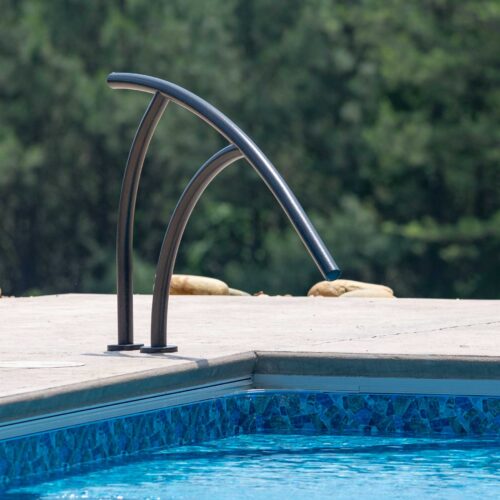
A pool hand rail is a safety feature designed to provide assistance and stability when entering and exiting a swimming pool. Primarily located at pool steps or ladders, hand rails offer a secure grip, reducing the risk of slips and falls. They are particularly beneficial for children, the elderly, and individuals with mobility issues. Beyond safety, hand rails can also add an aesthetic touch to your pool area, enhancing its overall appearance and usability.
How to Choose the Right Pool Hand Rail: Key Considerations
Selecting the right pool hand rail involves careful consideration of several factors to ensure optimal safety, durability, and aesthetics. Here are the key aspects to keep in mind:
- Pool Type: Above-ground and in-ground pools require different types of hand rails. Above-ground pool hand rails are typically designed to attach to the pool wall, while in-ground pool hand rails are anchored into the surrounding deck.
- User Needs: Consider who will be using the pool. If you have family members with mobility challenges, a longer or more ergonomic hand rail might be necessary. ADA-compliant hand rails are also available.
- Material: The material of the hand rail significantly impacts its durability and appearance. Common options include stainless steel, powder-coated aluminum, and vinyl-coated steel. We will explore these in more detail below.
- Finish: Choose a finish that complements your pool's design and withstands the elements. Popular options include polished stainless steel, powder-coated colors, and textured grips.
- Local Codes and Regulations: Ensure that the hand rail you choose meets all local safety codes and regulations. These may specify requirements for height, spacing, and anchoring.
- Installation: Consider whether you will install the hand rail yourself or hire a professional. Some hand rails require specialized tools and expertise for proper installation.
Material Durability Comparison: Stainless Steel, Aluminum, and Coated Steel
The material of your pool hand rail is a critical factor influencing its longevity and performance. Here's a comparison of the most common materials:
- Stainless Steel: Stainless steel is highly resistant to corrosion, making it an excellent choice for pool environments. It is strong, durable, and can withstand harsh chemicals and weather conditions. Stainless steel hand rails typically require minimal maintenance and offer a sleek, modern look. However, different grades of stainless steel exist. Opt for marine-grade 316 stainless steel for the highest level of corrosion resistance, especially in coastal areas or pools using saltwater systems.
- Powder-Coated Aluminum: Aluminum is lightweight and naturally resistant to rust. Powder coating adds an extra layer of protection against corrosion and provides a wide range of color options. Powder-coated aluminum hand rails are a good balance of durability, affordability, and aesthetics. However, the powder coating can chip or scratch over time, requiring touch-ups.
- Vinyl-Coated Steel: Steel provides excellent strength and stability, while the vinyl coating protects against corrosion. Vinyl-coated steel hand rails are often more affordable than stainless steel options. However, the vinyl coating can be susceptible to damage from UV exposure and pool chemicals, potentially leading to rust underneath.
Installation Tips for Pool Hand Rails
Proper installation is crucial for the safety and longevity of your pool hand rail. Here are some general tips:
- Read the Instructions Carefully: Always refer to the manufacturer's instructions for specific installation guidelines.
- Prepare the Surface: Ensure that the mounting surface is clean, level, and structurally sound.
- Use Appropriate Anchors: Select anchors that are compatible with the material of your pool deck and the weight of the hand rail. Expansion anchors are commonly used for concrete decks.
- Ensure Proper Spacing: Maintain consistent spacing between mounting points to distribute weight evenly.
- Tighten Hardware Securely: Use the correct tools to tighten all bolts and screws securely, but avoid over-tightening, which can damage the hand rail or deck.
- Consider Professional Installation: If you are not comfortable with DIY projects or lack the necessary tools and experience, consider hiring a professional pool installer.
Geo-Specific Considerations: Freezing Climates vs. Warm Climates
The climate in your region can significantly impact the choice and maintenance of your pool hand rail:
- Freezing Climates: In areas with freezing temperatures, water can seep into cracks or crevices in the hand rail material, expand when frozen, and cause damage.
- Choose materials that are highly resistant to water absorption and freeze-thaw cycles, such as marine-grade stainless steel.
- Properly winterize your pool to prevent water from accumulating around the hand rail anchors.
- Consider removing hand rails during the off-season and storing them in a dry place.
- Warm Climates: In warm climates, UV exposure and prolonged contact with pool chemicals can accelerate the degradation of certain materials.
- Choose materials with UV-resistant coatings or finishes, such as powder-coated aluminum or high-quality vinyl.
- Regularly clean your hand rails to remove chemical buildup and prevent corrosion.
- Consider shading the hand rail to minimize UV exposure.
ADA Compliant Hand Rails: Ensuring Accessibility
The Americans with Disabilities Act (ADA) sets specific guidelines for pool accessibility, including hand rails. ADA-compliant hand rails are designed to provide safe and easy access for individuals with disabilities.
- Key Features of ADA-Compliant Hand Rails:
- Specific height and length requirements.
- Proper spacing between hand rails and the pool edge.
- Non-slip surfaces for secure gripping.
- Adequate clearance for wheelchair access.
- Who Needs ADA-Compliant Hand Rails?:
- Public pools and aquatic facilities.
- Hotels and resorts with swimming pools.
- Any pool that serves the general public.
Maintaining Your Pool Hand Rail: Tips for Longevity
Regular maintenance will help extend the life of your pool hand rail and keep it looking its best:
- Regular Cleaning: Wipe down your hand rail regularly with a mild soap and water solution to remove dirt, debris, and chemical buildup.
- Inspect for Damage: Periodically inspect your hand rail for signs of corrosion, cracks, or loose hardware. Address any issues promptly to prevent further damage.
- Lubricate Moving Parts: If your hand rail has any moving parts, such as hinges or swivels, lubricate them regularly with a silicone-based lubricant.
- Apply Protective Coatings: Consider applying a protective coating, such as a sealant or wax, to help protect the hand rail from the elements.
- Winterization: In freezing climates, properly winterize your pool and hand rail to prevent damage from ice and snow.
Find the Perfect Pool Hand Rail at Pool Warehouse
At Pool Warehouse, we are committed to providing our customers with high-quality pool hand rails that meet their specific needs and budget. Browse our extensive selection today and find the perfect hand rail to enhance the safety, accessibility, and aesthetics of your pool. Our knowledgeable team is available to answer your questions and help you choose the right product for your pool. Contact us today!

