



Inground Pool Kits

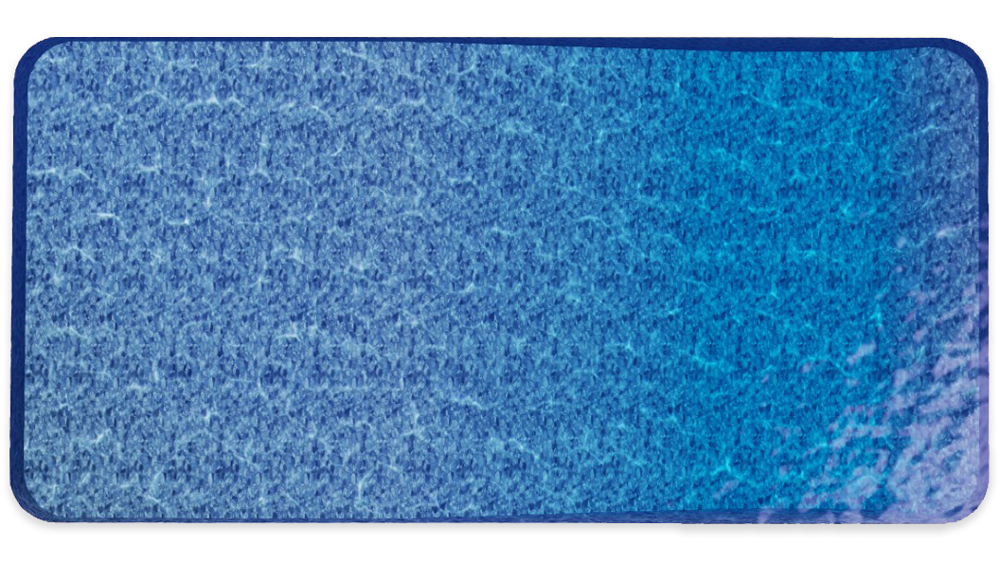
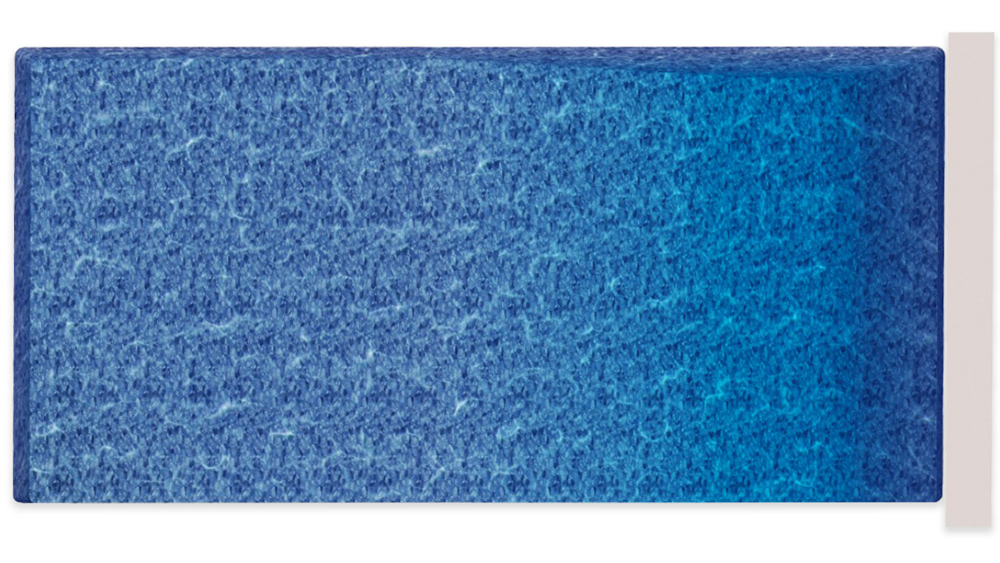
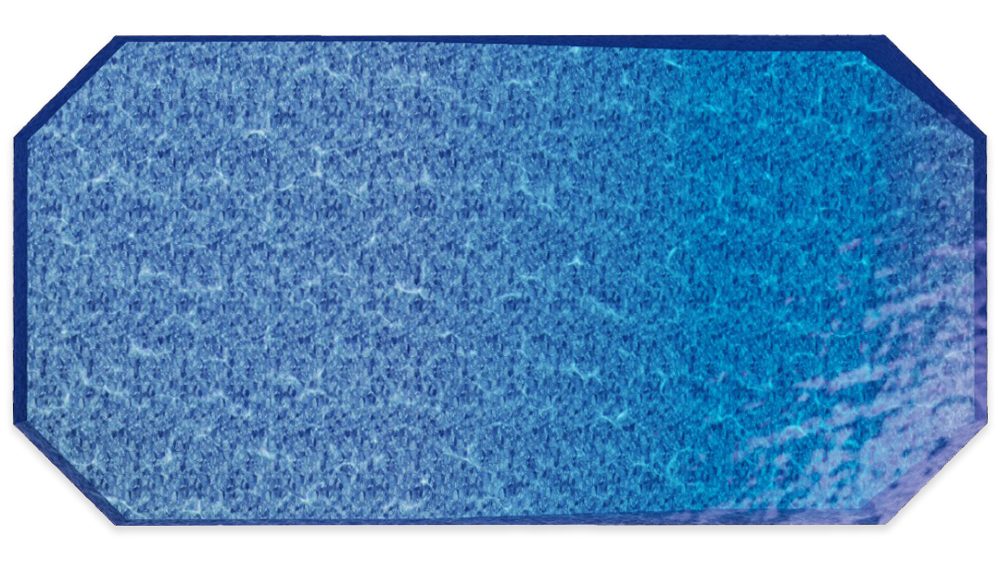
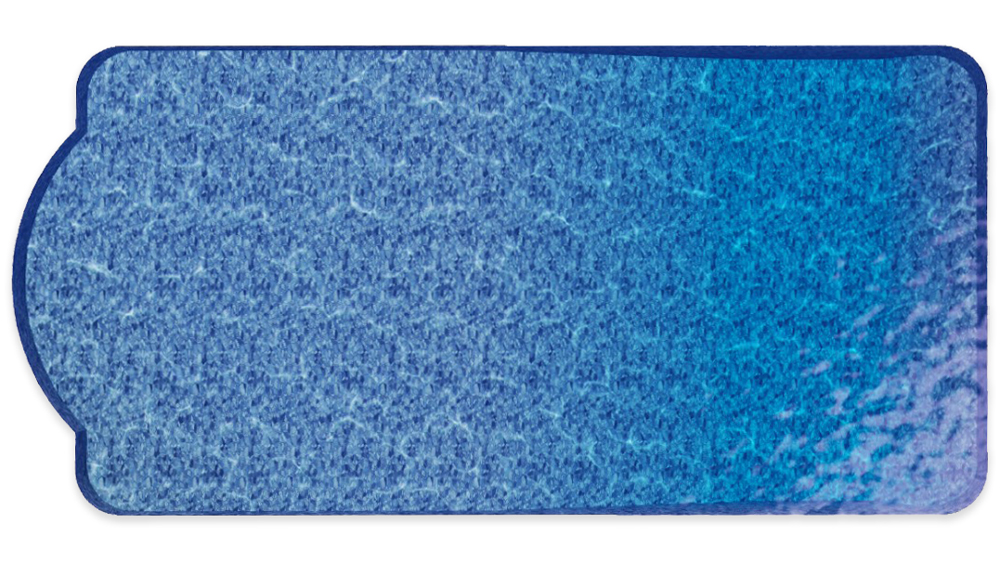
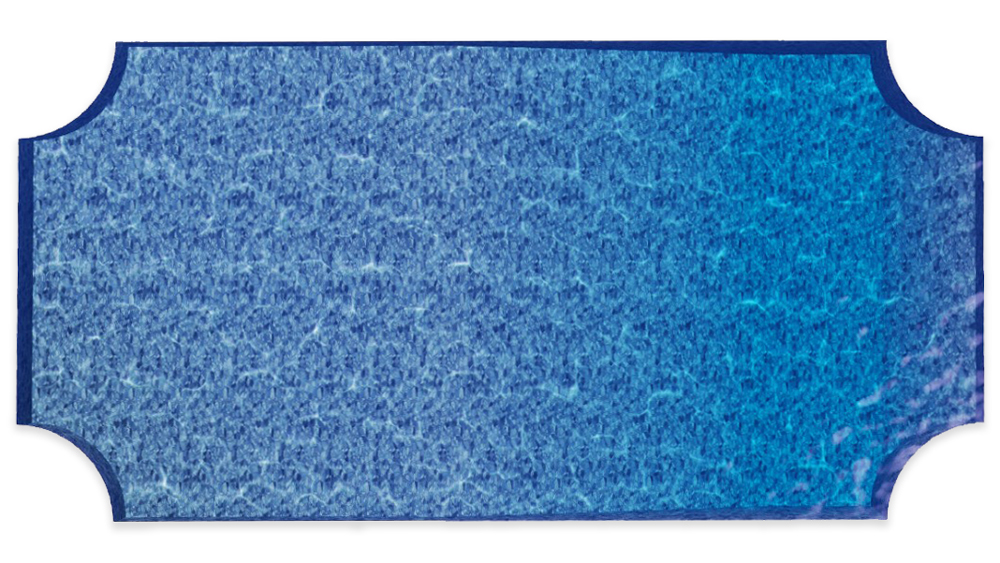
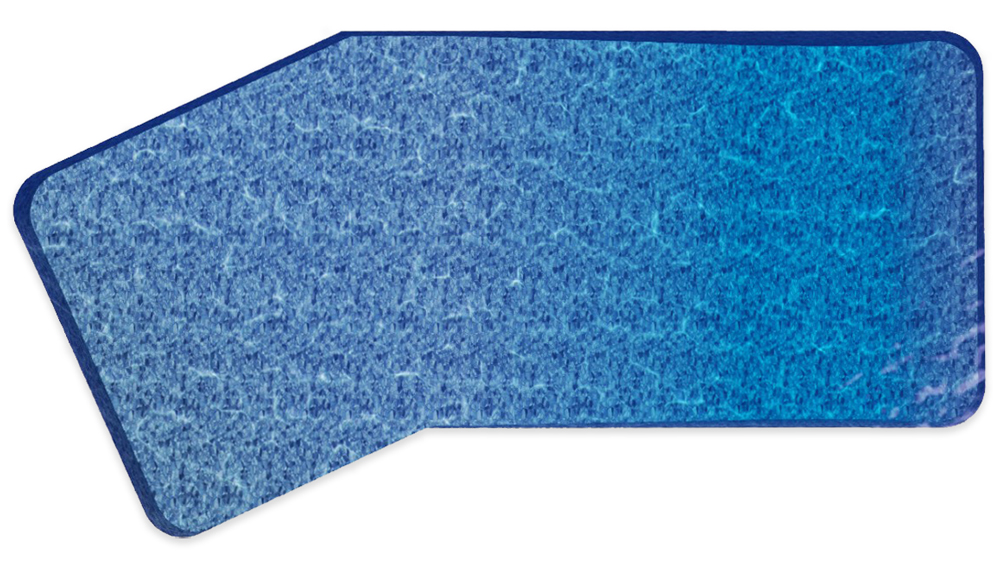
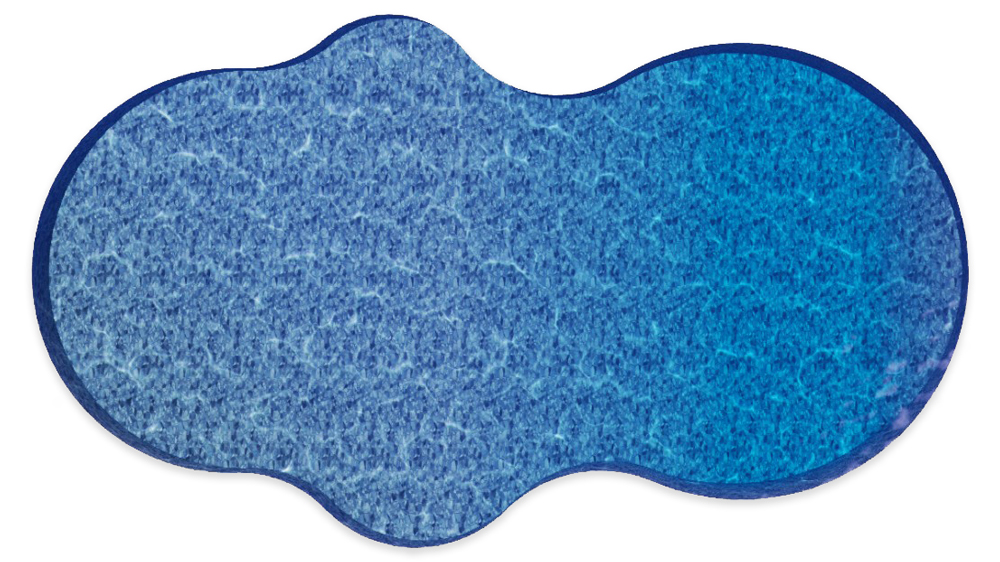
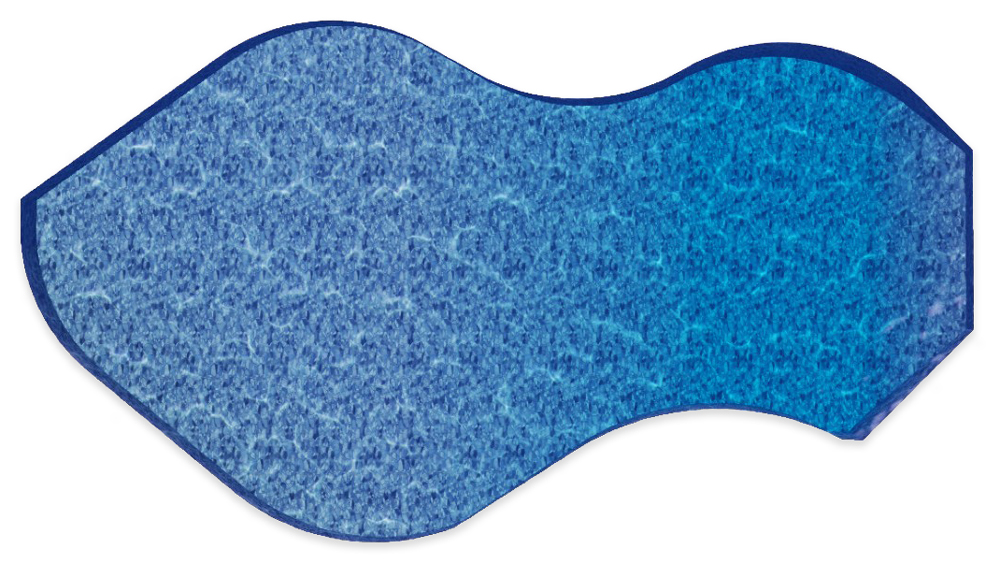
Select a shape

DIY Pool Academy by Pool Warehouse

Building, maintaining, and upgrading your pool doesn’t have to be overwhelming. Inside the DIY Pool Academy, we break down the complex processes into simple, step-by-step lessons so you can tackle any project with confidence.

Rectangle DIY Pool Build Process

Inground Pool Kits

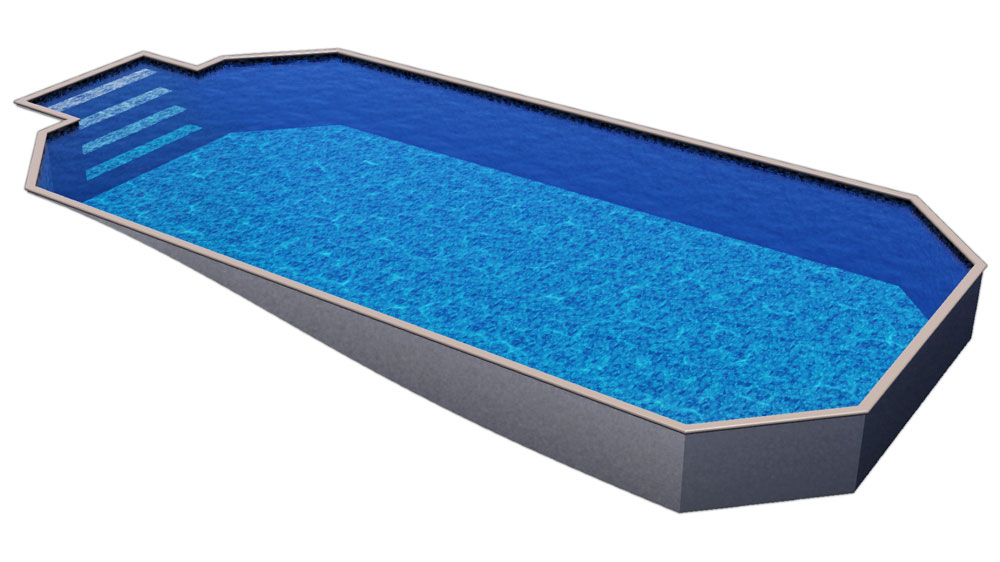
Manufactured in America, our Polymer & Steel wall do it yourself in ground pool kits are made exclusively in the USA! The polymer wall pool kits provide uniform rigidity, flatness, and strength with molded structural thermoplastic walls. The polymer pool wall panels cannot rust, corrode, or rot! Our steel panels, made of the highest-grade galvanized steel, boast an impressive G235 Zinc coating, which means intense rust prevention.

All of our inground pool kits are customizable to any design idea, so go ahead and dream a little! We also offer a large variety of standard swimming pool shapes and sizes, which is great if you’re looking for more traditional swimming pool. To discuss which type of in ground pool kit is right for you, call 1-800-515-1747.

Steel & Polymer Wall Pool Kits

One common question we are always asked is; between steel wall and polymer wall inground kit packages, which is better? As a result, we’ve provided a quick comparison between the two. This can help you decide which pool kit is best for your family. Firstly, the two different pool kit styles only have minor differences. Both our steel and polymer pool wall systems are of the highest quality standards, built for a lifetime. For the last 16 years, Pool Warehouse has exclusively sold only premium inground kits manufactured by Hydra Pools. Hydra has been manufacturing swimming pool panels and braces since 1984, which means all of our kits are 100% American made. Hydra’s quality and years of manufacturing experience, alongside Pool Warehouse’s sales and service, guarantee that you’ll get the swimming pool you’ve always dreamed of!


Steel Wall Panels

As a base material, steel walls are stronger than polymer walls, however, with that strength comes weight. Steel is much heavier, which leads to the pool wall panels being more cumbersome to move around when building your inground kit. Secondly, our panels are treated with a G-235 zinc rust preventative coating. This is the strongest galvanization process in the swimming pool industry, and as a result, it ends in the highest-rated galvanization treatment that steel can receive. Steel also offers much more flexibility in custom inground kit design features, as bent radius and custom steel pool steps are easier to make.
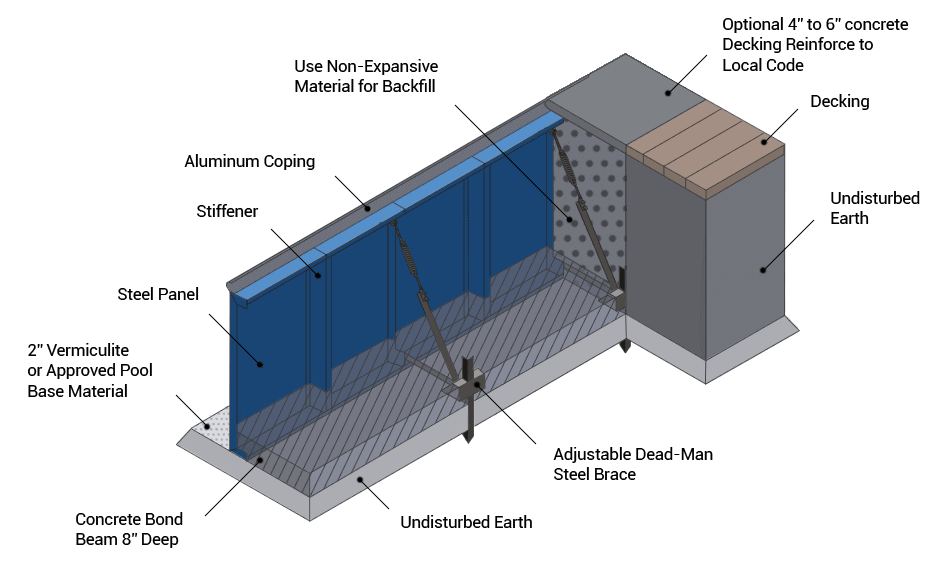
Steel Wall Inground Pool Kits
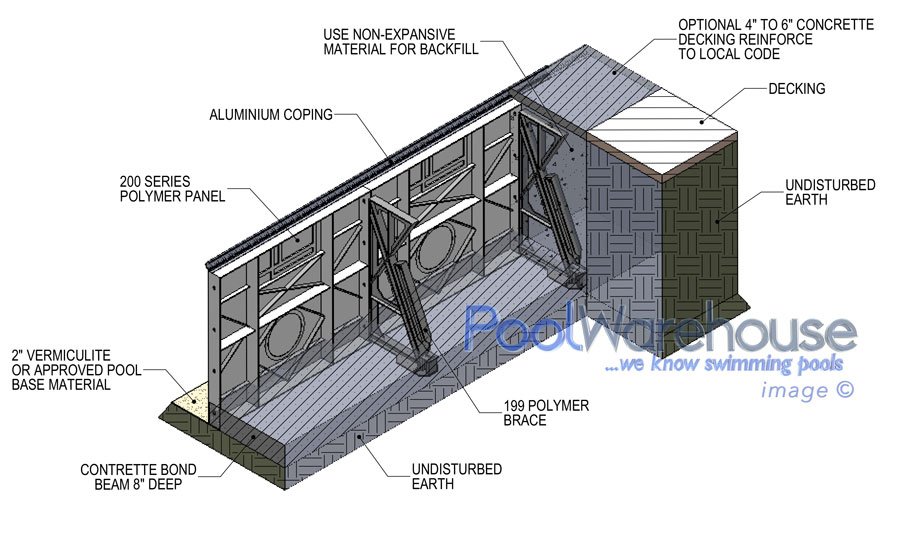
Polymer-Wall-Pool-Kit-Side-View

Polymer Wall Kits

As a base material, polymer is much lighter weight than steel and easy to handle when working alone. Secondly, Polymer pool wall panels require no galvanization process and over time offer superior corrosion resistance. These panels can’t be bent, so they can’t be used to make some tight radii. Remember never to use steel braces with a polymer wall pool kit, so your warranty isn’t voided with the manufacturer.

The Smartest Way to Build a Pool

A DIY swimming pool kit is the smartest move you can make for your backyard — a custom oasis without the massive price tag of fiberglass or gunite. Our in-ground pool kits deliver lower upfront costs and the flexibility to design a pool that fits your space, style, and budget perfectly. With modular construction and straightforward long-term maintenance, building your own pool is a realistic, rewarding, and achievable project for motivated homeowners.

Absolutely. Modern DIY pool kits are engineered specifically for handy homeowners who want to save money while building a custom backyard pool. If you can follow detailed instructions, use basic tools like drills, levels, and wrenches, and coordinate a few friends or family members for heavier lifting, installing your own in-ground pool is completely achievable.

Many homeowners choose a hybrid approach by handling most of the installation themselves while subcontracting only a few specialized tasks. Commonly outsourced trades: Excavation, digging the pool hole – Concrete work or decking – Any work where a state license is required like gas or electrical hookups to ensure safety and code compliance.

Fiberglass pools demand extremely precise excavation, crane delivery access, and exact leveling. Since the shell arrives as one giant pre-manufactured piece, there’s almost no room for error during installation. If the excavation is off by even a small amount, corrections become difficult and expensive — fast.

DIY vinyl liner pool kits are far more forgiving. Wall panels are assembled on-site, allowing for easier adjustments to match your yard’s conditions and layout. You also get the freedom to customize the shape, depth, and overall design of your pool — without being locked into factory-molded fiberglass shapes.

Vinyl in-ground pool kits are significantly more affordable than fiberglass — both upfront and throughout installation. Fiberglass pools require expensive factory manufacturing, oversized transportation, wide-load shipping permits, and heavy crane equipment just to place the pre-molded shell into the ground. Those logistics alone can add thousands of dollars to the project.

DIY pool kits are designed differently. Components ship compactly on pallets and assemble on-site panel by panel — no oversized deliveries, no crane access required. That dramatically cuts transportation, labor, and equipment costs, and makes installation possible even in backyards with tight or limited access.

Vinyl in-ground pool kits offer far greater customization than fiberglass pools. Fiberglass pools are manufactured from pre-existing factory molds, which limits homeowners to a fixed selection of shapes, sizes, depths, and layouts. While fiberglass can be convenient, you are ultimately choosing from a catalog of predetermined designs. Very similar to a prefabricated home.

Bespoke, is the best word to describe Vinyl lined in-ground pool kits. Using modular wall panels assembled on-site, homeowners have the freedom to design a pool that truly fits their backyard, lifestyle, and budget. From custom tanning ledges, to social coves and benches – this flexibility allows for nearly endless customization options that fiberglass pools simply cannot match.

A standard DIY in-ground swimming pool kit typically includes the wall panels, braces and hardware used to assemble and support the structure. Pool kits also includes a custom-fit vinyl liner, poly step, coping, skimmer, a pool pump, and filtration system to keep the water clean and circulating properly.

Depending on the package, optional upgrades like tanning ledges, LED lighting, saltwater systems, or water features may also be available.

Homeowners are generally responsible for supplying a few additional materials and services separately, including the permitting, excavation, backfill, concrete (for the collar floor and decking), PVC plumbing pipe and fittings, electrical wiring, and the water needed to fill the pool.

Most DIYers do a lot of planning before their pool kit arrives, and can complete the project in 1 to 3 weeks — especially with a couple of helpers on weekends and evenings. The exact timeline depends on weather, excavation scheduling, backyard access, and your overall DIY experience.

Many homeowners subcontract the excavation and any licensed electrical work while handling the rest themselves — keeping costs low without sacrificing quality. With good planning and cooperative weather, a DIY vinyl pool kit can go from bare yard to swim-ready in just a few short weeks.

Absolutely. Vinyl in-ground pool kits perform exceptionally well in cold weather and freeze-thaw climates when properly installed and winterized. The slight flexibility of the vinyl liner allows it to better accommodate ground movement caused by freezing temperatures, while the steel wall panels (recommended for those colder climates) provide long-term structural strength and durability.

Unlike rigid pool structures that can be more susceptible to cracking from soil expansion and contraction, vinyl pool systems are designed to handle seasonal temperature changes effectively. This makes them a popular choice in northern climates where winters are harsh and freezing conditions are common.

Proper winterization is the key to long-term performance. With routine maintenance and seasonal care, a vinyl in-ground pool can provide decades of reliable use in both warm and cold climate regions.

Vinyl liner pools are one of the easiest pool types to maintain. Weekly: test and balance water chemistry, skim floating debris, empty skimmer and pump baskets, and brush walls with a soft-bristle brush. The smooth, non-porous surface naturally resists algae growth — a major advantage over concrete.

Week to week, vinyl liner pools are just as low-maintenance as fiberglass or gunite — but they’re far easier and cheaper to repair. Fiberglass and gunite eventually crack and need professional resurfacing, which is where pool ownership gets really expensive. Vinyl liners just get replaced. Buy a new liner online, install it yourself, and the pool looks brand new — no resurfacing required.

Yes — almost all municipalities require a building permit for an inground pool, whether you DIY or hire a pro. You’ll typically need to submit a site plan showing the pool’s location and confirm the project meets local zoning, setback, and safety codes (fencing, gate latches, and barrier height are the big ones). Some areas also require electrical and plumbing permits for the pump and equipment pad. Call 811 and check with your local building department before you dig — permit costs are minor compared to the fines and forced removal that can come with an unpermitted pool.

With proper water chemistry and routine maintenance, a high-quality modern vinyl pool liner typically lasts +15 years before needing replacement. Factors like UV exposure, water balance, and sanitizer levels all play a role — well-maintained liners often hit the upper end of that range, while neglected ones may need replacing sooner. The good news: replacing a liner is a straightforward process that instantly revitalizes your pool, giving it a brand-new look without the cost of resurfacing a concrete or fiberglass shell.