












Swimming Pool Sanitation
Welcome to Pool Warehouse's Swimming Pool Sanitation category! Maintaining a clean and healthy swimming pool is crucial for the safety and enjoyment of everyone who uses it. This guide will walk you through the various methods of pool sanitation, helping you choose the best options for your pool and your needs.
From traditional chlorine to modern salt systems and UV sanitizers, we offer a wide range of products to keep your water sparkling and free from harmful bacteria and algae. Explore our selection and find everything you need to maintain a healthy and enjoyable swimming experience.
What is Swimming Pool Sanitation and Why is it Important?
Swimming pool sanitation refers to the process of disinfecting and cleaning pool water to prevent the growth of harmful bacteria, algae, and other microorganisms. Without proper sanitation, your pool water can become a breeding ground for these contaminants, leading to health risks such as skin infections, ear infections, and gastrointestinal illnesses. Furthermore, unsanitized water can become cloudy, unsightly, and unpleasant to swim in.
Regular and effective sanitation is essential for maintaining water quality, protecting the health of swimmers, and prolonging the lifespan of your pool equipment.
Types of Swimming Pool Sanitation Methods
There are several different methods of swimming pool sanitation, each with its own advantages and disadvantages. Here's an overview of the most common options:
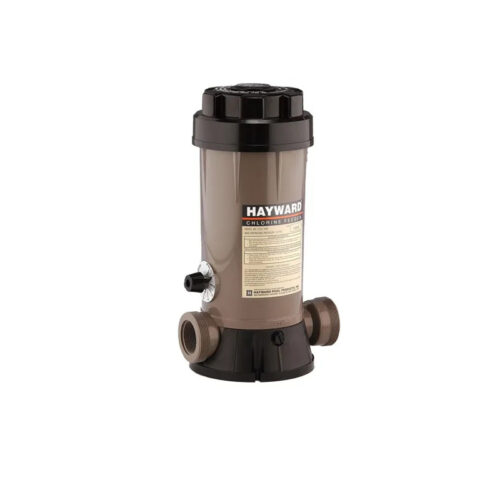
- Chlorine: Chlorine is the most widely used pool sanitizer. It's effective at killing bacteria and algae, relatively inexpensive, and easy to use. Chlorine is available in various forms, including tablets, granules, and liquid.
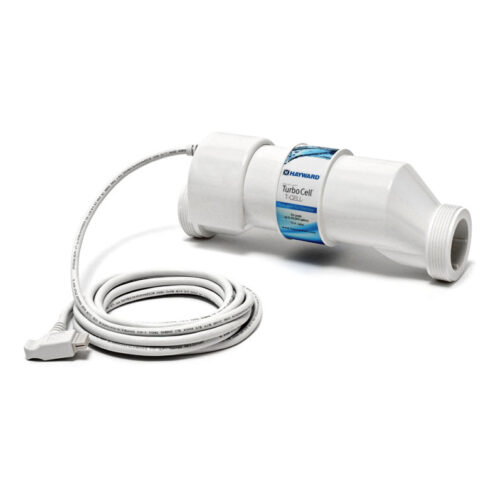
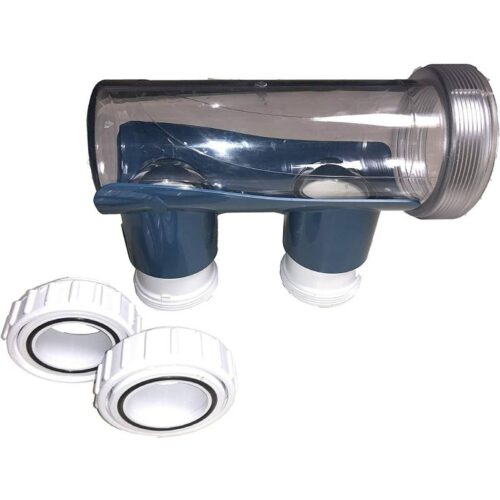
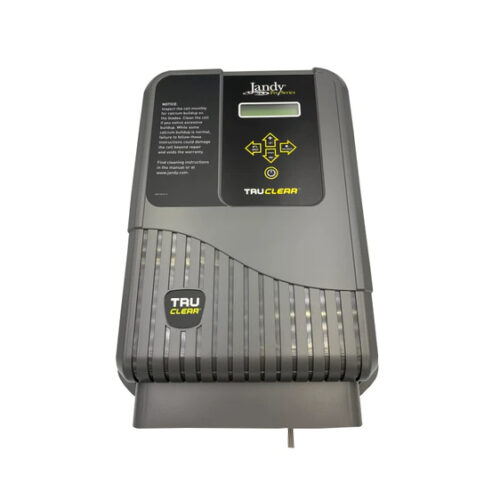
- Salt Systems (Saltwater Chlorinators): Salt systems convert salt into chlorine through electrolysis. This eliminates the need to manually add chlorine, making pool maintenance more convenient. Saltwater pools often feel softer on the skin and are less likely to cause eye irritation.
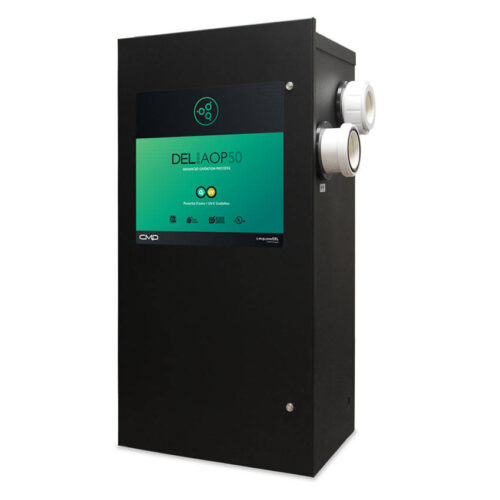
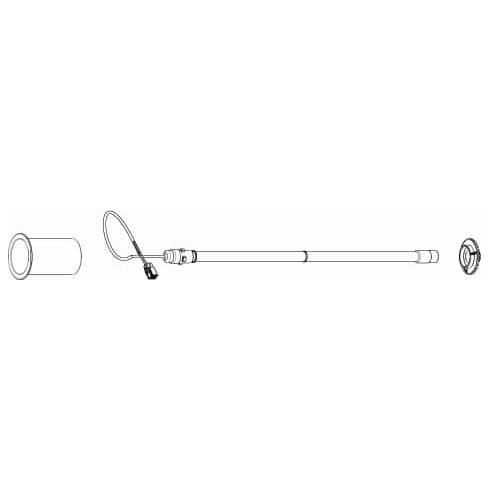
- UV Sanitizers: UV sanitizers use ultraviolet light to kill bacteria and algae. They are very effective at destroying microorganisms and can significantly reduce the amount of chlorine needed. UV systems are environmentally friendly and don't produce any harmful byproducts.
- Ozone Generators: Ozone generators produce ozone gas, which is a powerful oxidizer that destroys bacteria, algae, and other contaminants. Ozone systems are very effective at sanitizing pool water, but they can be more expensive to install and maintain.
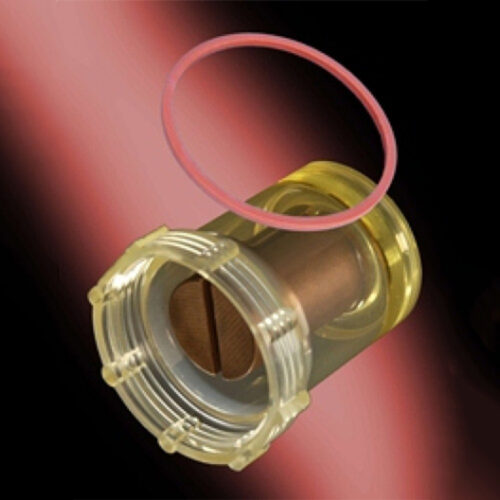
- Mineral Systems: Mineral systems use minerals like silver and copper to inhibit the growth of bacteria and algae. They work in conjunction with chlorine to reduce the amount of chlorine needed and improve water quality.
How to Choose the Right Sanitation Method for Your Pool
Selecting the best sanitation method for your pool depends on several factors, including your budget, preferences, pool size, and climate. Consider the following when making your decision:
- Cost: Chlorine is generally the most affordable option, while salt systems, UV sanitizers, and ozone generators can be more expensive upfront. However, these alternative methods may offer long-term savings by reducing chemical costs.
- Maintenance: Chlorine requires regular testing and adjustment of chemical levels. Salt systems require less maintenance, but the salt cell needs to be cleaned periodically. UV and ozone systems also require minimal maintenance.
- Water Quality: Salt systems, UV sanitizers, and ozone generators can often provide better water quality compared to chlorine, reducing the risk of skin and eye irritation.
- Pool Size: Larger pools require more sanitation power. Ensure that the system you choose is appropriately sized for your pool's volume.
- Climate: In warmer climates, algae growth is more prevalent, requiring more aggressive sanitation methods. In cooler climates, you may be able to use less chlorine or opt for a gentler sanitation system.
- Personal Preferences: Some people prefer the traditional chlorine smell, while others find it irritating. Consider your personal preferences and sensitivities when choosing a sanitation method.
Chlorine: A Detailed Look
Chlorine remains a popular and effective choice for pool sanitation. It's available in various forms, each with its own advantages:
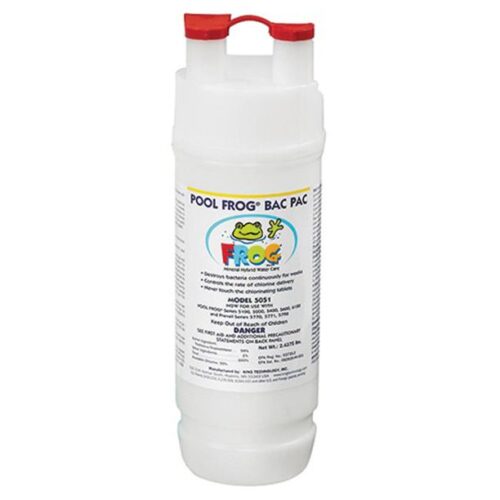
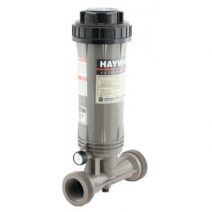
- Chlorine Tablets: Slow-dissolving tablets are convenient for continuous sanitation. They are typically placed in a chlorinator or floater. Ensure tablets are stabilized to protect them from UV degradation.
- Chlorine Granules: Granules dissolve quickly and are ideal for shocking the pool after heavy use or when algae blooms occur.
- Liquid Chlorine: Liquid chlorine is a fast-acting sanitizer that can be added directly to the pool water. It's typically less expensive than tablets or granules, but it requires more careful handling and storage.
Salt Systems: The Convenient Alternative
Salt systems offer a convenient and often more comfortable alternative to traditional chlorine. They convert salt into chlorine through electrolysis, eliminating the need to manually add chlorine. Key considerations include:
- Cell Size: Choose a salt cell that's appropriately sized for your pool volume.
- Salt Level: Maintain the recommended salt level in your pool water for optimal performance.
- Cell Cleaning: Regularly inspect and clean the salt cell to remove calcium buildup.
UV Sanitizers: Harnessing the Power of Light
UV sanitizers offer a chemical-free approach to pool sanitation. They use ultraviolet light to kill bacteria and algae. Benefits include:
- Reduced Chlorine Use: UV sanitizers can significantly reduce the amount of chlorine needed, minimizing chemical exposure.
- Improved Water Quality: UV light effectively destroys microorganisms, resulting in cleaner and clearer water.
- Environmentally Friendly: UV sanitizers don't produce any harmful byproducts.
Geo-Specific Sanitation Considerations
Your geographic location can significantly impact your pool sanitation needs. Here are some considerations for different climates:
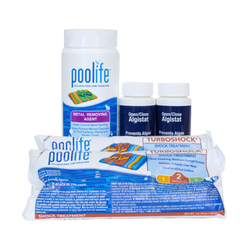
- Warm Climates: In warmer regions, algae growth is more prevalent. Consider using a more robust sanitation system, such as a salt system or UV sanitizer, in conjunction with chlorine. Regularly monitor chlorine levels and shock the pool as needed. Algaecide is also frequently used.
- Freezing Climates: In areas with freezing temperatures, it's essential to winterize your pool properly. This includes draining the pool partially, adding winterizing chemicals, and covering the pool. Freezing temperatures can damage pool equipment, so it's crucial to take the necessary precautions.
- Areas with Hard Water: Hard water contains high levels of minerals, such as calcium and magnesium. These minerals can cause scaling and buildup on pool surfaces and equipment. Consider using a water softener or adding a sequestering agent to prevent scale formation.
Material Durability Comparisons
The materials used in pool sanitation equipment can affect their durability and lifespan. Here's a comparison of common materials:
- Chlorinators: Chlorinators are often made of PVC plastic. High-quality PVC is resistant to corrosion and UV degradation.
- Salt Cells: Salt cells contain titanium plates coated with precious metals. The quality of the titanium and the coating can affect the cell's lifespan.
- UV Sanitizer Housings: UV sanitizer housings are typically made of stainless steel or UV-resistant plastic. Stainless steel is more durable and resistant to corrosion.
- Plumbing Fittings: Plumbing fittings are usually made of PVC. Choose fittings that are specifically designed for pool use and are resistant to chemicals.
Installation Tips for Sanitation Systems
Proper installation is crucial for the performance and longevity of your sanitation system. Here are some tips:
- Follow the Manufacturer's Instructions: Always follow the manufacturer's instructions for installation.
- Consult a Professional: If you're not comfortable installing the system yourself, consult a qualified pool professional.
- Proper Plumbing: Ensure that the plumbing connections are properly sealed to prevent leaks.
- Electrical Connections: Ensure that all electrical connections are made safely and according to local codes.
- Regular Inspections: Regularly inspect the system for leaks, damage, or other issues.
Browse our selection of swimming pool sanitation products and find the perfect solution for your pool at Pool Warehouse! If you have any questions, don't hesitate to contact our expert team.